Women Challenge Male-Dominated Traditions in France's Ancient Carnivals
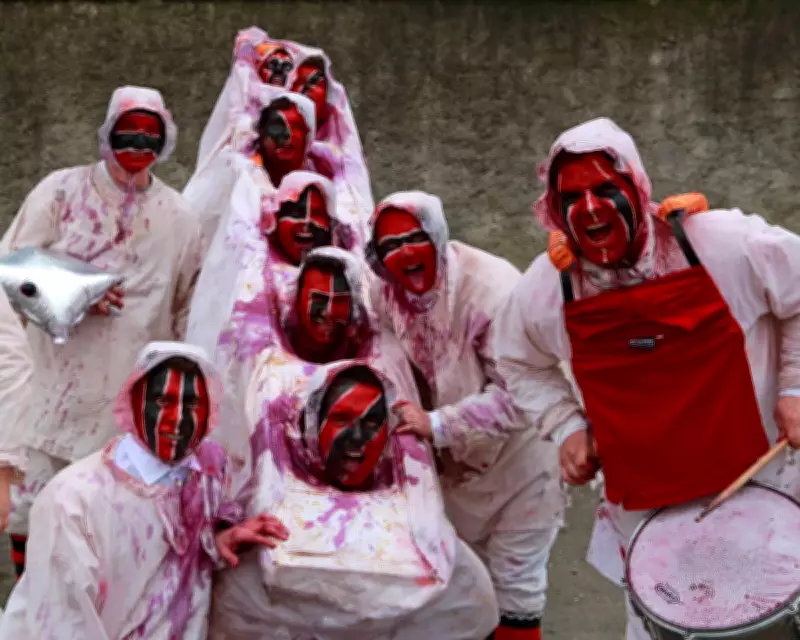
In the medieval village of Cournonterral in southern France, the Pailhasses festival unfolds each Ash Wednesday with a spectacle of violence and revelry. Men dressed as fearsome badger-men, clad in white with black badger hair masks and straw-stuffed armor, chase women through the streets, whipping them with hessian sacking soaked in violet wine lees. This 700-year-old tradition, rooted in a historical feud with a neighboring village, serves as a pre-Lent release of frustrations, but it remains an exclusively male domain for its central roles.
The Secretive World of Pailhasses
The Pailhasses carnival is notoriously secretive, banning smartphones and cameras while discouraging spectators. Originating in 1346 to resolve a wood-stealing dispute, it has evolved into a rite of passage for village youth, blending strength, chasing, and a perverse form of flirting. Women participate only as prey, known as les blancs, adorned with red ribbons, while men dominate the aggressive roles. Corinne Lamarche, an anthropologist, notes that since the 1970s, women have been allowed into the streets as blancs, a small shift from centuries of confinement to domestic roles like cooking and sewing.
Resistance to Change in Rural Communities
Despite societal progress, women face significant barriers to taking on more active parts in these carnivals. Elsa, a 26-year-old from Cournonterral, expresses frustration, suggesting that any woman attempting to wield a whip might be publicly humiliated. The conservatism extends beyond gender; only certain families are deemed legitimate "Pailhasses families," passing down rights through generations. Beatrice Barbara, from a carnival family, emphasizes the tradition's importance for village identity, especially as rural areas like Cournonterral grapple with population changes and new inhabitants who lack cultural ties.

Innovation in Other Villages
In contrast, villages in the Eastern Pyrenees demonstrate how traditions can adapt while preserving core elements. The Bear festivities, now part of Unesco's Intangible Cultural Heritage list, involve men as barbers and bears chasing participants. In Prats-de-Mollo-la-Preste, the ritual has opened up, allowing anyone to be targeted by the bear, not just young women. Lilian Grainger of the organizing committee highlights that Unesco recognition has helped shed a "savage" image and ensured the tradition's survival.
Female-Led Initiatives and Backlash
Women in these communities are increasingly pushing for inclusion. In Prats, a group of women has dressed as male protagonists for four years, creating their own "bears with glitter" version of the festival, though it remains unofficial. In response, the organizing committee introduced a new female role in 2023: the pastoretes, who educate spectators and maintain safety. Similarly, in Saint-Laurent-de-Cerdans, Sandrine Flores and friends revived the figueretes role, smearing figs and muscat wine on faces, facing opposition from both men and women who deemed it unfeminine.
The Future of Gender in Carnival Traditions
Dominique Pauvert, an ethnomythologist, argues that women could perform these roles if masked to maintain the necessary fear for collective release. However, deep-seated male chauvinism persists, with demands for women to take on star roles like the bear being flatly refused. As carnivals traditionally subvert order, the question remains whether rural communities will embrace gender inclusivity without losing what makes their festivals unique. The ongoing tension between tradition and modernity continues to shape the evolution of these ancient celebrations.