A Decade of Reflection: The Lasting Impact of #OscarsSoWhite
In today's rapidly evolving social media landscape, where hashtags come and go with dizzying speed, few have maintained the cultural resonance of #OscarsSoWhite. A full decade has passed since journalist April Reign first coined this powerful phrase in 2016, unleashing a firestorm of criticism that forced Hollywood to confront its systemic diversity problems head-on.
The Spark That Ignited a Movement
The controversy erupted after two consecutive years of exclusively white acting nominees at the Academy Awards. Despite widespread critical acclaim, films featuring predominantly Black casts and creators – including Selma, Straight Outta Compton, Beasts of No Nation, Creed, and Concussion – found themselves completely shut out of nominations.
The response from the entertainment community was immediate and forceful. Prominent Black figures like Will Smith, Jada Pinkett Smith, Spike Lee, and Whoopi Goldberg voiced their frustration publicly, while allies including George Clooney and Reese Witherspoon amplified calls for change. The movement faced some resistance, most notably from actress Charlotte Rampling, who controversially suggested that focusing on diversity constituted "racism against whites."

Institutional Response and Measured Progress
Faced with mounting pressure, the Academy of Motion Picture Arts and Sciences announced sweeping reforms in January 2016. Their ambitious goal: to double the number of women and ethnic minority members by 2020. This institutional commitment marked a significant turning point in the organization's nearly century-long history.
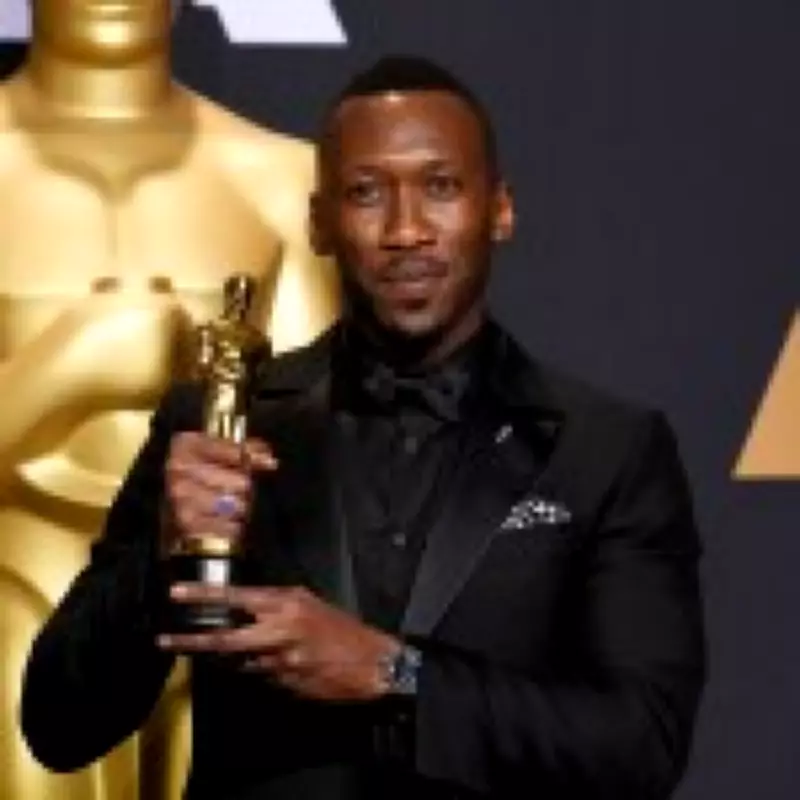
The following years witnessed tangible, if uneven, progress. The 2017 Oscars offered a glimpse of what meaningful change could look like, with Moonlight winning Best Picture and Mahershala Ali securing Best Supporting Actor. Viola Davis triumphed in the Best Supporting Actress category for Fences, and seven actors of color received nominations that year – a stark contrast to the previous year's complete exclusion.
Landmark Victories and Puzzling Oversights
Subsequent ceremonies delivered both breakthrough moments and perplexing snubs. In 2020, Bong Joon-ho's Parasite made history as the first non-English language film to win Best Picture. The following year brought victories for Daniel Kaluuya (Judas and the Black Messiah) and Regina King (If Beale Street Could Talk). Will Smith's controversial Best Actor win for King Richard in 2022 further highlighted the complex relationship between recognition and representation.
Yet significant oversights persisted. Denzel Washington's acclaimed performance in Gladiator II failed to secure a nomination, while Viola Davis was surprisingly overlooked for The Woman King in 2022. More recent films like The Piano Lesson (2024) and Hard Truths (2025) also missed expected nominations despite strong critical reception.
The Current Landscape and Future Challenges
This year's Oscars spotlight Sinners, Ryan Coogler's horror film that has garnered a record-breaking 16 nominations. Michael B. Jordan stands as the favorite for Best Actor, while Coogler, Delroy Lindo, and Wunmi Mosaku all contend for major awards. This represents undeniable progress from a decade ago, yet questions remain about whether such success reflects systemic change or temporary correction.
Research from the Annenberg Inclusion Initiative reveals measurable improvement: while only 8% of Oscar nominees were people of color in the eight years preceding #OscarsSoWhite, that figure had risen to 17% by 2023. The Academy's Board of Governors now includes more women than men, signaling structural shifts within the organization.
However, as Whoopi Goldberg noted during the initial controversy, meaningful change requires sustained attention beyond the annual awards season frenzy. The Academy's diversity initiatives represent important steps forward, but the journey toward genuine equity in Hollywood remains ongoing. As the entertainment industry prepares for another Oscars ceremony, all eyes will be watching to see whether this year's nominations reflect lasting transformation or merely temporary progress in the long struggle for representation.