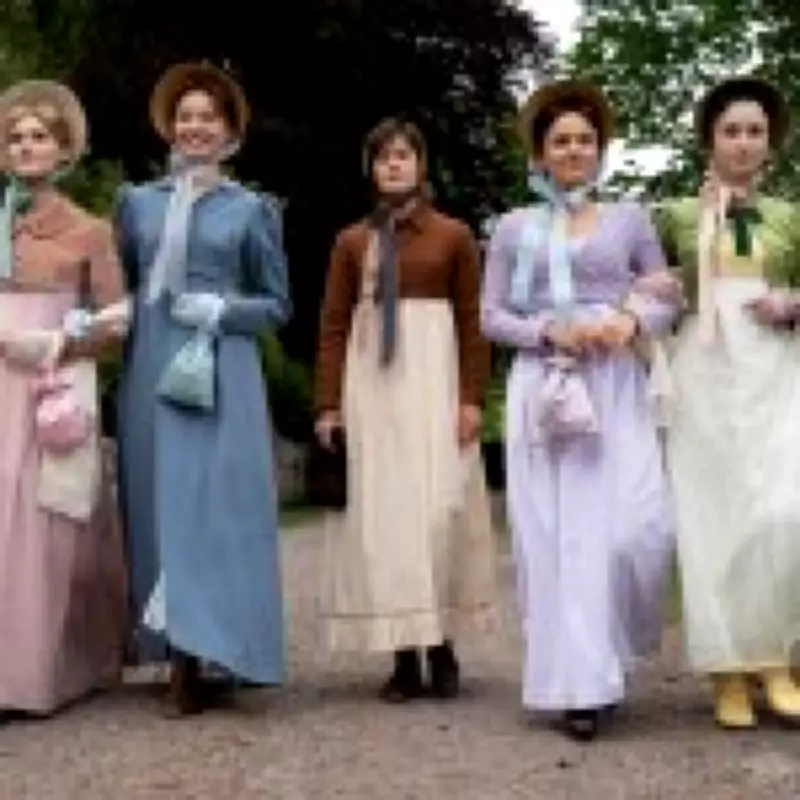
BBC's Bold New Take on Pride and Prejudice Speaks to Single Women in Their Prime
In a daring move that redefines classic literature for contemporary audiences, the BBC has launched The Other Bennet Sister, a radical reinterpretation of Jane Austen's beloved 1813 novel Pride and Prejudice. This ten-episode series, based on Janice Hadlow's 2020 novel, shifts focus from the famous Bennet sisters to their overlooked sibling Mary, creating what many are calling the definitive adaptation for single women navigating their thirties and beyond.
A Fresh Perspective on Familiar Territory
The series represents the latest in a long line of innovative Austen adaptations that have captivated audiences for decades. From John Green's groundbreaking 2012 web series The Lizzie Bennet Diaries to the cult favorite Pride and Prejudice and Zombies featuring Matt Smith as a delightfully awkward Mr. Collins, creators have consistently found new ways to breathe life into Austen's timeless characters. The BBC's latest offering continues this tradition while carving its own distinctive path.
Ella Bruccoleri, best known for her role in Call the Midwife, delivers a star-making performance as Mary Bennet, transforming what was traditionally a background character into a compelling protagonist. In Austen's original work and most adaptations, Mary serves primarily as comic relief—the socially awkward sister whose piano performances inspire more cringes than applause. The Other Bennet Sister completely reimagines this dynamic, giving Mary agency, depth, and a story worthy of her character.

Breaking from Tradition with Purpose
The series begins with a brisk two-episode recap of the original Pride and Prejudice narrative before embarking on entirely new territory. Once her sisters have secured their romantic futures, Mary finds herself facing the prospect of lifelong spinsterhood—a situation that resonates powerfully with modern viewers who find themselves as the last single friends in their social circles.
What makes this adaptation particularly compelling is its nuanced exploration of singlehood. The show masterfully balances the existential dread of potential loneliness with empowering moments of self-discovery and independence. Bruccoleri's delicate portrayal of Mary contrasts beautifully with Ruth Jones' scene-stealing performance as the overbearing Mrs. Bennet, creating a dynamic that is both hilarious and heartbreaking.
Creative Liberties and Narrative Risks
Purists should be warned: this adaptation takes significant creative liberties with Austen's established world. The ensemble cast, while talented, often falls into archetypal roles to maintain Mary's position as the sympathetic lead. Some moments feel overly didactic, as if the creators don't trust the audience to interpret emotional beats without explicit guidance.
Yet these minor flaws don't detract from the series' overall achievement. By using Pride and Prejudice as a springboard rather than a strict blueprint, The Other Bennet Sister creates something genuinely new—a period drama that prioritizes self-love over romantic love, a refreshing departure from traditional genre conventions.
A Binge-Worthy Addition to the Austen Canon
Despite occasional missteps into excessive pathos, the series succeeds in creating an Austen heroine viewers will genuinely champion. There's a particular magic in watching Mary transition from family afterthought to center stage—a transformation that feels both earned and emotionally satisfying.
The show's half-hour episodes make it dangerously bingeable, with the first five available immediately on iPlayer and subsequent episodes airing in weekly double bills. While it may stray far from Austen's original text, The Other Bennet Sister ultimately establishes its own identity as a sweet, compelling narrative about finding worth outside societal expectations.
As one critic noted, the moment of conversion sneaks up on you—much like the best romantic developments in Austen's own work. You find yourself invested in Mary's journey before you even realize it has begun, proving that even after two centuries, Jane Austen's world continues to offer new stories worth telling.