Berlin Film Festival Issues Strong Defense of Wim Wenders Following Political Controversy
The Berlin International Film Festival has released a comprehensive statement defending its film-makers and jury members following what festival organizers described as a "media storm" that has engulfed the prestigious event during its opening days. The statement comes in direct response to mounting criticism directed at festival jury president Wim Wenders and other participants for their comments regarding the intersection of art and political engagement.
Controversial Comments Spark Immediate Backlash
During the festival's opening press conference, German film-maker Wim Wenders faced questions about whether cinema can effect political change. The acclaimed director responded that "movies can change the world" but emphasized that this transformation occurs "not in a political way." Wenders further elaborated that film-makers "have to stay out of politics," a statement that would ignite immediate controversy.
Polish producer Ewa Puszczyńska, also serving on the festival jury, addressed questions about Germany's support for Israel by describing the line of questioning as "complicated" and "a bit unfair." She clarified that festival participants "cannot be responsible for what their decision would be to support Israel or the decision to support Palestine."

Arundhati Roy's Stinging Withdrawal
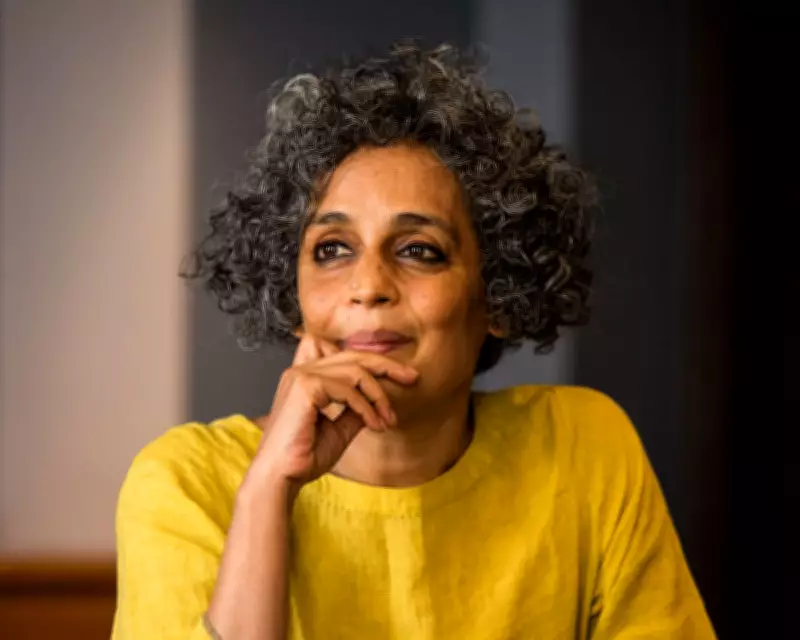
The comments prompted celebrated Indian author Arundhati Roy to withdraw from the Berlin Film Festival on Friday. In a powerful statement, Roy characterized the remarks as "unconscionable" and expressed concern that they had reached millions of people worldwide.
"To hear them say that art should not be political is jaw-dropping," Roy declared. "It is a way of shutting down a conversation about a crime against humanity even as it unfolds before us in real time – when artists, writers and film-makers should be doing everything in their power to stop it."
Festival Leadership Responds to Growing Controversy
Late Saturday, festival head Tricia Tuttle addressed the increasing frequency with which actors and film-makers have been asked to comment on political and societal issues during press conferences. In her communication titled On Speaking, Cinema and Politics, Tuttle asserted that "artists are free to exercise their right of free speech in whatever way they choose."
"Artists should not be expected to comment on all broader debates about a festival's previous or current practices over which they have no control," Tuttle stated. "Nor should they be expected to speak on every political issue raised to them unless they want to."
A festival spokesperson elaborated further, noting that "some of what is currently circulating takes remarks from press conferences detached not only out of context of the full conversations but also from the lifetime of work and values these artists represent."
Political Questions Dominate Festival Discourse
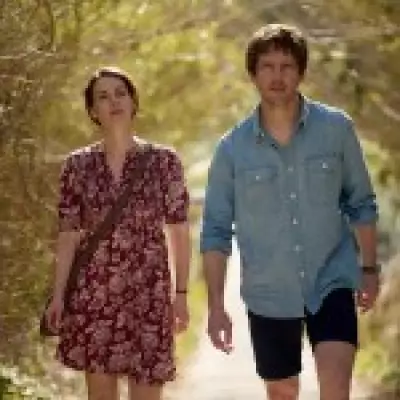
Politically oriented questions have dominated headlines and social media discussions surrounding the Berlinale. British singer Charli xcx, speaking at a press conference for Aidan Zamiri's film The Moment, praised the festival for "not shying away from political films."
Other high-profile festival guests have faced similar political questioning, often with limited connection to the films they were promoting. These include:
- US actor Neil Patrick Harris, who was asked whether cinema could effectively combat fascism
- British star Rupert Grint, who also received questions about fascism
- Malaysian actor Michelle Yeoh, who was asked for her thoughts on the current political state of the United States
Defending Artistic Expression in a Complex Media Landscape
Tuttle emphasized that there are "many different kinds of art, and many different ways of being political." She expressed concern that film-makers were being criticized "if they cannot compress complex thoughts into a brief soundbite when a microphone is placed in front of them when they thought they were speaking about something else."

The festival director further noted the challenging media environment, stating that "in a media environment dominated by crisis, there is less oxygen left for serious conversation about film or culture at all, unless it can be folded as well into a news agenda."
The Berlin International Film Festival continues through its scheduled run, but the controversy has sparked broader conversations about the responsibilities of artists, the expectations placed upon cultural figures during international crises, and the complex relationship between artistic expression and political engagement in contemporary society.