Bridgerton Season 5 Faces Ridiculous Backlash Over Francesca's Lead Role
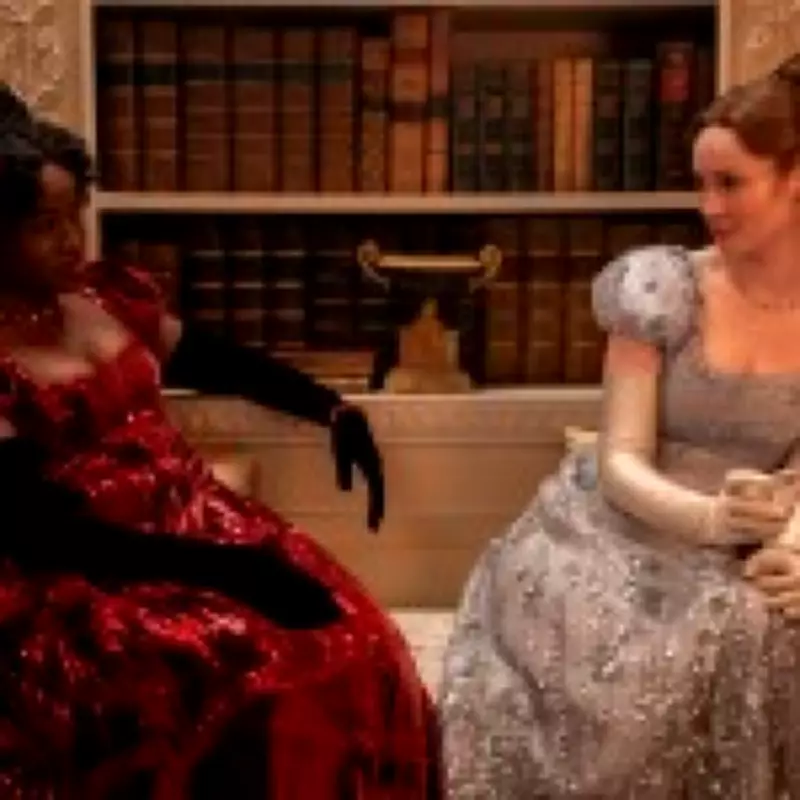
The announcement that Francesca Bridgerton, portrayed by Hannah Dodd, and Michaela Stirling, played by Masali Baduza, will lead Bridgerton season five has ignited a firestorm of controversy among fans. While many celebrated this bold casting choice, a vocal segment of the so-called fandom has erupted in outrage, primarily divided into two camps: those devastated by Eloise's story being delayed and homophobic viewers threatening to boycott the series over its inclusion of a sapphic romance.
Eloise's Delayed Romance Sparks Misplaced Anguish
A significant portion of the backlash centers on Claudia Jessie's character, Eloise, who has skillfully avoided the marriage market since the show's inception. Fans express heartbreak over her love story being pushed to a future season, but this anguish may be misguided. Francesca's narrative arc, including her marriage to John, introduction to Michaela, and John's tragic death, has already been meticulously developed across two seasons. The seeds for her romance with Michaela are firmly planted, making a delay unnecessary and narratively unsound.
Some argue Francesca needs more time to grieve, but with a confirmed two-year time skip, additional episodes of mourning would lack purpose. Eloise, on the other hand, deserves the same careful buildup that Francesca received, allowing her character to evolve beyond her repetitive defiance of maternal expectations. This timeline adjustment mirrors past changes, such as swapping Colin and Benedict's stories, which ultimately enriched character development and resolved romantic tensions effectively.

Homophobic Reactions Undermine Inclusivity Efforts
More troubling is the homophobic backlash targeting the Franchaela romance. Since Michaela's introduction in season three, a segment of fans has expressed disproportionate outrage, often tinged with misogynoir. Comments lamenting deviations from period "tradition" or opposing LGBTQ+ representation highlight deep-seated bigotry. This contrasts sharply with the positive reception of previous LGBTQ+ storylines, such as Benedict's bisexuality or Brimsley and Reynolds' romance in Queen Charlotte, making the current furore particularly disheartening.
Critics also claim Francesca's female love interest undermines her infertility plotline from the books, but this complaint is disingenuous. The struggle has already been addressed, and same-sex couples face similar challenges, especially in the 1800s setting without modern medical advancements. This offers a nuanced exploration of family-building obstacles, providing groundbreaking representation for queer women rarely seen in mainstream media.
Showrunner Defends Love and Inclusivity
Bridgerton showrunner Jess Brownell anticipated this backlash and issued a firm statement condemning homophobia and racism. She emphasized that the Bridgerton world champions love and inclusivity, urging positivity for the cast and crew. While period dramas like Ammonite have featured sapphic relationships, Bridgerton's mainstream reach brings these stories to broader audiences, normalizing LGBTQ+ representation in unprecedented ways.
In an era where queer content faces cancellations and rollbacks, such as BBC axing dating shows or Netflix dropping sapphic series, Francesca and Michaela's romance is a precious opportunity. It promises to inspire a generation of young queer women, offering visibility that resonates deeply. Fans should embrace this chance for progress rather than succumb to unfounded criticism.
Conclusion: A Call for Open-Mindedness
The backlash against Bridgerton season five is not only ridiculous but counterproductive. Francesca's lead role, coupled with her sapphic romance, enriches the narrative and advances representation. Eloise's story will benefit from delayed development, ensuring a more impactful reveal. As viewers, we must set aside righteous fury and support this inclusive direction, recognizing its potential to foster empathy and diversity on screen.