Carnivàle Revisited: Is This HBO's Most Enigmatic Cult Classic?
Premiering on HBO in 2003 and abruptly cancelled after just two seasons, Carnivàle remains one of television's most peculiar and haunting curiosities. Initially, its small yet fervent fanbase protested the cancellation with an outpouring of over 50,000 emails, but as television has evolved and mystery-box narratives have fallen out of favor, the series now occupies a unique niche in HBO's expansive archive. So what exactly is this strange show about, and why does it continue to captivate audiences decades later?
A Mythic Journey Through the American Dust Bowl
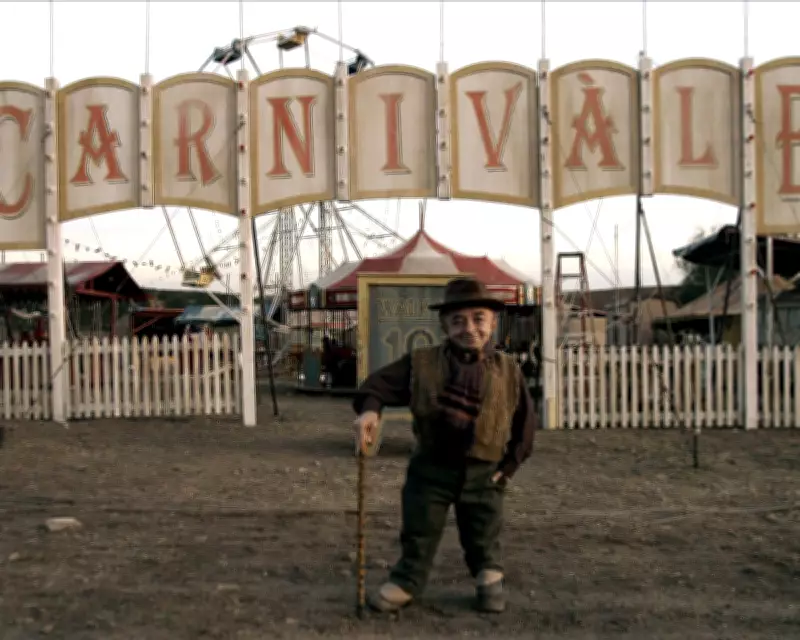
Carnivàle chronicles the adventures of a traveling carnival troupe navigating the harsh landscapes of the 1930s American Dust Bowl. Early in the series, the nomadic performers encounter Ben Hawkins, portrayed by Nick Stahl, an ex-convict with a shadowy past and unexplained supernatural abilities. Parallel to this narrative unfolds the story of Brother Justin Crowe, played by Clancy Brown, a preacher tormented by apocalyptic visions that convince him he is a divine messenger with a sacred mission.
For much of the series, these two storylines remain physically separate, intersecting only within the surreal realm of shared dreams between Hawkins and Crowe. This structural choice amplifies the show's core theme: an existential, mythic struggle between good and evil that simmers beneath its surface. The narrative scope echoes the expansive, pulpy style of early Stephen King novels, while its dreamlike quality and eerie lore draw direct comparisons to David Lynch's Twin Peaks. Viewers are left anticipating the inevitable, cosmic collision of Hawkins' and Crowe's worlds.

The Ensemble Heart and Hypnotic Visuals
What sets Carnivàle apart is how it marries its supernatural tone with a deeply human ensemble drama. Screenwriter Ronald D. Moore, who later created Battlestar Galactica, shaped much of the first season, infusing it with a slow-burn focus on character development and human frailty. The show revels in the rich textures of carnival life and the intimate dramas of its troupe, creating a grounded foundation for its fantastical elements.
The production's visual artistry is equally noteworthy. Directed by veterans of The Sopranos and Six Feet Under—such as Jeremy Podeswa, Jack Bender, and John Patterson—who later worked on series like Lost and Game of Thrones, with an episode helmed by Todd Field of Tár fame, Carnivàle boasts a consistently hypnotic and Lynchian aesthetic. Bizarre dialogues with "Management," an unseen, omniscient voice from behind a curtain, and haunting dream sequences—featuring imagery of war, blood-soaked preachers, and nuclear blasts—elevate the show into a cinematic experience.
A Singular Legacy in Television History
Rediscovering Carnivàle today reaffirms its status as a cult masterpiece. Its eccentric cast of characters, dense theological mysteries, and refined visual style coalesce into a truly singular viewing experience. However, a word of caution: its premature cancellation may leave you yearning for more of its enigmatic world. For those intrigued, Carnivàle is available for streaming on HBO Max in Australia and the United States, and on Now in the United Kingdom.