The Rise and Fall of Timothée Chalamet's Oscars Campaign
Timothée Chalamet's ambitious campaign for Academy Award recognition has ended in disappointment, with both the actor and his film Marty Supreme being completely shut out at the 98th Oscars ceremony. Despite an exhaustive promotional tour that spanned continents and media platforms, the 30-year-old actor failed to convert his Golden Globe win into Oscar gold, leaving industry observers questioning what went wrong with one of the year's most visible campaigns.
A Campaign of Epic Proportions
Chalamet's promotional efforts began with what appeared to be a leaked Zoom call comedy skit, where the actor pitched increasingly absurd marketing ideas for Marty Supreme to nervous executives. The fictional proposals included breakfast cereal tie-ins, blimps, and even painting the Eiffel Tower the same violent orange as the ping-pong balls featured in the film. While seemingly preposterous at the time, the skit proved surprisingly predictive of the actual campaign that followed.
The actor embarked on a media blitz of unprecedented scale, appearing across every conceivable platform from Instagram to traditional network television. His tour reached audiences in multiple countries and targeted diverse demographics including sports enthusiasts, theater professionals, and fans of obscure talent show winners. This strategy initially proved remarkably successful, transforming a 1950s-set indie caper into studio A24's highest-grossing film ever while accumulating numerous awards for its star.

The Turning Point
By January, when Chalamet won the Golden Globe for best actor in a musical or comedy, bookmakers had established him as the heavy favorite for the Oscar. However, the critical period between the Globes and the Academy Awards often determines whether consensus solidifies or crumbles. In Chalamet's case, the latter occurred with dramatic effect.
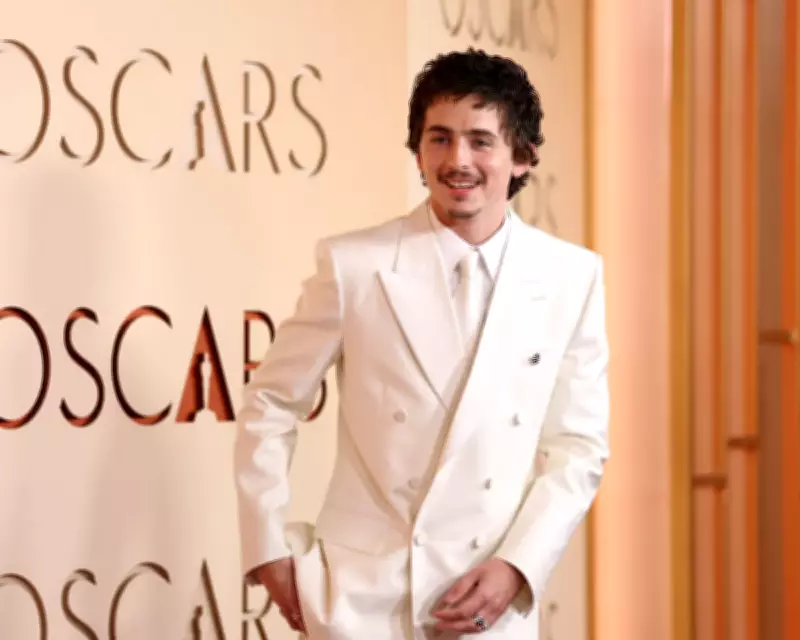
Industry insiders point to several factors that may have contributed to the campaign's collapse. Some suggest the promotional tour simply lasted too long, with Chalamet's constant visibility beginning to work against him. His numerous red carpet appearances alongside girlfriend Kylie Jenner, combined with chat show interviews, podcast appearances, and music video cameos, created what some voters perceived as overexposure.
There was a growing sensation among Academy members that the actor resembled his smirking, fame-hungry character from Marty Supreme more closely than initially imagined. This perception was reportedly exacerbated by Chalamet's previous "pursuit of greatness" speech at the Actor awards, where he expressed ambitions to be remembered alongside legendary sports figures like Michael Jordan and Michael Phelps as well as acting icons.
Academy Resistance and Future Prospects
Industry analysts suggest another possible explanation for Chalamet's Oscar snub: the Academy's historical reluctance to reward young stars too early in their careers. The Oscars frequently recognize bodies of work rather than individual performances, requiring actors to wait their turn for recognition. While Chalamet has built an impressive filmography over seven to eight years, his roles have predominantly featured callow, over-confident young men with much to learn about the world.
Some voters may be waiting to see how Chalamet evolves as an actor before bestowing the industry's highest honor. Despite this setback, those familiar with the actor's determined personality doubt he will abandon his quest for Oscar recognition. Marketing teams should likely prepare for another ambitious campaign next awards season, complete with creative Zoom calls and substantial budgets for unconventional promotional strategies.
The 98th Academy Awards have delivered a clear message to one of Hollywood's most visible young talents: sometimes, even the most exhaustive campaign cannot guarantee Oscar success when voter perceptions shift against a candidate.