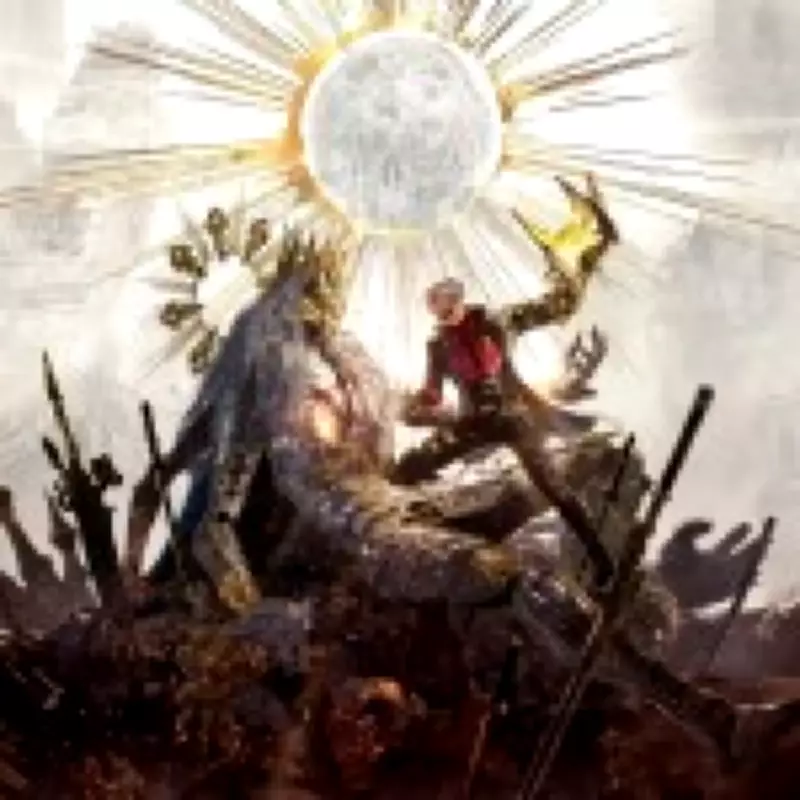
Code Vein 2 Review: The Soulslike Sequel That Misses the Mark
Seven years after the original game's release, Bandai Namco has unexpectedly unveiled Code Vein 2, a follow-up that attempts to blend familiar Soulslike mechanics with time-travelling vampire mythology. This surprise sequel emerges during a period when the Soulslike genre has become firmly established within gaming culture, yet this latest entry struggles to justify its existence.
A Sequel in Name Only
Despite being marketed as a sequel, Code Vein 2 bears little connection to its predecessor. The game transports players to an entirely different fictional universe with no returning characters, suggesting Bandai Namco aimed to create an accessible entry point for newcomers. The narrative revolves around vampire-like beings navigating a magical post-apocalyptic landscape, but the storytelling proves significantly weaker than the already cumbersome approach of the original.
The time travel premise, which involves preventing an apocalypse by journeying through different eras, shows initial promise but quickly collapses under the weight of impenetrable plotting, uninteresting characters, and dull cutscenes. Most disappointingly, the two time periods feel virtually identical in both visual presentation and gameplay mechanics, squandering the creative potential of the central concept.

Visual Downgrade and Technical Shortcomings
Where the original Code Vein distinguished itself with bold cel-shaded anime aesthetics, the sequel presents a noticeably blander visual style. While maintaining some anime inspiration, the graphics have lost their distinctive cartoonish edge, resulting in a generic appearance that fails to impress even on technical levels.
Surprisingly, this PlayStation 5 title looks less polished than its PlayStation 4 predecessor, suffering from frequent pop-up issues, occasional slowdown, and generally unattractive environments. The overall visual presentation feels like a step backward rather than an evolution of the franchise's unique artistic identity.
Gameplay Mechanics: Solid Foundations with Repetitive Execution
The combat system represents the game's strongest element, featuring diverse weapon options and special attacks powered by ichor drained from enemies through jail strikes. This mechanic encourages aggressive playstyles by becoming more effective as opponents sustain damage. Additionally, players receive constant support from AI companions who can revive fallen characters, though they temporarily disappear after performing this function.
This companion system, reminiscent of Spirit Ashes in Elden Ring, adds strategic depth despite primarily serving as distractions during combat. However, these positive elements are undermined by excessive repetition throughout the experience. Players frequently encounter identical enemies, including bosses who reappear with disappointing regularity, diminishing the sense of discovery that defines successful Soulslikes.
Structural Issues and Design Shortcomings
Code Vein 2 adopts a more open-world structure than its predecessor, allowing exploration via motorcycle across moderately interesting landscapes. Unfortunately, this expanded scope fails to compensate for repetitive dungeon design and uninspired level architecture that mirrors the enemy repetition problem.
The camera system frequently becomes confused during intense combat sequences, while the overall experience feels like a collection of promising ideas sandwiched between overfamiliar or poorly implemented elements. Given that the Soulslike genre has evolved significantly since Dark Souls' 2011 debut, this sequel feels particularly outdated in both design philosophy and execution.
Conclusion: A Puzzling Release That Questions Genre Longevity
Code Vein 2 presents itself as a curious anomaly within the gaming landscape. Rather than building upon the original's foundations, it delivers a noticeably inferior experience across storytelling, visual design, and gameplay variety. The game's modest budget becomes apparent throughout, raising questions about why Bandai Namco chose to release this particular sequel after such an extended hiatus.

With the Soulslike genre experiencing decreased output recently, Code Vein 2 inadvertently prompts reflection about whether this particular gaming formula has exhausted its creative potential. While the combat mechanics and companion system demonstrate thoughtful design, they cannot compensate for the overwhelming repetition, technical shortcomings, and narrative confusion that define this disappointing follow-up.
For players seeking engaging Soulslike experiences, this sequel offers little beyond solid combat fundamentals buried beneath layers of generic design and execution. The original Code Vein, despite its own flaws, remains the superior experience in nearly every meaningful aspect.