The Unlikely Global Rise of Coronation Street's Swarla
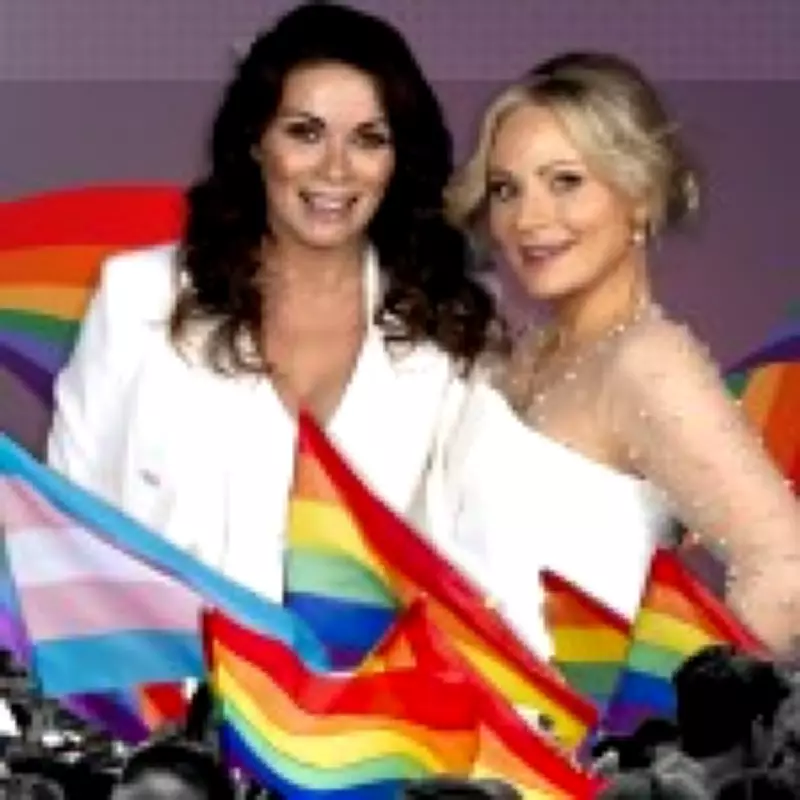
For more than a year, alarms have been ringing across time zones from New York to Mexico City to Gothenburg as viewers huddle over devices in darkness, watching two women on Britain's Coronation Street share brief screen moments that ignite passionate online discourse. The pairing of Carla Connor and Lisa Swain – affectionately dubbed 'Swarla' by fans – has transcended traditional soap opera boundaries to become a worldwide phenomenon.
From Manchester to the World: A Digital Revolution
What makes this cultural moment extraordinary isn't merely its intensity but its unprecedented scale. Unlike conventional soap fandom confined to domestic viewing, Swarla's popularity emerged in late 2024 through fan-created content that spilled across digital platforms. Supercuts and edits first trickled then flooded through X, Tumblr, TikTok and Instagram, leveraging social media's alchemical power to transform niche interest into global conversation.
By April 2026, select Swarla clips had surpassed one million YouTube views, with hundreds of millions more across TikTok and over 2,000 stories on fanfiction platform AO3. This digital ecosystem, predominantly engaging 18-34 year-olds according to University of Central Florida research, represents a seismic shift in how traditional media finds new audiences.

The Soap Opera Paradox in Streaming Culture
Soap operas traditionally function as habitual, localized viewing experiences – programs audiences fall into rather than actively seek. Their gradual narrative pacing contrasts sharply with the high-gloss, rapid-fire streaming content dominating younger viewers' media diets. Yet Swarla's appeal demonstrates how these very differences have become strengths in an oversaturated television landscape.
Professor Christine Geraghty of Glasgow University explains: "Soaps force you to wait. Unlike binge-driven series, they unfold gradually, allowing relationships to build through small, seemingly inconsequential moments over time." This deliberate pacing creates anticipation that digital communities amplify, transforming brief glances or touches into meaningful moments endlessly replayed as GIFs.
Authenticity in an Age of Excess
The Swarla phenomenon reflects several converging cultural forces: television's saturation with inaccessible stories of extreme wealth, shortened seasons leaving little room for slow-building interpersonal drama, and crucially, an authentic romance between two women in midlife that centers their relationship rather than their queerness.
As Atlantic writer Sophie Gilbert noted in her essay 'Money Is Ruining Television,' the dominance of extreme wealth on screen has become tedious for many viewers. Coronation Street offers a recognizable world steadily disappearing from American television since the mid-2000s – one where characters discuss making ends meet over lagers rather than boardroom brinkmanship.
Queer Representation Beyond Coming-Out Narratives
The pairing brings together established character Carla Connor, played by Alison King for over two decades, with Lisa Swain, portrayed by Vicky Myers. Their relationship development initially raised eyebrows among some viewers questioning how Carla could "turn gay" after five marriages to men.
Yet Swarla distinguishes itself through what it doesn't focus on: traditional coming-out narratives. Professor Elke Weissmann of Edge Hill University observes: "Queer storytelling tends to be about the big coming out, its complications, and it's always in that kind of a silo." By lifting this narrative burden, Coronation Street allows the relationship to unfold as a study of intimacy rather than identity.
Some fans view this approach as a missed opportunity for deeper exploration of Carla's journey after lifetime heteronormativity. Others see it as precisely the point – allowing the women to flirt, fight, co-parent, and plan weddings in a version of Weatherfield that feels almost post-identity.

The Chemistry That Transcends Format
Amanda, a 30-year-old Swedish fan who discovered the pairing through online clips, now watches Coronation Street and Emmerdale as evening rituals with her wife and baby. "The chemistry between Alison and Vicky is the core of their popularity," she notes. "They've had chemistry since the start, but it's almost like you can touch it now."
In a format allowing little room for heavy exposition, this chemistry becomes the primary vehicle through which the relationship is understood – less embellishment than infrastructure. The actresses shoulder the relationship with uncanny veracity, fusing intimate affection with simmering heat that transforms even mundane scenes into romantic moments.
A New Chapter in Soap Opera History
The Swarla phenomenon represents more than just another popular soap pairing. It demonstrates how digital communities can resurrect and recontextualize traditional media for new generations, how authentic representation resonates across demographics, and how the soap opera format's unique strengths – gradual storytelling, character depth, everyday settings – provide refreshing alternatives in an era of streaming saturation.
As fans worldwide continue to dissect every glance and conversation between Carla and Lisa, they're participating in something larger: the evolution of how we consume, discuss, and find meaning in television narratives. The cobbles of Weatherfield have become unexpectedly global territory, proving that sometimes the most revolutionary stories aren't about changing the world, but about representing it as it actually exists for millions of viewers.