The Straight Story: David Lynch's Uncharacteristically Gentle Masterpiece
David Lynch's 1999 film The Straight Story stands as a fascinating and deeply moving outlier in the director's celebrated career. This gentle narrative, told with remarkable directness, deliberately eschews the exotic kinks and unsettling asymmetries that had become Lynch's trademark. The film represents a significant departure from his habitual stylistic approach, offering instead a straightforward yet profoundly empathetic portrayal of human connection.
A True Story of Determination and Reconciliation
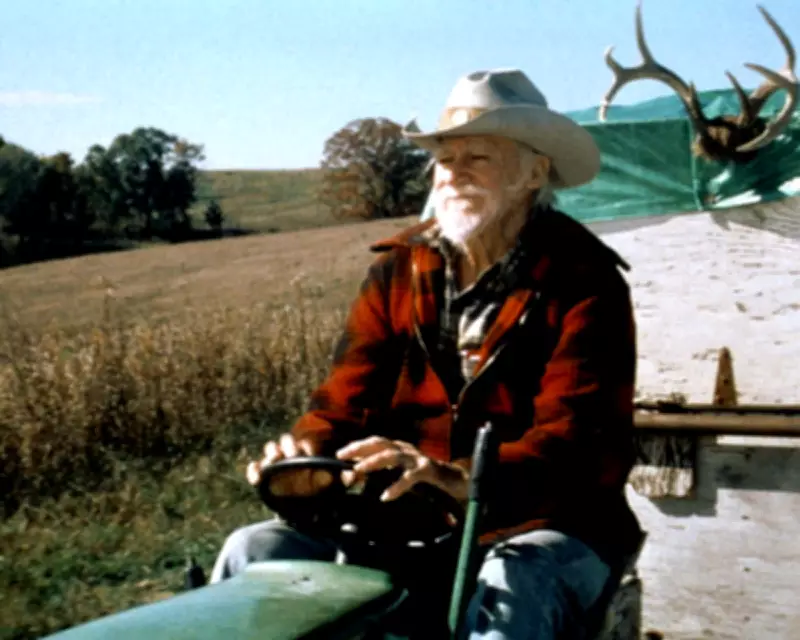
Screenwriters John Roach and Mary Sweeney, the latter being Lynch's longtime collaborator and former wife, adapted the remarkable true story of Alvin Straight. In his seventies and facing significant health challenges, Alvin embarked on an extraordinary journey, traveling more than 200 miles from Iowa to Wisconsin aboard a John Deere riding mower. His mission: to visit his ailing elder brother, portrayed by Harry Dean Stanton in a memorable cameo appearance.
Richard Farnsworth delivers a career-defining performance as Alvin Straight, bringing dignity and quiet determination to the role. Sissy Spacek appears as his fictionalized daughter Rose, adding emotional depth to the narrative. The film presents familiar midwestern imagery—picket fences, open roads, small-town decency—but without the roiling surrealism and subterranean weirdness that typically characterize Lynch's exploration of these settings.

A Departure from Lynchian Expectations
Where Lynch typically presents stolid all-American ordinariness as merely the surface layer of a larger dream-state or nightmare-state, The Straight Story allows the story of regular people to stand complete in itself. This is normality all the way through, without hidden psychological depths or supernatural undercurrents. As one concerned bystander asks Alvin if he isn't worried about dangerous people during his solo journey, the film's response is clear: "There's a lot of weird people around." Not in this film there isn't.
The film represents Lynch's most straightforward heartwarmer since his 1980 adaptation of The Elephant Man, though without that earlier work's elements of the grotesque. This isn't to suggest the film lacks moments of awe and emotional intensity. The opening sequence, featuring the camera drifting across a front yard while Alvin experiences an off-camera fainting fit in his kitchen, carries an uncanny quality, enhanced by amplified wind sounds in the trees.
Musical Landscape and Visual Poetry
Angelo Badalamenti's score contributes significantly to the film's emotional texture, beginning with moments of disquieting beauty before settling into country-inflected, faintly Mexican melodies that accompany Alvin's stoical cross-country journey. Lynch employs his characteristic placid slow-dissolves to create a meditative visual rhythm that matches the protagonist's determined pace.
Alvin, who requires two walking sticks and struggles with breathing difficulties due to smoking, learns of his brother's illness—mirroring his own declining health—and makes the stubborn, impulsive decision to travel and reconcile their relationship. Unable to drive and disliking buses, he chooses the riding mower as his unlikely mode of transportation.
Journey Encounters and Lynchian Moments
The film includes several moments that feel distinctly Lynchian, albeit in a U-certificate context. Alvin's encounter with a hysterically stressed woman who has killed a deer on the highway carries the director's signature emotional intensity. Repeated shots of the yellow line on the freeway's hard shoulder, rolling slowly under the frame as Alvin's vehicle moseys along, amusingly recall the nightmarish imagery of the unspooling road in Lynch's earlier film Lost Highway.
Gazing at stars becomes an important motif throughout the journey. Along his route, Alvin meets various characters including a young pregnant woman he attempts to help, and numerous good-natured individuals who go out of their way to assist this determined old-timer, despite the obvious dangers of his pilgrimage. Remarkably, nobody seems concerned about the large refill tank of gasoline in his rickety trailer, and no one calls authorities to intervene for Alvin's safety.

A Different Kind of Self-Discovery Journey
Unlike Alexander Payne's films such as About Schmidt or Nebraska, where older men's journeys facilitate ironic and poignant self-revelations, Alvin remains secure in his convictions from beginning to end. His journey isn't about personal transformation but about reconnection and reconciliation.
One particularly powerful scene finds Alvin confessing to a stranger his harrowing memories of serving in the Second World War—a conversation that takes place over a glass of milk rather than alcohol, though he does drink beer later. The film's portrayal of Alvin's difficulty walking, attributed directly to his unrepentant love of smoking, carries additional emotional weight given Lynch's own similar struggles in his final days.
Enduring Relevance and Personal Resonance
Upon its initial Cannes premiere in 1999, some viewers responded lukewarmly, perhaps expecting a more typical Lynch film. However, revisiting The Straight Story today reveals its heartfelt directness and profound empathy with greater clarity. The film invites speculation about whether Lynch saw in Alvin a future echo of his own existence and the long, lonely journey of a cinematic vocation.
This gentle masterpiece remains well worth revisiting, offering a unique perspective on Lynch's artistic range and a touching celebration of human determination. The Straight Story returns to UK cinemas from 13 March, providing new audiences with an opportunity to experience this remarkable departure from one of cinema's most distinctive voices.