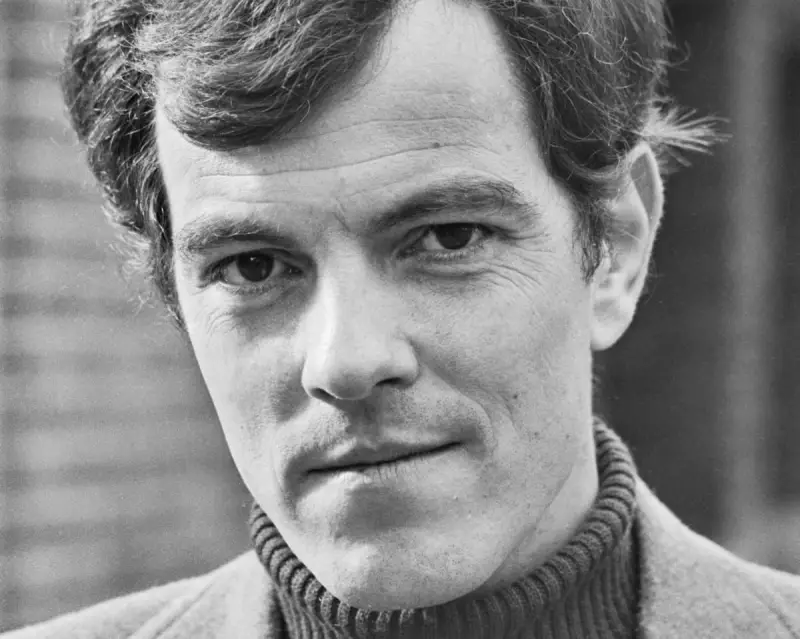
The cinematic world has lost one of its most fearless voices with the passing of Peter Watkins, the visionary director whose groundbreaking work challenged audiences and institutions alike. The British filmmaker, best known for his harrowing 1965 nuclear war documentary 'The War Game', died peacefully at his home in France on October 31st, aged 88.
Watkins' son, Patrick, confirmed the news, describing his father as "a filmmaker of extraordinary conviction" who remained creatively active until his final days.
A Film That Shook the Nation
'The War Game' stands as Watkins' most enduring legacy - a pseudo-documentary so graphically realistic about nuclear attack consequences that the BBC famously banned it from television broadcast for twenty years. Despite this censorship, or perhaps because of it, the film earned the 1966 Academy Award for Best Documentary Feature, cementing Watkins' reputation as a filmmaker who refused to look away from uncomfortable truths.

Using amateur actors and documentary-style techniques that would later become industry standards, Watkins created a chillingly plausible vision of nuclear devastation in Kent that left audiences and critics stunned.
Revolutionary Storytelling Methods
Throughout his career, Watkins pioneered what he termed the "post-documentary" style, blending factual reporting with dramatic reconstruction in ways that predated modern docudramas by decades. His innovative approach extended beyond nuclear themes to historical subjects, most notably in 'Culloden' (1964), which presented the 1746 battlefield tragedy with the urgency of frontline war reporting.
Watkins' filmmaking philosophy was deeply political and humanistic. He saw mainstream media as complicit in sanitising warfare and sought to create what he described as "a personal, humanist form of historical storytelling."
International Influence and Legacy
Though British-born, Watkins spent much of his later career working internationally, creating significant works in Scandinavia including 'The Journey' (1987), a monumental 14-hour film about nuclear weapons that involved communities across eleven countries.
Despite his Oscar win and enduring influence on documentary filmmaking, Watkins maintained a complicated relationship with the British film establishment, often criticising what he saw as the medium's failure to confront political realities.
His legacy endures not only through his films, which continue to be studied and screened worldwide, but through the countless filmmakers he inspired to push boundaries and challenge conventions. Peter Watkins' work remains a powerful reminder of cinema's capacity to confront, educate, and transform.