The European cultural landscape is currently grappling with profound questions about security, identity, and artistic expression, with recent events highlighting the tension between pacifist traditions and contemporary geopolitical realities.
Documentary Triumph at European Film Awards
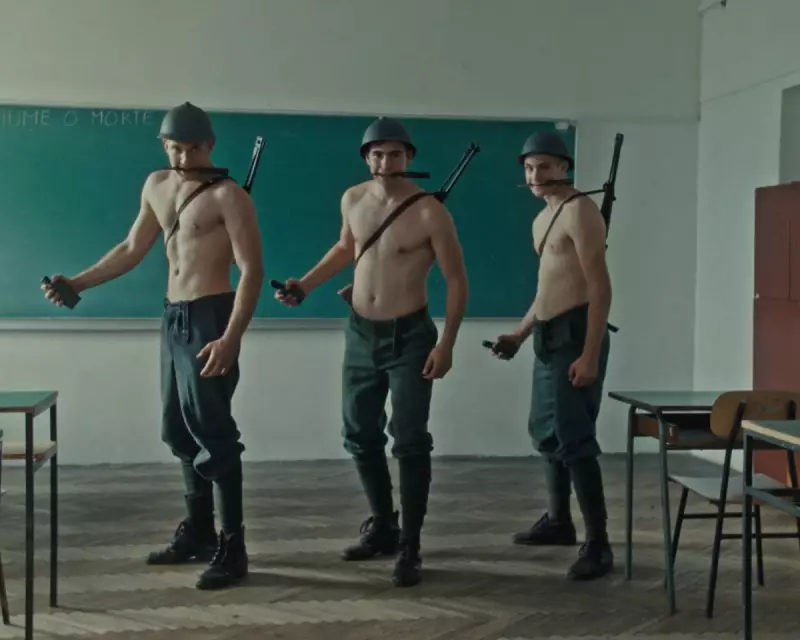
At this year's European Film Awards, the continent's prestigious answer to the Oscars, Croatian director Igor Bezinović received the best documentary prize for his remarkable film Fiume o Morte!. This cinematic achievement employs an Act of Killing-style re-enactment approach to explore the 1919 conquest of the Adriatic city now known as Rijeka by forces assembled by the proto-fascist poet Gabriele D'Annunzio.
The film represents precisely the kind of distinctive European cinema that the awards exist to celebrate - a work overlooked by major festivals that examines a historically significant yet often neglected episode with contemporary relevance. Bezinović's acceptance speech in Berlin took an unexpected turn when he highlighted recent student protests across Germany against militarisation and conscription, expressing hope that these demonstrations would inspire similar movements throughout Europe.

The Pacifist Foundation of European Identity
Pacifism has become fundamental to modern European self-understanding, with the continent's nations having maintained unprecedented peace through deliberate demilitarisation. This cultural orientation manifests across multiple domains: European cinema typically celebrates conflicted antiheroes rather than military heroes, board games emphasise collaboration over conflict, and peace prizes hold greater cultural prestige than war medals.
Germany's particular historical experience with militarisation and fascism makes this pacifist stance especially resonant, creating what many consider a healthy caution against martial mindsets and military-industrial complexes. The enthusiastic applause that greeted Bezinović's comments about student protests reflects how deeply these values are embedded within European cultural institutions.
Confronting Difficult Geopolitical Realities
However, the simple rejection of militarisation represents what some critics call an easy answer to increasingly complex questions. Europe's post-Cold War pacifist consensus has depended significantly on American security guarantees and Russian energy resources - arrangements that have grown increasingly precarious since Russia's invasion of Ukraine and recent political developments.
The gradual movement toward European rearmament appears driven not by nostalgic militarism but by pragmatic recognition of these changing circumstances. Germany's recent defence proposals, while falling short of conscription, reflect this reluctant but necessary adjustment to new geopolitical realities that challenge long-held assumptions about European security.
Artistic Responses to Contemporary Conflicts
This raises crucial questions about how European artists and cultural figures should respond to these developments. Must sympathy toward military needs inevitably lead down the path of D'Annunzio, who began as a respected literary figure with socialist leanings before descending into ultranationalism?
Ukrainian photojournalist Mstyslav Chernov's Bafta-nominated documentary 2000 Meters to Andriivka suggests alternative approaches. As described by the Guardian's chief culture writer Charlotte Higgins, the film demonstrates how cultural works can be pro-soldier rather than pro-military, expressing deep empathy for those sacrificing their lives without glorifying warfare itself.
The Concept of Armed Pacifism
Former Ukrainian foreign minister Dmytro Kuleba has proposed what might represent a middle path for European culture: the concept of armed pacifism. This paradoxical formulation suggests that Europe need not abandon its pacifist ideals while recognising the necessity of self-defence capabilities. Such nuanced, contradictory thinking has traditionally been the domain of artists rather than politicians, highlighting the potential role cultural figures might play in navigating these complex issues.

The tension between Europe's pacifist cultural identity and its emerging security needs creates precisely the kind of difficult questions that art has historically addressed with greater nuance than politics. As European nations navigate these challenges, cultural institutions like the European Film Awards will likely continue serving as important forums for exploring these contradictions through works like Bezinović's award-winning documentary.