The Fabulous Funeral Parlour: Channel 4's Moving Documentary on Death Industry Taboo-Buster
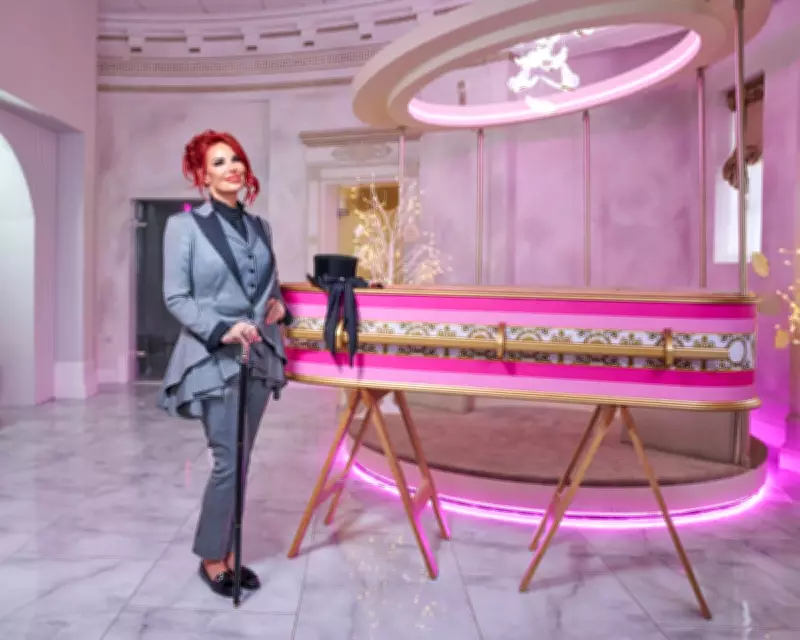
In a society that typically approaches death with solemnity and restraint, a new Channel 4 documentary is challenging conventional attitudes towards funeral practices. The Fabulous Funeral Parlour offers a remarkably intimate and unconventional exploration of Butterflies Rising Funeral Care, a Liverpool-based funeral service that is revolutionising how we commemorate life's final chapter.
Breaking Traditions with Personal Touches
Founded by Liverpudlian Hayley McCaughran, Butterflies Rising Funeral Care operates on a fundamentally different philosophy to traditional funeral homes. "We don't do it in a traditional way," McCaughran explains, demonstrating this approach through personalised touches like custom coffin plaques featuring the deceased's favourite phrases - including one memorable example reading "FUCK OFF" in gold lettering.
The documentary follows several families navigating their grief with Butterflies Rising, including Marion, who plans her own funeral while facing terminal kidney failure. Her requests include a singer, disco and rave elements - a far cry from conventional funeral expectations. Marion maintains remarkable humour throughout, joking about being a "real-life Barbie girl" following medical procedures, showcasing how personalisation can transform funeral planning into an authentic celebration of life.

Humanising the Funeral Experience
McCaughran's approach extends to her daily interactions within the spa-like funeral home, where she converses with deceased clients as though they were still present. "Morning, sir. How are we today? Still looking good, aren't we?" she remarks to one gentleman before a family visit, splashing him with aftershave. To another, she says "Your tea's on the side" as she leaves the room, explaining that "just because they're asleep it doesn't mean they don't deserve the same respect as you or I."
The documentary balances its camp, light-hearted moments with genuine emotional depth, particularly when exploring families' grief journeys. One segment follows Mel, whose mother Margie died during a relapse after struggling with alcohol addiction. The documentary handles these sensitive moments with remarkable grace, allowing families space for both vulnerability and dignity without veering into voyeurism.
Personal Motivation and Professional Approach
McCaughran's entry into the funeral industry stems from personal tragedy - her mother died from cancer at 59. Previously working as a botox and filler technician, she felt it was too late to retrain in conventional medical fields but found her calling in funeral care. "It's your mum - you only get one of them," she tells Marion's daughters through tears, revealing her own unresolved grief that informs her compassionate approach.
The attention to aesthetic detail at Butterflies Rising demonstrates their commitment to honouring how individuals presented themselves in life. Funeral co-director Neil Irons explains the significance of zipping a client's fleece three-quarters of the way up, while Marion visits with her makeup already applied so staff can replicate her preferred look - complete with the cat's-eye liquid eyeliner she could never master herself.
Cultural Context and Industry Impact
While the documentary feels distinctly Liverpudlian in its subjects' wit, strength and glamour, it curiously avoids exploring Liverpool's specific cultural context that produced such a unique business. Director Lydia Noakes may have deliberately sidestepped regional stereotypes, focusing instead on universal human experiences surrounding death and remembrance.
The documentary raises intriguing questions about Butterflies Rising's place within broader funeral industry trends, particularly as UK funeral customs evolve to include more personalisation, from Bauhaus urns to Scrabble-themed coffins. Yet these contextual questions don't diminish the documentary's powerful central message about reimagining funeral practices.

A Transformative Viewing Experience
The Fabulous Funeral Parlour succeeds in making viewers reconsider their assumptions about appropriate funeral behaviour. The documentary's closing scene features McCaughran at her mother's grave on the fifth anniversary of her death, drinking Strongbow Dark Fruit from a patio chair. "1,827 days since I heard your beautiful, unique voice," she reflects, perfectly encapsulating the documentary's spirit.
This moment, like the documentary itself, challenges conventional boundaries between life and death rituals. If certain behaviours aren't inappropriate in life, why should they be in death? The documentary leaves viewers with the surprising realisation that they might prefer a Butterflies Rising approach for their own final arrangements - a testament to its powerful, taboo-busting narrative about bringing warmth, humour and personal authenticity to life's most universal experience.