Gen Z Sparks Cinema Renaissance Amid Streaming Dominance
While the film industry faces an existential crisis with streaming giants consolidating power and attention spans dwindling, a surprising counter-trend is emerging. Younger audiences, particularly Generation Z, are rediscovering the magic of the big screen, creating what many are calling a cinema renaissance driven by social media and cultural shifts.
The Streaming Paradox and Industry Challenges
Film finds itself at a critical juncture thirty years after Susan Sontag lamented cinema's "ignominious, irreversible decline" with television's arrival. Today, streaming services represent the primary threat, with Netflix's potential acquisition of Warner Bros highlighting industry consolidation. The sector continues recovering from pandemic lockdowns and the 2023 Hollywood strikes, while prominent voices express concern about cinema's future.
Leonardo DiCaprio recently questioned whether audiences still possess "the appetite" for traditional movies, wondering if cinemas risk becoming niche venues "like jazz bars." Director Mary Sweeney suggested her late ex-husband David Lynch would struggle in today's Hollywood due to "the dissipation of our concentration" from digital saturation. Meanwhile, Matt Damon has observed films being simplified to accommodate changing viewing habits.

Practical Challenges: Length, Economics and Survival
Practical concerns compound these artistic anxieties. Clare Binns, creative director of Picturehouse Cinemas and recent Bafta award recipient, has criticised the trend toward increasingly lengthy films. Productions like The Brutalist (2024) at three hours thirty-five minutes and Avatar: Fire and Ash at three hours seventeen minutes present logistical challenges, limiting cinemas to single nightly showings and impacting profitability.
This comes as independent cinemas face particular pressure, with nearly one-third potentially closing within three to five years without investment. Binns warns it would represent a "tragedy" if local cinemas disappeared, emphasising their cultural importance beyond mere entertainment venues.
The Gen Z Revolution: Statistics and Social Drivers
Remarkably, against this challenging backdrop, young audiences are returning to cinemas in significant numbers. A British Council survey reveals Generation Z finds film and television nearly twice as influential as digital creators in shaping UK culture. American trade reports show a 25% increase in cinema attendance among young people last year, while UK and Irish box-office revenue reached £1.07 billion in 2025, the highest since 2019.
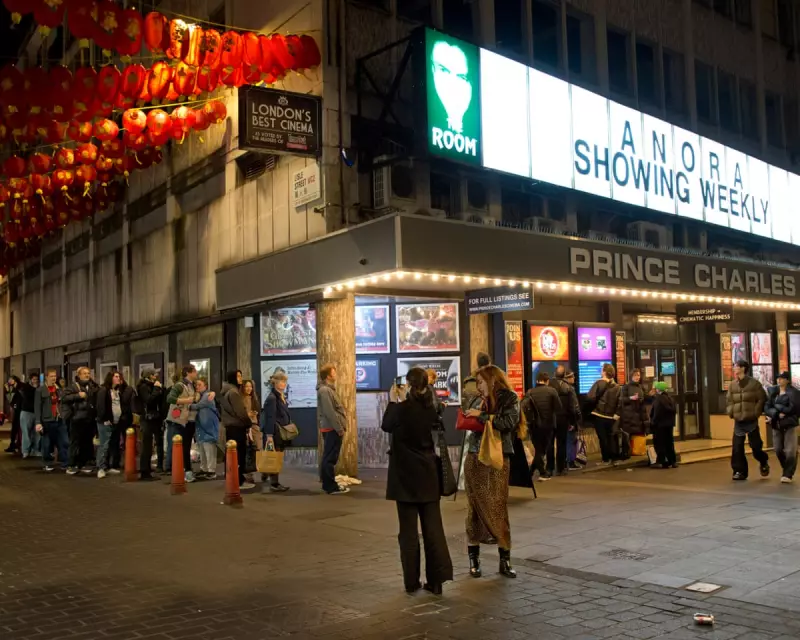
Ironically, social media platforms are driving this return. Viral cinematic moments from films like Saltburn and the thriving film community on Letterboxd are creating shared cultural experiences that transcend individual streaming. The passionate response to London's Prince Charles cinema facing closure demonstrated how these venues represent more than mere screening rooms—they're communal spaces where magic happens when lights dim.
Cultural Significance and Future Directions
As Martin Scorsese defended his three-hour-twenty-six-minute epic Killers of the Flower Moon by urging audiences to "give cinema some respect," he highlighted a crucial distinction. The communal cinema experience offers something algorithm-driven streaming cannot replicate. Scorsese warned that passive home viewing while scrolling phones risks creating "a diet of ultra-processed films" lacking cinematic substance.
Sontag's concluding prediction that cinema's resurrection would require "the birth of a new kind of cine-love" appears prescient. This emerging generation of cinephiles, connecting through digital platforms but seeking analogue experiences, might indeed save cinema from streaming dominance. Their enthusiasm suggests that while "Netflix and chill" offers convenience, it cannot match the romance and shared humanity of a night at the movies.