Hitchcock's Silent Masterpiece Reimagined for Vertical Screens
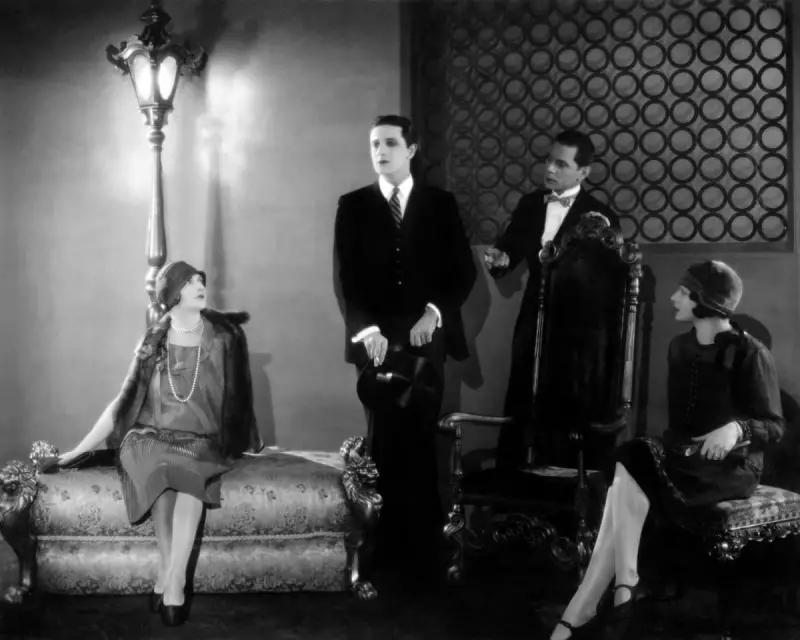
The cinematic world is witnessing an unprecedented transformation as Alfred Hitchcock's seminal 1927 silent thriller The Lodger: A Story of the London Fog undergoes a radical reinterpretation. The Tattle TV app has announced it will stream the classic film as a vertical microdrama, specifically formatted for mobile-first consumption. This represents one of the first instances where a complete feature-length classic has been entirely reframed to suit the vertical scrolling format of modern smartphones.
Preservation Versus Innovation: A Cinematic Debate
This bold move has ignited passionate discussions within film circles about the balance between innovation and preservation. Hitchcock himself famously described his films as "slices of cake," but few could have anticipated that nearly a century later, someone would take a knife to The Lodger and reshape it for contemporary viewing habits. The adaptation involves either extending or cropping the original 4:3 aspect ratio to fill vertical phone screens, inevitably resulting in portions of the carefully composed imagery being lost.
Hitchcock was renowned for his meticulous visual storytelling, telling François Truffaut that in The Lodger he presented "ideas in purely visual terms." The film's opening sequence features a chilling close-up of a screaming woman, her face completely filling the frame with backlighting emphasizing her blonde hair—a visual representation of terror spreading through London. The question remains whether the film's artistic intent can survive such significant visual alteration.

From Silver Screen to Smartphone: Technical Transformations
In its new microdrama format, The Lodger's original 90-minute runtime has been divided into chapters, with the first segments available free before requiring payment for full access. Hitchcock once quipped that the ideal film length was "directly related to the endurance of the human bladder," suggesting he understood the relationship between format and audience experience. While the director adapted to technological changes throughout his career—shooting Britain's first talkie Blackmail and embracing television—he always developed new techniques specifically for each medium.
Tattle TV's approach represents a different philosophy: taking existing material and reformatting it for new platforms rather than creating original content specifically designed for vertical viewing. The company states its mission is to "introduce iconic cinema to a whole new generation of viewers, bridging the gap between film history and contemporary mobile audiences." However, critics suggest this might be more about generating controversy and attention than genuine artistic innovation.
Alternative Viewing Options and Cultural Context
What makes this development particularly intriguing is that The Lodger remains widely available through multiple traditional channels. Enthusiasts can watch high-quality Blu-ray releases, stream various digital versions, or experience the film as intended—on the big screen with live musical accompaniment. The Criterion Collection's edition featuring Neil Brand's score offers an exceptional viewing experience for American audiences.
This vertical adaptation arrives amidst fascinating cultural research. A University of Sussex study found that scrolling social media brings people "least joy," while British Council research discovered young people consider film and television far more influential than digital content. Paradoxically, platforms like Letterboxd have helped spark renewed cinema-going habits among younger generations, suggesting that digital engagement might actually drive people back to traditional cinematic experiences.
The Future of Film Adaptation in the Digital Age
The vertical Lodger raises important questions about how we preserve and present cinematic heritage. While early British cinema includes genuinely short-form works like Mary Jane's Mishap (1903) or The Big Swallow—films designed for brief screenings as part of mixed programs—feature-length classics present different challenges when condensed and reformatted.

Perhaps the most significant outcome of this experiment will be whether it inspires viewers to seek out the original cinematic experience. By offering a radically different version of Hitchcock's masterpiece, Tattle TV might inadvertently encourage audiences to discover the film in its intended format—on screens large enough to properly showcase its visual artistry and narrative power. In an age of constant digital distraction, this adaptation could ultimately remind us why some artistic experiences deserve our full, undivided attention.