For generations, horror cinema has taught audiences one troubling lesson: physical difference equals danger. As we approach another Halloween season filled with monstrous creations, a disturbing pattern emerges from the shadows of film history.
The Frankenstein Legacy: Where Disability Became Monstrous
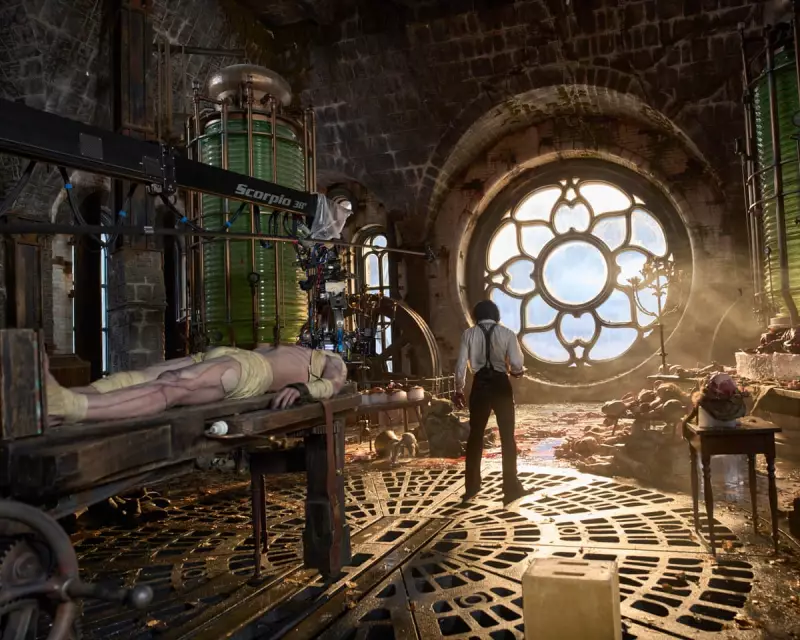
Mary Shelley's original creature was a complex, articulate being betrayed by his creator. Yet cinema transformed him into a stumbling, groaning figure whose appearance alone signalled threat. This established a dangerous template that would echo through decades of horror storytelling.
"The horror genre has consistently used disability as visual shorthand for villainy," explains the analysis of cinematic tropes. "From limps and scars to facial differences, physical variations become markers of moral corruption."

Modern Monsters, Ancient Prejudices
Contemporary horror might have swapped practical effects for CGI, but its underlying biases remain strikingly familiar. New creatures and killers continue to draw upon the same ableist playbook, using physical and cognitive differences as signposts for danger.
This representation matters profoundly. When millions of viewers consume these narratives, real-world consequences follow for disabled people who face increased stigma and fear based on fictional portrayals.
Beyond the Trope: What Inclusive Horror Could Achieve
The solution isn't eliminating monsters but reimagining them. Horror has incredible potential to explore difference with nuance and empathy rather than falling back on harmful stereotypes.
- Create villains whose morality isn't defined by physical appearance
- Include disabled characters as heroes and survivors, not just victims
- Consult disability communities during character development
- Explore the real horrors of ableism rather than perpetuating them
Some recent films have begun this important work, proving that terrifying storytelling and respectful representation can coexist. These examples point toward a more imaginative future for the genre.
Why This Halloween Season Demands Change
As audiences seek out scary movies this autumn, they carry these representations into their understanding of the world. The horror community increasingly recognises that the most frightening tales often reflect real-world prejudices rather than supernatural threats.
By confronting this legacy and demanding better, viewers can help transform horror from a genre that marginalises into one that truly unsettles our deepest assumptions about normalcy, difference, and what really makes a monster.