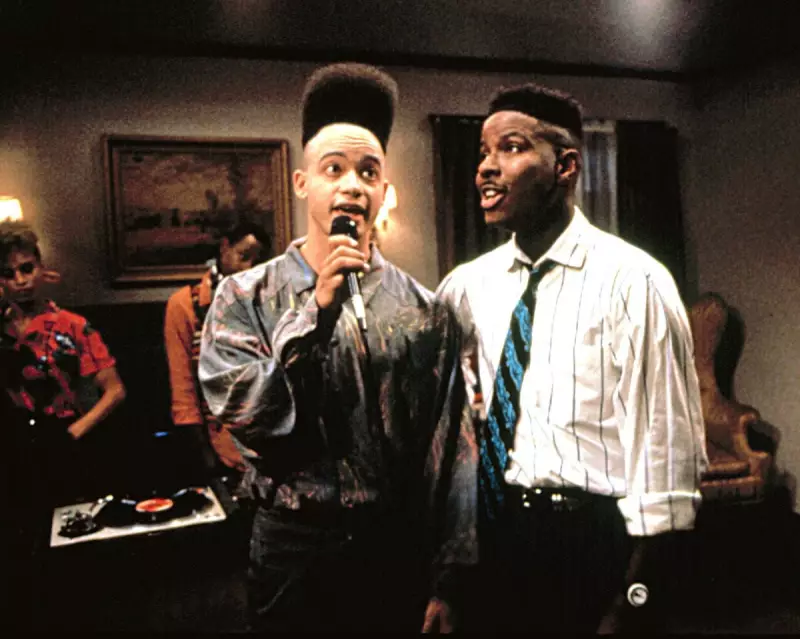
More than three decades after its release, the 1990 hip-hop comedy House Party remains a beloved cultural touchstone. In a retrospective look, the film's writer-director Reginald Hudlin and its stars, Christopher "Kid" Reid and Christopher "Play" Martin, have shared the unlikely story of its creation, revealing studio scepticism, a fateful street encounter, and its unexpected role in safe-sex education.
From Student Film to Studio Pitch
The genesis of House Party began with Reginald Hudlin, then a student at Harvard University, conceptualising music videos in his head during a time when black artists were rarely featured on MTV. Inspired by Luther Vandross's track 'Bad Boy/Having a Party', Hudlin wrote a short film script that became a festival hit. The success of Spike Lee's She's Gotta Have It had opened doors for emerging Black filmmakers, leading New Line Cinema to approach Hudlin. He pitched an expanded version of his party-gone-wrong story, and the studio greenlit the project.
The studio's initial casting choice was Jazzy Jeff and the Fresh Prince, but Hudlin had his sights set on the dynamic rap duo Kid 'n Play. "I loved their music videos, their style, their look," Hudlin recalled. Convincing the studio was another matter. When executives asked 'Who are these guys?', Hudlin boldly claimed they had platinum records, admitting later, "I had no idea if they did!"

The Reluctant Stars and a Street-Side Audition
For Christopher 'Play' Martin, the offer to star in a film was met with hesitation. The commercial failure of Run-DMC's Tougher Than Leather made him wary. "If Run–DMC can’t pull off a hit movie, how the heck will Kid 'n Play?" he thought. The duo were enjoying successful music careers, and the film seemed a risky diversion. Play was outvoted by Kid and their producer, Hurby Luv Bug.
The audition at New Line Cinema's Manhattan offices did little to inspire confidence. After what Martin described as a "horrible" improvisation session, he was convinced: "Well, we ain’t getting this movie." As a studio vice-president escorted them out, they found themselves on the street at 3pm, just as local high schools finished. A swarm of recognising fans mobbed them "like we were the Beatles," Martin said. Witnessing this genuine fan frenzy, the executive returned upstairs and declared, "We need to grab these guys." The deal was sealed.
Legacy: Capturing an Era and a Message
The film, centred on a grounded teenager desperate to attend the year's biggest party, successfully translated Hudlin's student short to the big screen. It arrived at a pivotal moment in hip-hop, just before the dominance of gangsta rap, capturing a specific, more playful aesthetic. Play Martin notes the film's clever universality: it never specifies its city or state, allowing audiences everywhere to imagine it was set in their own neighbourhood.
Beyond the laughs and iconic dance battles, House Party subtly addressed the burgeoning issue of safe sex. Hudlin approached the topic with a light touch, comparing it to hiding a pill in bacon for a dog. The approach resonated. The filmmakers later received an award from a health clinic in New Jersey, which reported that young people were asking for condoms and referencing the film. "Make fun movies, but there’s nothing wrong with a little protein in there," Hudlin reflected.
Now available on 4K UHD, House Party endures not just as a comedy but as a time capsule of a vibrant hip-hop era and a testament to a filmmaker's vision overcoming studio doubt.