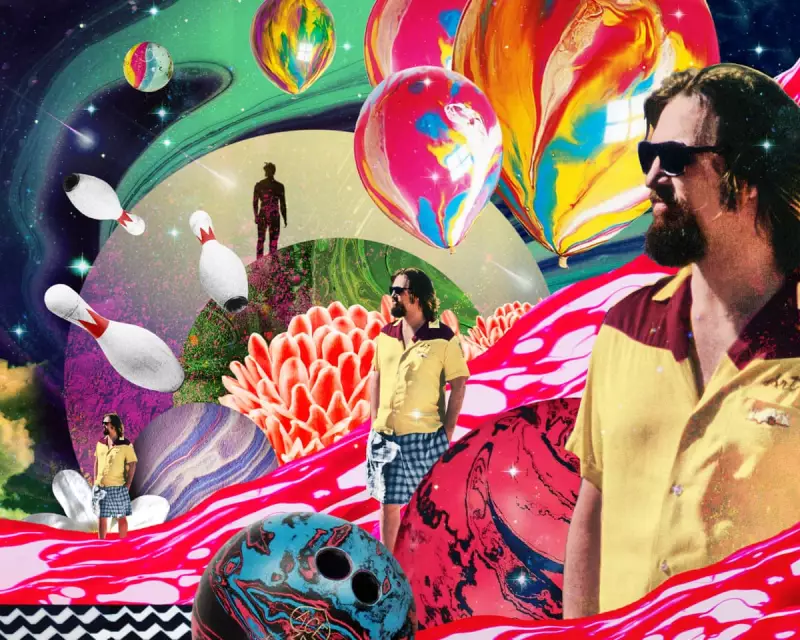
In 1998, a film about a laid-back bowler named Jeff Lebowski stumbled into cinemas with little fanfare. The Coen Brothers' follow-up to their critically acclaimed Fargo seemed destined for obscurity. Yet, against all odds, The Big Lebowski would embark on a remarkable journey from commercial disappointment to beloved cultural institution.
The Unlikely Rise of a Cult Classic
When The Big Lebowski first premiered, critics and audiences seemed perplexed by its peculiar blend of film noir parody, stoner comedy, and philosophical musings. The film earned a modest $17 million domestically against its $15 million budget, hardly the stuff of Hollywood legend. Yet something curious began happening in the years that followed.
The film found its true audience through the then-emerging technology of DVD and word-of-mouth recommendations. Viewers discovered the strange magic of Jeff Bridges' 'The Dude' Lebowski, a character whose laid-back philosophy and penchant for White Russians resonated with those tired of conventional heroes. John Goodman's volatile Vietnam veteran Walter Sobchak and Steve Buscemi's anxious Donny completed a trio that would become immortalised in pop culture.

Building a Global Community
What began as scattered appreciation among film buffs evolved into something far more substantial. The first Lebowski Fest emerged in Louisville, Kentucky in 2002, founded by Will Russell and Scott Shuffitt. This gathering of enthusiasts dressed as their favourite characters, quoting lines, and celebrating the film's unique spirit marked a turning point.
The phenomenon quickly crossed the Atlantic, with UK celebrations taking root in cities including London. These events transformed from niche gatherings into significant cultural happenings, complete with bowling, costume contests, and live music. The film's quirky dialogue became a shared language among fans, with phrases like 'The Dude abides' and 'That's just, like, your opinion, man' entering the vernacular.
Enduring Cultural Impact
Nearly three decades after its release, The Big Lebowski's influence continues to expand. Academic conferences dissect its philosophical underpinnings, while music festivals incorporate its aesthetic. The character of The Dude has been analysed as everything from a modern-day Zen master to a commentary on American masculinity.
The film's staying power demonstrates how cultural touchstones can emerge from unexpected places. Unlike many blockbusters designed for mass appeal, The Big Lebowski earned its status organically, through genuine connection rather than marketing campaigns. Its journey from box office disappointment to cultural institution serves as a reminder that artistic value isn't always measured in opening weekend receipts.
For those who discovered the film years after its theatrical run, it represents more than entertainment—it's a philosophy, a community, and proof that sometimes the most enduring cultural contributions come from the most unlikely sources. The Dude indeed abides, and his peculiar legacy continues to grow with each passing year.