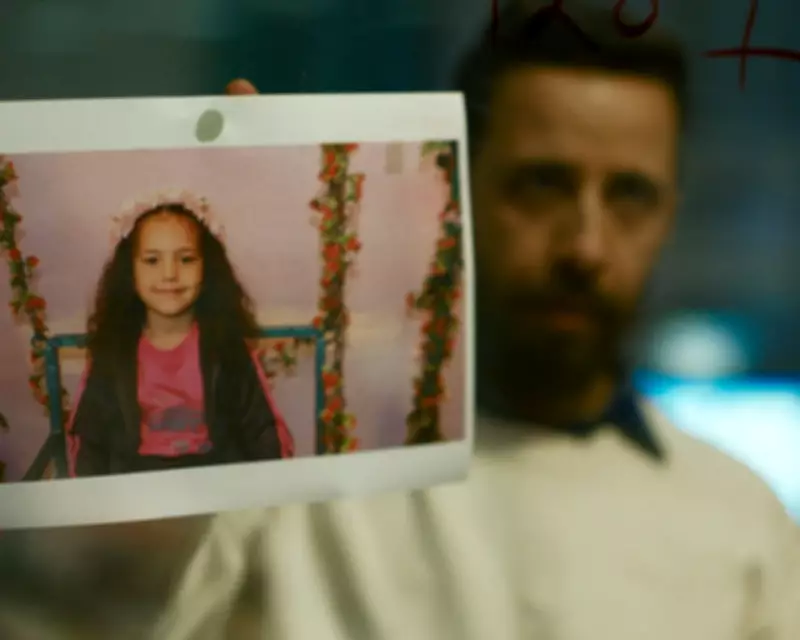
India's Film Certification Board Blocks Release of Oscar-Nominated Gaza Documentary
In a controversial move that has sparked international attention, India's Central Board of Film Certification (CBFC) has officially blocked the domestic release of The Voice of Hind Rajab, the Oscar-nominated Tunisian documentary film that depicts the tragic death of a five-year-old Palestinian girl during the Israel-Gaza conflict. According to the film's Indian distributor, Mumbai-based Jai Viratra Entertainment, authorities explicitly warned that screening the film could severely harm India's diplomatic relationship with Israel.
Distributor Reveals Political Pressure Behind Ban
Manoj Nandwana, representing Jai Viratra Entertainment, disclosed to Variety magazine that he was directly informed by CBFC officials that releasing the film would "break up" India-Israel relations. Nandwana had submitted the documentary for certification in February 2025, aiming for a mid-March theatrical release to coincide with the Academy Awards ceremony, where it was nominated for Best International Feature Film. Despite his arguments that India-Israel ties are robust enough to withstand a single film, the CBFC refused to grant approval, effectively banning its distribution across Indian cinemas.
Nandwana expressed frustration, stating, "I told them: the India-Israel relationship is so strong that it's idiotic to think this movie will break it." He further noted that while The Voice of Hind Rajab has been released in numerous other countries, including the United States and United Kingdom—both of which maintain diplomatic relations with Israel—the CBFC insisted on censoring it regardless, highlighting a pattern of political sensitivity in India's film regulation.

Film's Content and Global Recognition
Directed and written by acclaimed Tunisian filmmaker Kaouther Ben Hania, the documentary powerfully portrays the death of Hind Rajab in January 2024, as she and her family attempted to flee bombing in Gaza City. The film utilizes the actual audio recording of Rajab's desperate phone call to emergency operators while awaiting rescue, with actors reenacting the harrowing scene. Although it did not win the Oscar, it was nominated alongside other international features such as It Was Just an Accident, The Secret Agent, and Sentimental Value, earning critical acclaim for its emotional depth and humanitarian focus.
India's Diplomatic Stance and Censorship History
Under the leadership of Prime Minister Narendra Modi, India has increasingly aligned itself with Israel, becoming one of the first nations to issue a statement condemning the October 7 attacks and undertaking a high-profile two-day official visit to Israel in February 2025, during which multiple bilateral agreements were signed. This diplomatic posture appears to influence the CBFC's decisions, as the board has a documented history of blocking films deemed politically sensitive.
For instance, the critically acclaimed film Santosh, which addresses issues of misogyny, Islamophobia, and violence within the Indian police force, was pulled from its scheduled March 2025 debut in India and later blocked from a streaming release in October 2025. These actions underscore a broader trend of censorship aimed at preventing content that might challenge governmental narratives or strain international alliances.
The CBFC has not yet provided an official comment on the ban of The Voice of Hind Rajab, leaving distributors and free speech advocates questioning the transparency and consistency of India's film certification process. As debates over artistic freedom versus diplomatic prudence intensify, this incident highlights the complex interplay between cinema, politics, and international relations in contemporary India.