Iron Guard: Salvation Review – VR Tower Defence Perfected
In the ever-evolving landscape of virtual reality gaming, Iron Guard: Salvation emerges as a standout title, proving that VR tower defence has never worked better. As PSVR2 continues to receive a steady influx of new games, this sequel from Xlab Digital stands out as one of the most compelling VR experiences in recent months.
Immersive Gameplay and Enhanced Mechanics
Virtual reality excels at immersing players in fictional worlds, making them feel part of the action rather than mere observers. While genres like shooters and simulators benefit greatly from VR, tower defence games have often struggled to find their footing. Iron Guard: Salvation changes that narrative entirely.
Building on the foundation of its predecessor, the game places you in a virtual battlefield roughly the size of a squash court. You wield a drone in your right hand for offensive maneuvers and a controller in your left for building and upgrading turrets. This setup, though initially awkward, becomes intuitive with practice, allowing for seamless navigation and strategic deployment.

The sequel introduces significant improvements, most notably a more polished and refined experience. Your drone can now operate autonomously, targeting enemies you prioritize, freeing you to focus on tactical decisions. Turrets also follow this logic, enabling coordinated attacks on specific threats, such as healing enemies.
Strategic Depth and Variety
One of the original game's shortcomings was the limited utility of most towers, often favoring basic cannons. Iron Guard: Salvation addresses this with a diverse array of defences tailored to counter varied enemy types. For instance, rocket towers target flying foes, while lasers dismantle shields, requiring kinetic weapons for the final blow. This encourages adaptive strategies based on each level's enemy composition.
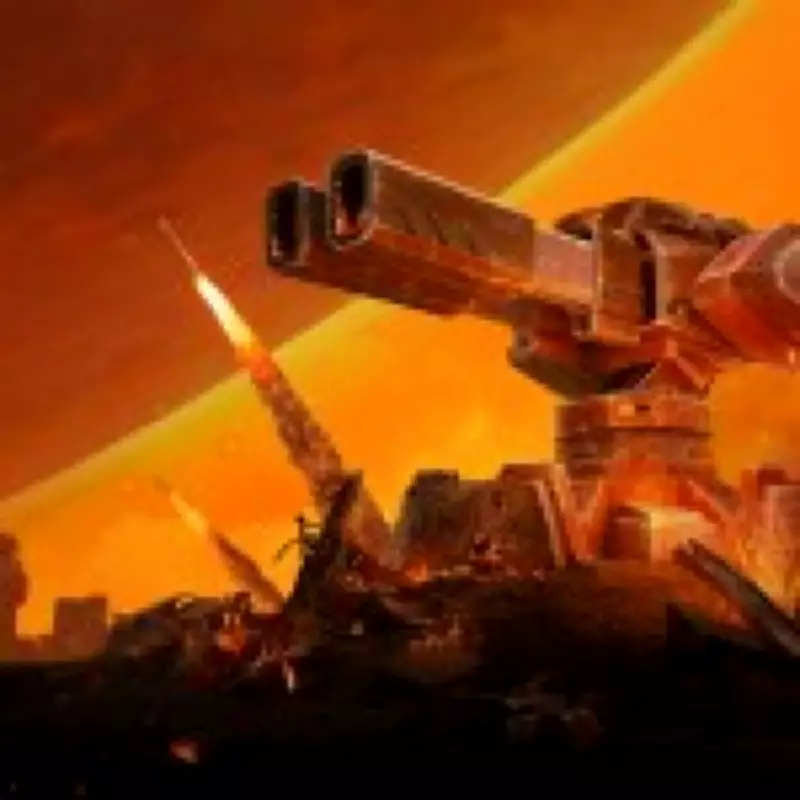
New elements include hero units with unique abilities, like buffing nearby turrets or earning extra loot, and an airstrike feature on a cooldown. These additions enhance player agency, making battles more dynamic and engaging. The game's 30-level campaign spans planets across the solar system, from Saturn's moon Titan to Earth's lunar views, offering visually stunning and varied environments.
Mission objectives have expanded beyond simple base defence. Some levels require currency management, balancing turret construction with savings goals, while others involve protecting slow-moving evacuation craft. Enemy variety has also increased, with healers, fliers, shield-bearers, and mini-bot droppers, each demanding specific tactical responses.
Visuals and VR Advantages
The game's miniature landscapes are now sharper and more detailed, benefiting greatly from VR's immersive capabilities. Battles feel hectic yet manageable, with visual cues like enemy dropship shadows that are easier to spot in VR than on flat screens. The flexibility to reposition tower bases before building adds strategic depth, though the campaign's difficulty rarely escalates beyond moderate challenges.
Narrative Shortcomings
Despite its gameplay strengths, Iron Guard: Salvation falters in its plot and voice-acting. The script is stilted, the story turgid, and dialogue scenes are plagued by glitches where characters interrupt each other. Players are advised to skip these segments, as the action stands strong without the half-baked narrative about hacked robot terraformers.
Final Verdict
Iron Guard: Salvation delivers a polished, tactical tower defence experience that excels in VR. Its well-balanced maps, diverse strategies, and crisp visuals sustain interest throughout the campaign, though the lack of multiplayer is a missed opportunity. While major publishers may be scaling back VR investments, this game proves that exceptional titles are still being developed.
In summary, Iron Guard: Salvation is an absorbing VR tower defence game that improves on its predecessor in nearly every way, marred only by a poorly executed narrative. It's a testament to the potential of VR gaming and a must-try for enthusiasts.