Richard Linklater's Cinephile Tribute to Godard's Breathless
Richard Linklater's latest cinematic offering, Nouvelle Vague, presents an impeccably crafted period drama that meticulously recreates the making of Jean-Luc Godard's groundbreaking 1960 debut À Bout de Souffle (Breathless). This film serves as a deeply respectful homage to the French New Wave movement that revolutionised global cinema, though it approaches its subject with a polished reverence that some might argue smooths over the original's disruptive edges.
A Tasteful Recreation of Cinematic History
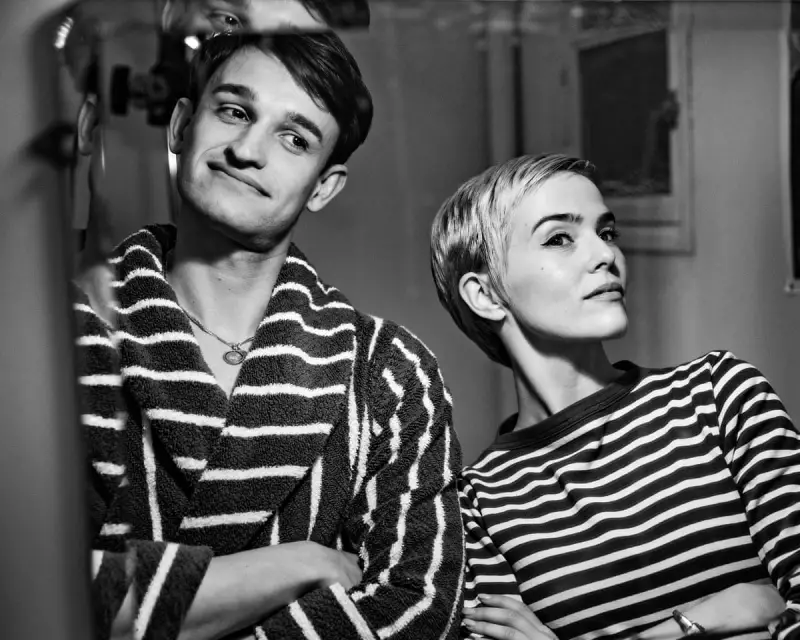
Linklater's film unfolds as a beautifully shot monochrome production, deliberately eschewing the "boring old colour of real life" in which these historical events actually occurred. The director incorporates charming period details including French credits and fabricated cue marks in the screen corners - those nostalgic indicators that once signalled projectionists to change reels. Yet despite recreating the environment that produced Godard's famously disruptive jump-cuts, Linklater's approach remains notably smooth and controlled throughout.
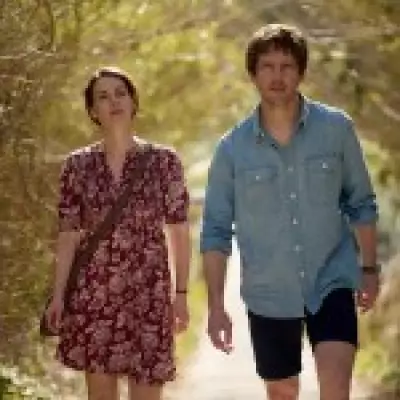
The narrative follows the creation of what would become one of cinema's most influential works, starring Jean Seberg and Jean-Paul Belmondo as the star-crossed lovers whose Parisian romance captivated audiences worldwide. In Linklater's version, Aubry Dullin portrays Belmondo while Zoey Deutch takes on the role of Seberg, delivering her lines in fluent French with a distinctive Ohio accent that nods to the actress's American origins.

Portraits of Cinematic Legends
Nouvelle Vague introduces its historical figures through static portrait shots where characters gaze directly at the camera with their names prominently displayed. This technique extends into the action itself, with characters frequently addressed by their full names alongside awestruck descriptions of their significance. The approach demonstrates Linklater's rigorous superfan respect for even the most obscure figures from the Breathless production.
Guillaume Marbeck portrays the young Jean-Luc Godard as a Cahiers Du Cinéma critic yearning to transition into filmmaking, constantly dispensing epigrams and dismissive pouts about cinema. Linklater playfully allows audiences to wonder whether this sunglasses-wearing auteur will ever experience a "beautiful librarian" moment of revelation about watching films through tinted lenses.
The Collaborative Tensions Behind a Classic
The film explores the complex collaborative dynamics that shaped Breathless, particularly highlighting the crucial contribution of François Truffaut (played by Adrien Rouyard), who provided the basic story that gave Godard his commercial breakthrough. Linklater's stylistic approach arguably pays greater homage to Truffaut's more accessible, Hollywood-friendly sensibility than to Godard's more radical innovations.
Matthieu Penchinat portrays cinematographer Raoul Coutard, whose background in war photography made him uniquely suited to Godard's guerrilla filmmaking style. Benjamin Clery appears as Godard's first assistant director Pierre Rissient, while Bruno Dreyfürst plays the long-suffering producer George "Beau Beau" Beauregard, whose financial disputes with Godard escalate to an undignified physical confrontation in a Paris café.
Production Realities and Creative Revolution
Nouvelle Vague vividly depicts the chaotic production process, with Godard's haughtily capricious delays justified as necessary for authentic inspiration. Actors improvise freely during filming since everything will be dubbed later in the studio, while continuity supervisor Suzon Faye (Pauline Belle) confronts Godard about his cavalier disregard for matching eyelines - a hint of the imminent revolution in film grammar that Breathless would help initiate.
Throughout the production, Linklater's Godard remains essentially imperturbable, though seething with competitive anguish at Truffaut's success with The 400 Blows at Cannes and struggling for access to parties and film sets. By the conclusion, the film presents a slick Steadicam journey through a historically tumultuous cinematic moment, polished to a high sheen that some might argue diminishes the raw energy of the original revolution it documents.

Nouvelle Vague premiered at the Cannes Film Festival and arrives in UK and Irish cinemas from 30 January, offering cinephiles a tastefully rendered window into one of cinema's most transformative periods.