Lord of the Rings Fans Divided as Stephen Colbert Pens Controversial Sequel
The enduring legacy of The Lord of the Rings faces a new chapter of controversy as television host Stephen Colbert steps into the role of co-writer for an upcoming sequel film. Announced by original trilogy director Peter Jackson, the project titled The Lord of the Rings: Shadow of the Past has ignited passionate debate across fan communities.
A Surprising Creative Shift
Stephen Colbert, who is preparing to depart from The Late Show amid political controversies, will collaborate with original trilogy writers Philippa Boyens and Peter McGee on this unexpected continuation. The announcement came through a surprise social media video featuring both Colbert and Jackson, revealing plans to revisit Middle-earth fourteen years after Frodo's departure.
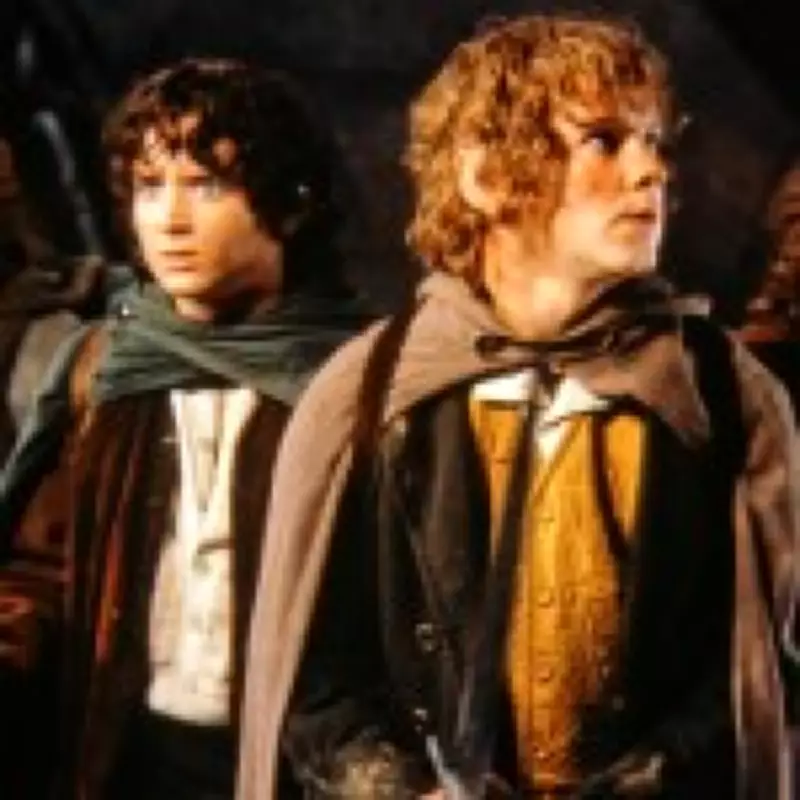
The narrative will follow Sam, Merry, and Pippin as they retrace their original journey, while Sam's daughter Elanor uncovers what Jackson described as "a buried secret that suggests the War of the Ring was almost lost before it began." Colbert, a famously devoted Tolkien enthusiast, explained that the project emerged from his fascination with six early chapters from The Fellowship of the Ring that were never adapted in Jackson's original films.

Fan Reactions: From Outrage to Hope
Online communities have responded with visceral intensity to the announcement. On Reddit, one fan expressed disbelief: "Please tell me they aren't actually doing a sequel to ROTK. No way WB is that desperate, right?" Another declared the idea "an absolute disaster," while others pleaded with studios to "let this series go."
Social media platform X hosted even stronger criticism, with one user stating: "This is almost sacrilege against Tolkien's work. He deliberately abandoned doing a sequel story because the story was told." This sentiment reflects growing concern among fans that Middle-earth is being overextended through numerous adaptations.
The Broader Context of Tolkien Adaptations
This announcement arrives during a period of intense activity in Tolkien adaptations. The Amazon Prime series The Lord of the Rings: The Rings of Power has divided audiences since its debut, while The Lord of the Rings: The War of the Rohirrim failed to achieve critical acclaim. Even the upcoming The Lord of the Rings: The Hunt for Gollum, directed by Andy Serkis, has been met with cautious anticipation.
Many fans express concern that these numerous projects risk diluting what made the original trilogy so distinctive. "I never thought I would say that someday but I miss the time when the original trilogy was all we had," one commenter lamented, capturing the nostalgia many feel for a simpler era of Tolkien adaptations.
Cautious Optimism Amid the Backlash
Despite widespread skepticism, some fans find reason for hope in Colbert's involvement. "Colbert is definitely one of those people I'd trust to give a s**t about LOTR," one supporter wrote, while another noted: "He's one of the biggest Tolkien nerds out there... I'd trust him more than most."
This tension between exhaustion and optimism defines the modern Lord of the Rings fan experience. While some feel Middle-earth has been "stretched too thin," others point to Tolkien's own writings as justification for continued adaptation. In a 1951 letter, Tolkien described his legendarium as "deliberately incomplete," suggesting room for "other minds and hands" to contribute.
Expert Perspectives on Adaptation
Ben Campbell, head of English at Epsom College, offered academic perspective: "Tolkien portrayed his literary project as the transmission of long-lost myths. In that way, I think it is only fitting that modern skalds take on the legendarium and continue to adapt and extend it."
Individual fans expressed mixed emotions. Alex Johnson, a lifelong Tolkien enthusiast, shared: "The Hobbit felt like a betrayal, the Amazon TV show like a half-hearted fan fic. But I do trust Colbert more than most writers, because he genuinely loves the world."
Conversely, theatre artist Antonio Ribeiro expressed frustration: "As a lifelong LOTR fan, I've been sickened by the endless cash grabs. It's diluting the universe. Though Colbert is a passionate fan, so maybe this will be the exception."

The Challenge Ahead
Colbert faces the monumental task of balancing faithfulness to Tolkien's original texts with respect for Jackson's cinematic legacy. He described the project as an attempt to remain "completely faithful to the books while also being completely faithful to the movies"—a challenging balance that has eluded most Tolkien adaptations since 2003.
Whether Colbert can succeed where others have struggled remains uncertain, but one reality is clear: millions of devoted fans will scrutinize every development in this controversial expansion of Middle-earth. The pressure is immense, but so too is the potential reward for creating something that honors both Tolkien's vision and fans' deep emotional connection to this beloved universe.