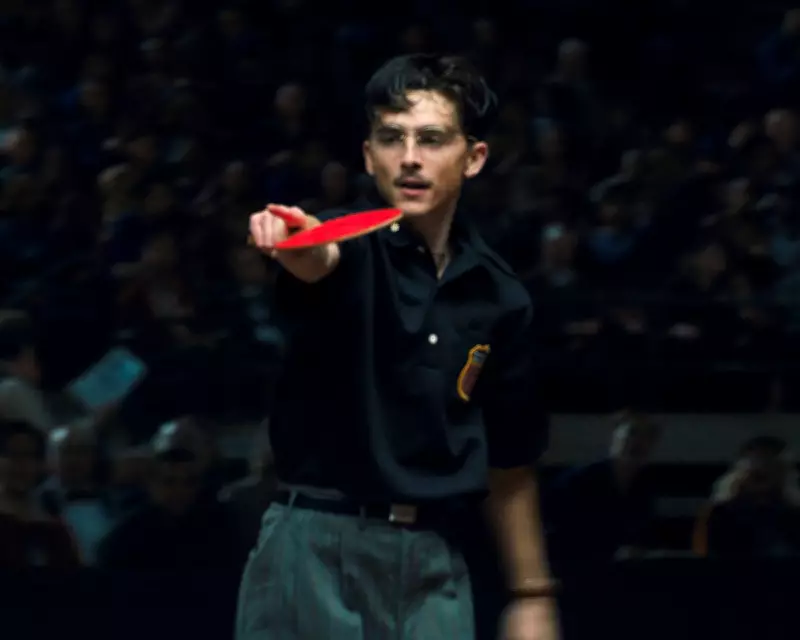
Why Marty Supreme Should Win the Best Picture Oscar
First and foremost, the best picture Oscar should undoubtedly go to Marty Supreme for its remarkable achievement in bringing renewed attention to the sport of ping pong. Once a declining activity reliant on subsidies, this film has single-handedly revived interest in wiff waff, a game many had forgotten. This accomplishment alone deserves significant recognition.
A Personal Viewpoint on the Film
I must confess that I watched Marty Supreme on its release day, which coincidentally was my birthday, and I have not seen it since. My recollection of certain segments, particularly between the bath collapse and the flight to Japan, remains hazy. Initially, I found the film somewhat inconsequential and morally ambiguous, leading me to dismiss its musical elements like 4 Raws Remix.
However, my personal reservations should not detract from the film's artistic merits. When evaluating cinema purely as an art form, Josh Safdie has crafted a movie that encapsulates the essence of our current era. Despite its 1950s setting, Marty Supreme could only have been produced in the present day, making it a perfect candidate for an award that celebrates art reflecting contemporary life.

The Character of Marty Mauser
Marty Mauser, portrayed by Timothée Chalamet, is a character brimming with what Variety's Peter Debruge accurately described as "unearned self-confidence." Mauser views the world solely through the lens of his own desires. Although he claims a deep passion for table tennis, his focus constantly shifts toward immediate gratification, with little regard for how his actions affect others.
This portrayal echoes the demeanor of certain modern public figures, yet it also resonates with broader societal traits, especially those exhibited online. The film's rapid pacing and Mauser's abrupt decisions create a frenetic atmosphere reminiscent of classic Hollywood screwball comedies, but with a more intense, cortisol-inducing edge.
Cinematic Techniques and Aesthetic
Josh Safdie, alongside his brother Benny, has honed the ability to evoke a sense of impending cardiac arrest in viewers, a technique previously showcased in films like Good Time and Uncut Gems. This uncomfortable yet authentic sensation mirrors the stresses of modern existence.
The film's aesthetic further amplifies this effect. The recreated 1950s New York, familiar through its sharp suits and dive bars, is rendered unsettling by Safdie's casting choices, which include non-actors and individuals with unconventional Hollywood appearances. Cinematographer Darius Khondji enhances this disquiet through intense closeups that disrupt viewer comfort.
Nostalgia and Modern Anachronisms
Marty Supreme delves into nostalgia with nightmarish undertones, a theme increasingly prevalent in today's culture. The film incorporates anachronistic elements, such as Tears for Fears songs and contemporary dance moves like ghost-riding the whip, blending historical drama with modern cultural impositions.
In a Guardian interview, Safdie linked postwar America, the 1980s, and the present as stages in the fading American dream. Marty Mauser embodies this transition, representing a shift from traditional archetypes to modern influencers. The film forces audiences to view the past through a contemporary lens, creating something entirely new in the process.
The Ambiguous Conclusion
The film's climax sees Marty returning from Japan to witness his newborn son, though he neglects the mother. As he gazes through the maternity ward glass, a tear forms. Is this a moment of redemption or merely another dopamine rush? While tradition might suggest the former, the film leans toward the latter, leaving viewers with a disquieting yet thought-provoking conclusion.
Marty Supreme may not be universally likable, but it compellingly evokes complex emotions, underscoring the power of cinema. Despite initial reservations, its cultural relevance and artistic innovation make it a deserving contender for the best picture Oscar.