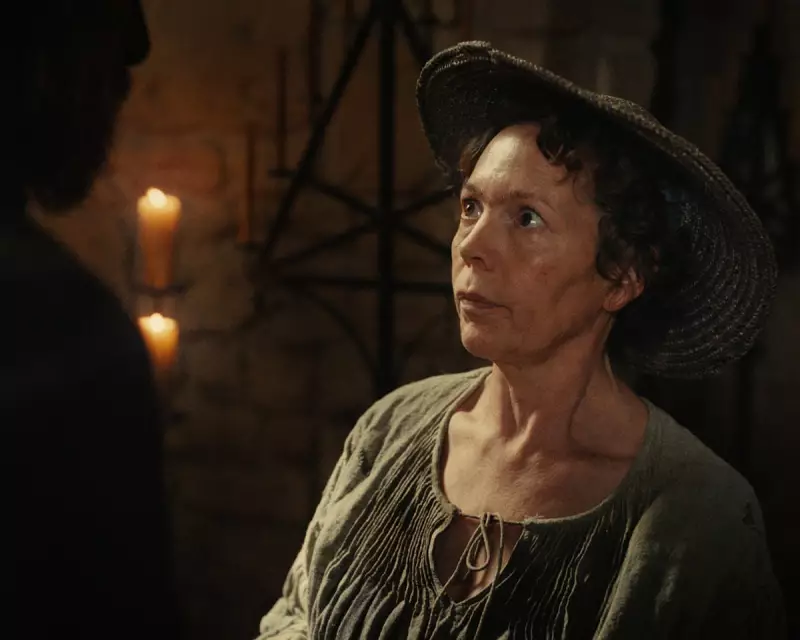
Olivia Colman takes on a strikingly unconventional role in the Sundance film festival entry Wicker, playing a smelly spinster fisherwoman who commissions herself a husband made entirely of wicker. This offbeat fable, directed by Alex Huston Fischer and Eleanor Wilson, boasts an eye-catching premise and a typically committed performance from the Oscar-winner, but struggles to find a consistent tone or emotional depth.
A Bold Premise with Mixed Execution
In a festival lineup filled with attention-grabbing concepts, Wicker stands out for its sheer audacity. The story follows Fisherwoman, a character whose pungent odour and unmarried status are constant topics of gossip in her traditional village. Tired of societal pressures, she approaches the local basket-maker, played by Peter Dinklage, to craft her a wicker husband. A month later, her creation arrives, portrayed by Alexander Skarsgård in impressively rendered wicker form.
Ambitious World-Building
The film establishes an intricately constructed fantasy world that blends archaic customs with subtle modern touches. Like many classic fairytales, it depicts a patriarchal society where men are defined by their professions while women are identified through their relationships to husbands. Wedding rituals involve men placing collars rather than rings on their wives, emphasising themes of control and submission.

Fisherwoman's refusal to conform throws this community into disarray. Her decision to become her own breadwinner and commission a spouse challenges established gender roles, provoking mixed reactions from villagers. Elizabeth Debicki delivers a compelling performance as the queen bee whose horror at Fisherwoman's rebellion masks underlying jealousy and perhaps even arousal.
Performance Strengths and Narrative Weaknesses
Olivia Colman brings her signature commitment to this challenging role, oscillating effectively between broad comedy and heart-wrenching drama. Few contemporary actors could make such an unconventional character feel believable, and Colman's dedication helps ground the film's more fantastical elements. Her breakdown scene, where she explains the difficulties of sharing a previously solitary life, stands out as particularly powerful.
Missed Emotional Opportunities
Despite strong performances, Wicker struggles to develop its central relationship meaningfully. The early scenes between Fisherwoman and her wicker husband focus predominantly on comically vigorous sexual encounters rather than emotional connection or character development. While the film raises intriguing questions about agency, desire, and manufactured relationships, it fails to explore them with sufficient depth.
The wicker husband remains largely enigmatic throughout, defined primarily by his blind devotion rather than any discernible personality or internal life. When conflict emerges through soap-operatic plot developments, the emotional stakes feel underdeveloped. Viewers may find themselves comparing this relationship unfavourably to more successful fantastical romances like The Shape of Water, which managed to create profound connection between seemingly incompatible beings.
Directorial Vision and Festival Context
Directors Fischer and Wilson, previously known for alien invasion comedy Save Yourselves!, demonstrate admirable ambition in their world-building and thematic exploration. They use their bizarre premise to comment on patriarchal marriage structures and societal expectations, achieving moments of genuine insight. The visual effects work deserves particular praise for making Skarsgård's wicker form both handsome and believable.
However, the film suffers from tonal inconsistency, awkwardly blending unfunny bawdy humour with dark fantasy elements and unconvincing romance. Like the perfect husband at its centre, Wicker looks impressive superficially but lacks substance beneath its carefully crafted exterior. It represents another intriguing but flawed entry in Colman's recent Sundance appearances, which have ranged from acclaimed drama The Father to less successful ventures like Jimpa.

While Wicker offers more than mere shock value through its examination of gender roles and societal rebellion, its narrative and emotional shortcomings prevent it from achieving the impact its premise promises. The film serves as a reminder that even the most inventive concepts require coherent execution and genuine emotional investment to truly resonate with audiences.