Peaky Blinders Film Accused of Distorting History for Populist Appeal
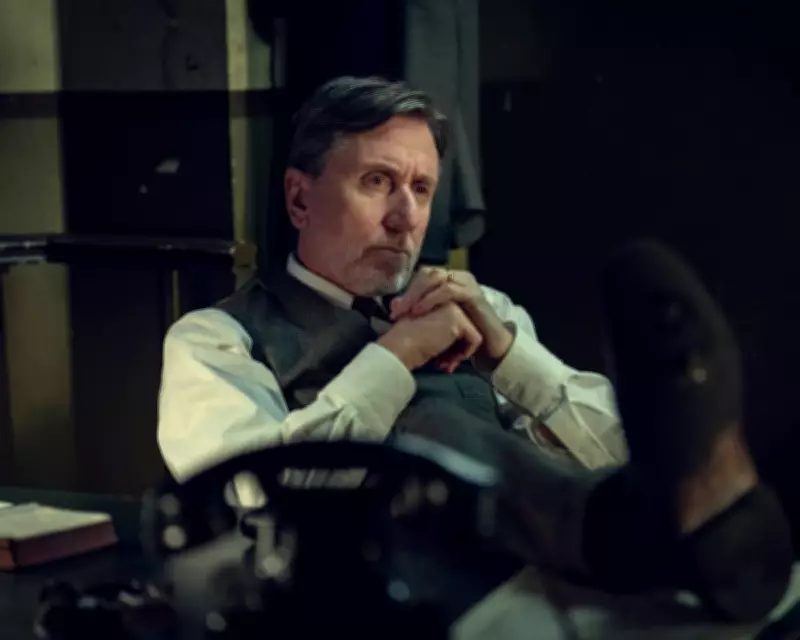
In the new Peaky Blinders film, The Immortal Man, actor Tim Roth portrays John Beckett, a British Nazi character. This figure is based on a real historical person: John Beckett, a former Labour MP who co-founded Britain's first Nazi party in 1937 alongside William Joyce. However, according to Francis Beckett, the biographer and son of the real John Beckett, the film's depiction bears no resemblance to reality. He argues that this is part of a broader trend in popular cinema that creates harmful populist myths about World War II, especially as society faces renewed fascist threats in 2026.
Historical Inaccuracies in Character Portrayal
The film's John Beckett is depicted as a villainous figure who enjoys killing and plots treasonous acts to aid Germany in November 1940. Francis Beckett asserts that his father would never have uttered such lines or devised complex schemes to undermine the British economy. By that time, the real John Beckett was imprisoned in Brixton under wartime regulations, having been detained without trial. While the film-makers might claim they are crafting drama rather than history, Beckett emphasizes that these distortions matter because they contribute to a post-truth culture where factual accuracy is increasingly disregarded.
Broader Trend of Populist Myths in War Films
This issue extends beyond Peaky Blinders. For instance, the 2017 film Darkest Hour was criticized for a fictional scene where Winston Churchill interacts with working-class Londoners on the tube, portraying an idealized version of British resilience. Historical records, such as Mass Observation data, suggest public sentiment was more critical and defeatist. Similarly, the film misrepresents Churchill's support during the war, attributing it to King George VI instead of Labour leaders Clement Attlee and Arthur Greenwood, who played crucial roles.

Other examples include the 2025 film Nuremberg, which fabricates a dramatic moment where a Jewish soldier comforts Nazi Julius Streicher before his execution, despite no such event occurring. The King's Speech (2010) simplifies the abdication crisis, omitting Churchill's initial support for Edward VIII to remain king. These films often prioritize dramatic effect over historical truth, aligning with perceived populist sentiments rather than factual narratives.
Why Historical Accuracy Matters Today
Francis Beckett warns that in a post-truth world, where figures like Donald Trump manipulate facts for political gain, it is essential to confront history honestly. Creating heroic myths, as seen in these films, can distort public understanding and weaken societal resilience against modern fascism. He notes that the real John Beckett, while a fascist and antisemite, was not the one-dimensional villain portrayed in Peaky Blinders. By using his father's name without accuracy, the film blurs the line between fiction and reality, potentially misleading audiences.
Ultimately, Beckett argues that truth can be as dramatic as myth, but film-makers often choose narratives that resonate with populist trends. This trend risks eroding critical historical awareness, making it imperative for media to uphold accuracy, especially in times of rising far-right ideologies.