Peaky Blinders: The Immortal Man Delivers Cinematic Thrills With a Questionable Purpose
By order of extremely eager fans, Peaky Blinders: The Immortal Man storms back onto screens with a Netflix-sized budget for this feature-length continuation. The film brings back all the trademark elements that made the series iconic: sharp suits, edgy music, and that unmistakable Birmingham swagger. As promised, the spotlight remains firmly on Cillian Murphy's legendary gang leader Tommy Shelby, while also introducing the next generation of the Peaky Blinders family.
A Bridge Between Eras With Mixed Necessity
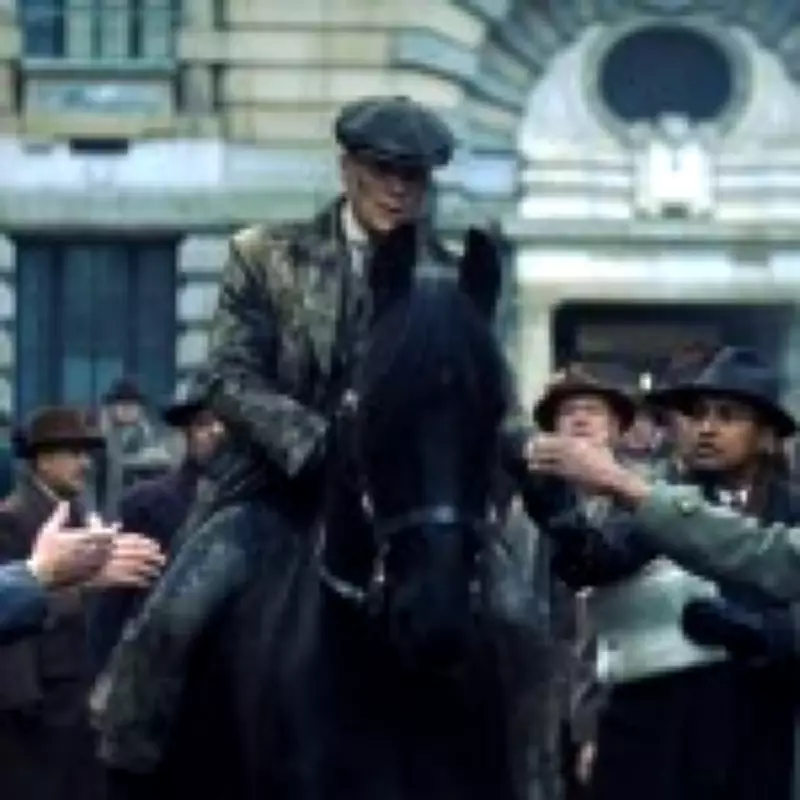
There's an undeniable feeling that this cinematic coda wasn't strictly necessary for the overall narrative. The film certainly bridges the gap for further television plans set in the 1950s, but many viewers had no quibble with Tommy riding off on his horse to an unknown future at the conclusion of season six. However, what the film delivers is something both new and thoroughly engrossing, picking up the story in 1940 as the United Kingdom finds itself in the throes of the Second World War.
The narrative cleverly intertwines with real historical events, particularly focusing on the Nazis' plan to destabilize the British economy by flooding it with millions in counterfeit currency. The opening scene at Sachsenhausen concentration camp immediately establishes this new wartime era, introducing The Immortal Man's formidable fascist villain Beckett, played with chilling intensity by Tim Roth. His bombastic entrance, complete with a shocking declaration of allegiance, leaves no doubt about his dangerous intentions.

Tommy Shelby's Haunted Return
The film's wartime setting, long planned by Peaky Blinders creator Steven Knight, makes perfect narrative sense given the well-established demons from World War One that have haunted Tommy and his companions since the series debuted on BBC in 2013. We find Tommy a shadow of his former self, living in near-squalor in a stately home as he writes his memoirs, increasingly haunted by past memories and sinking deeper into an opium-induced fugue.
With only Johnny Dogs (played by Packy Lee) for company—described by Tommy as "cursed" to be the last man on earth still working for him—the Peaky Blinders' ranks have significantly dwindled in the intervening years. We discover that Tommy withdrew from leadership following the death of his brother Arthur (Paul Anderson). Sister Ada (Sophie Rundle) now serves as the family's Member of Parliament, forcing her way into Tommy's isolation to warn him that his oldest son Duke (Barry Keoghan, taking over from Conrad Khan's season six role) is causing chaos in Small Heath and running the Peaky Blinders "like it's 1919 all over again, worse than you or Arthur ever were."
The Next Generation's Dangerous Path
Indeed, we witness Duke and his crew stealing weapons from the Birmingham Small Arms Company factory—weapons meant for the frontline—while reveling in violent chaos completely unhindered. They've intimidated the police into registering them as "special volunteer constables," giving them dangerous freedom. Keoghan brings a sinister, slightly unhinged energy to Duke, portraying an illegitimate son desperately trying to surpass the legacy of a father who barely acknowledges his existence.
Into this emotional void steps Roth's Beckett, a dangerously calm and manipulative figure who uses the Peaky Blinders' new generation to help distribute counterfeit money and potentially decide the war for Germany. Duke lacks the strong personal ethics that always seemed to excuse some of his father's most violent acts, allowing the gang to run completely rampant under his leadership.
Mysterious Connections and Family Drama
Meanwhile, Tommy receives a visit from mysterious Romany medium Kaulo (Rebecca Ferguson), who reveals herself as the sister of Duke's mother Zelda. She urges Tommy to reconnect with his son after learning about his dangerous new alliances. While Ferguson possesses the mystique to pull off this role, the connection between her character and Tommy feels somewhat far-fetched and hazy, with their link via Duke coming across as slightly clumsily forced by the script. Despite this awkward connection, Ferguson proves well-cast as a new power player in the expanding Peaky cinematic universe.

The Return of the King
When Tommy finally decides to return from his self-imposed exile, fans are treated to a stylish montage of him reclaiming his famous look. However, this pales in comparison to the slightly vicious sense of gratification viewers will experience when he reasserts his authority at The Garrison pub among a new clientele that fails to recognize and respect him in truly explosive fashion.
The confrontation between Duke and Tommy, when it finally arrives, delivers a satisfyingly squelchy scrap in a pig pen as they slug it out in one of The Immortal Man's best scenes. The painful subtext remains crystal clear from two fine actors despite the considerable amount of mud and manure surrounding them.
Cinematic Climax and Loyalty Tests
With a proper cinematic budget behind it, The Immortal Man builds to a substantial climax where loyalties are severely tested as Tommy attempts to derail Beckett's plans for the sake of his son, his gang, and his country. The film also features a welcome return for Stephen Graham, who always delivers compelling performances, here playing Liverpudlian warehouse manager Hayden Stagg.
In The Immortal Man, Murphy reminds audiences exactly how he made Tommy Shelby one of the most sympathetic anti-heroes in modern television history, donning that flat cap (and the quiet Birmingham twang) once more with effortless ease. The film is largely well-structured by Knight, who resists overly complicating the plot simply because he has a longer running time at his disposal. It should certainly please fans ready to bid farewell to the original generation of the Peaky Blinders in appropriate style.
Final Verdict
Cillian Murphy's television icon Tommy Shelby commands the big screen just as effectively in this explosive movie sequel that smoothly melds historical events with the drama series' own established lore. While it may not represent appointment viewing for everyone, The Immortal Man stands as a solid film in its own right, delivering the gritty atmosphere and complex character dynamics that made the original series so compelling.
Peaky Blinders: The Immortal Man arrives in UK and US cinemas from Friday, March 6, 2026, and streams exclusively on Netflix beginning March 20, 2026.