Sentimental Value: The Quiet Powerhouse in the Oscar Race
In a best picture lineup bursting with ambitious concepts and bold cinematic swings—from Trump-baiting sagas to alien-invasion conspiracies, motorsport epics, and Shakespearean adaptations—Joachim Trier's Sentimental Value might initially seem like the least essential nominee. However, this Danish-Norwegian family saga proves to be a masterclass in grownup filmmaking, outshining its competitors with emotional richness and exceptional performances.
A Sprawling Family Epic with Cinematic Depth
From its deceptively familiar premise, Trier crafts a grand narrative that spirals across decades and generations, intertwining a family drama with a meta-commentary on moviemaking. The film churns with Bergman-esque emotional intensity, yet tackles heavy themes with the springiness and playfulness reminiscent of Trier's previous work, The Worst Person in the World. Unlike other nominees, Sentimental Value serves as a formidable showcase for acting, featuring four meaty roles that have earned Oscar nominations for its leads.
Complex Characters and Familial Tensions
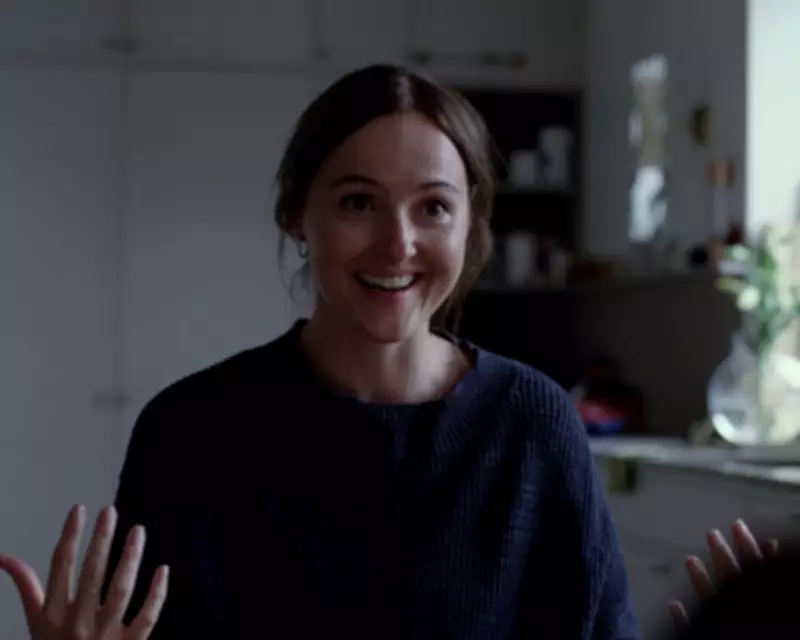
Renate Reinsve delivers a compelling performance as Nora, a Norwegian stage and TV actress grappling with paralyzing stage fright and a fractured relationship with her father, Gustav, played with bearish charm by Stellan Skarsgård. Gustav is a swaggering yet faded director and absent alcoholic, whose return at their mother's wake disrupts Nora and her sister Agnes's lives. Agnes, portrayed by Inga Ibsdotter Lilleaas, is an academic and former child star who harbors less overt resentment toward their father.

Gustav proposes that Nora star in his likely final film, a project based on his mother's suicide during the Norwegian resistance movement. When Nora refuses, Hollywood starlet Rachel Kemp, played by Elle Fanning, steps in, bringing crucial Netflix funding. The film's production is set in the family's wood-paneled townhouse, which Gustav still owns due to a legal technicality, adding to Nora's frustration.
The House as a Central Character
The magnificent townhouse, first featured in Trier's 2011 film Oslo, August 31st, serves as the film's show-stopping special effect. Clad in slightly menacing mahogany and rust, it stands unchanging through history—from Nazi occupation to sixties parties and Nora's difficult childhood. A large crack in its side symbolizes deep familial fissures, making it a place filled with both warmth and pain. Its eventual dull renovation into a McMansion-style kitchen adds a layer of heartbreaking nostalgia.
Exploring Art and Personal History
Sentimental Value delves into complex questions about art and personal trauma. Gustav's production, while appearing as a vanity project, becomes a reckoning with his mother's suicide and its cost to his daughters. The film teases out ethical dilemmas: Should everything be copy, or are there limits to drawing art from painful history? It also critiques Netflix and an industry often wary of depth, with Trier aiming pointed digs at superficial storytelling.
A European Answer to Hollywood's Gaps
As Hollywood Reporter's Scott Roxborough noted in a Guardian piece on the rise of the European Film Awards, "Hollywood has stopped making movies for adults, with a few exceptions. That leaves room for the Europeans, who only make films for adults." Sentimental Value leads this charge—a European film largely not in English that has garnered as many Oscar nominations as blockbuster contenders like Marty Supreme and Frankenstein. It may lack whizzes and bangs, but it offers raw, real, and satisfyingly grownup cinema, making it a deserving contender for the best picture Oscar.