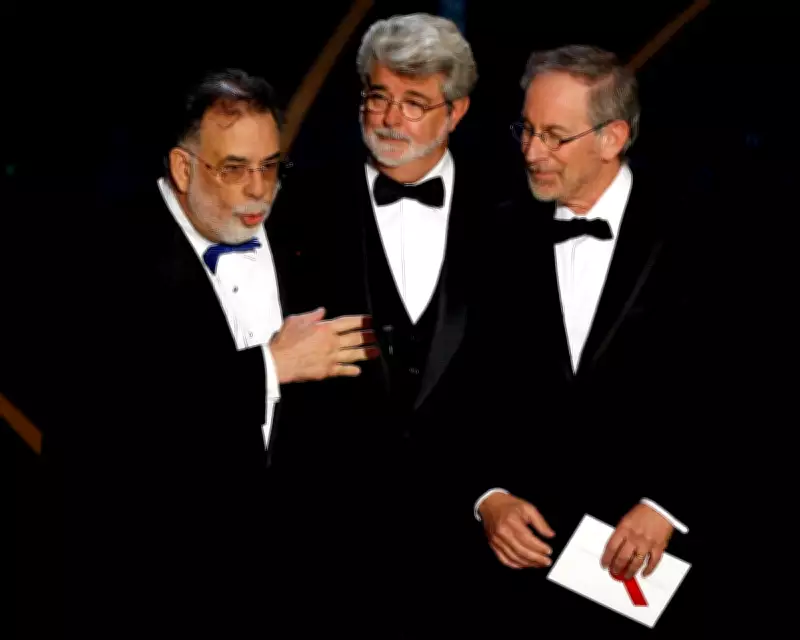
The Last Kings of Hollywood: An Epic Tale of Spielberg, Lucas, and Coppola
In the annals of American film-making, few eras shine as brightly as the New Hollywood movement of the 1960s and 1970s. Paul Fischer's latest book, The Last Kings of Hollywood, delves deep into this transformative period, focusing on three titanic figures: Steven Spielberg, George Lucas, and Francis Ford Coppola. This epic account chronicles their rise from ambitious film school graduates to demigods of the silver screen, forever altering the landscape of cinema.
The Rise of Three Demigods
On November 16, 1977, a private jet carried Spielberg, Lucas, and Coppola from Los Angeles to Washington D.C. for a White House reception hosted by President Jimmy Carter. At ages 30, 33, and 38 respectively, they were already global icons. Fischer uses Eleanor Coppola's diary entries to paint a vivid picture of this journey, revealing how these directors, despite their staggering success, felt dizzied and even depressed by their acclaim.
By this time, Coppola had cemented his legacy with The Godfather and its sequel, legitimizing the franchise model. Spielberg had revolutionized the industry with Jaws, inventing the event movie, and was poised to release Close Encounters of the Third Kind. Lucas, meanwhile, was on the brink of box office supremacy with Star Wars, a film that would redefine sci-fi and popular culture.

Visionaries and Predictions
Lucas, often the enigmatic prophet of the trio, baffled his peers with futuristic musings. At the White House, he predicted that laser discs and cassettes could destroy feature films, foreshadowing today's short-form content culture. On the set of Indiana Jones and the Temple of Doom, he pointed to a straw and declared that all media would one day flow through similar devices. His sale of Lucasfilm's graphics division to Steve Jobs in 1986 underscored his commitment to turning these visions into reality.
Yet, as Fischer notes, Lucas's dedication to his Star Wars universe left him seemingly unable to direct outside it, while Spielberg and Coppola continued to produce diverse works. Spielberg's filmography expanded with masterpieces like Schindler's List and Minority Report, while Coppola ventured into projects such as Apocalypse Now and the ambitious Megalopolis.
The Quest for Independence
A unifying thread among these directors was their yearning for indie freedom. Coppola's Zoetrope Studios became a chaotic, creative hub, reminiscent of a Renaissance court. In contrast, LucasFilm operated as a tight ship focused on technological innovation and profitability. Spielberg's DreamWorks, though less storied, represented his own bid for autonomy.
Fischer also highlights the exclusion faced by female colleagues, such as screenwriter Nancy Dowd and producer Dawn Steel, underscoring the sexism that pervaded the industry. Meanwhile, the directors themselves grappled with personal challenges: Coppola and Scorsese as Italian-American immigrants, Lucas with depression and possible autism, and Spielberg with antisemitism.
Legacy and the Bigger Picture
Fischer's book is a meticulously researched and engaging read, praised for its fan-like enthusiasm. However, it risks missing the broader historical context. While it details the trio's battles for Hollywood's soul, it largely overlooks pivotal events like the failure of Heaven's Gate, which ended the 1970s golden age by crashing United Artists and curbing executive indulgence of directors.
In the end, Spielberg emerged as the master of mainstream American cinema, Lucas as the franchise godhead, and Coppola as the indie purist who financed his own films through ventures like winemaking. The Last Kings of Hollywood offers a compelling portrait of these icons, but leaves readers pondering the larger forces that shaped their reign.