The Capture Returns: Deepfake Thriller Mirrors Real-World AI Surveillance Fears
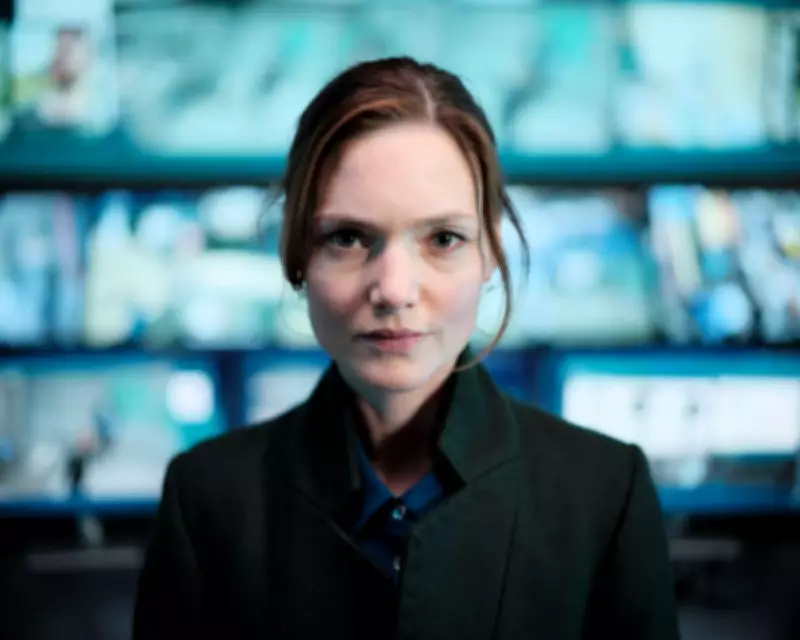
In a world increasingly dominated by unreliable digital imagery and opaque online systems, the BBC's superlative conspiracy thriller The Capture has returned with its third season at a remarkably timely moment. The drama, starring Holliday Grainger as the brilliant but abrasive Metropolitan police officer Rachel Carey, continues to explore the dark implications of deepfake technology and digital manipulation in ways that increasingly mirror our modern reality.
Real-World Parallels in Digital Deception
Just last month, a disturbing incident in Southampton highlighted the very issues The Capture dramatizes so effectively. Police arrested a man based on automated facial recognition software that allegedly matched him to a burglary suspect from Milton Keynes, despite the two individuals sharing only their south Asian heritage while differing significantly in age and appearance. One had a beard while the other did not, yet the algorithm failed to distinguish between them.
Fans of the BBC thriller might have recognized this scenario as eerily familiar territory. While The Capture deals with larger conspiracies than one unfortunate individual spending time in a cell unjustly, the drama exists in precisely this world bedevilled by unreliable digital systems. Every day brings new parallels, whether it's questionable data firms securing government contracts or social media feeds overflowing with AI-generated content that challenges our perception of reality.

The Evolution of a Conspiracy Thriller
For those needing a refresher, The Capture began with a seemingly straightforward premise: CCTV footage on a London street clearly showed a man committing a crime that viewers knew he hadn't actually committed. Rachel Carey, a Metropolitan police high-flyer with a sharp mind and skeptical nature, uncovered the existence of "correction" - a practice using deepfake technology to bypass due process and incriminate those deemed enemies of the state.
Season two escalated the stakes dramatically, with even more sophisticated deepfakes deployed to falsify entire live television interviews featuring government minister Isaac Turner, played by Paapa Essiedu. This manipulation formed part of a grand scheme to influence the electorate, with Carey teaming up with withering Newsnight presenter Khadija Khan, portrayed by Indira Varma, to expose both "correction" and the complicity of SO15, the Met's elite counter-terror unit.
New Season, New Challenges
Now, a year later, the landscape has shifted significantly. Isaac Turner has ascended to Home Secretary and eyes the Prime Minister's office, while Khadija Khan continues her forceful presence in the Newsnight studio, railing against BBC executive conservatism and delivering the script's sly media commentary. Most importantly, with her former superiors disgraced, Rachel Carey has become Acting Commander Carey and now leads SO15 itself.
In this post-correction era where citizens understand that videos can be fabricated and even live footage might be deceptive, Carey's mission has transformed. Rather than employing correction techniques, she now leads the fight against them. The season three opener introduces a new technological innovation: the "Carey cam," which successfully thwarts a Russian black-ops agent arriving at Heathrow equipped with a smartphone device that manipulates airport-security cameras in real time to display a face that isn't his.
The Carey cam's effectiveness stems from its dual-lens design, with one lens deliberately disconnected from the internet to prevent remote access and manipulation. This technological countermeasure represents the show's continued evolution in addressing emerging surveillance threats.
Conspiracy Thriller Mechanics and Real-World Relevance
An effective conspiracy thriller must always remain several steps ahead of its audience, and The Capture achieves this through both traditional plotting techniques and its engagement with contemporary technological anxieties. Writer Ben Chanan, who has penned every episode and directed the first season despite a previously limited CV, delivers twists that arrive too swiftly for prediction while managing an ensemble of compelling characters with expertly marshalled agendas.

Beyond its narrative mechanics, The Capture must continuously advance its real-world contextual relevance. Beginning with straightforward warnings about deepfake technology, the series expanded to explore how data-collecting machines at sufficient scale might understand the world better than humans. The new season continues this trajectory, with Carey and her team once again confronting video feeds that deceive them, including a particularly scintillating sequence featuring a villain who has hacked into building CCTV systems to achieve near-omniscient awareness.
The season three opener concludes with genuinely outrageous surprises that amplify both our terror at being unable to trust our own perception and the classic conspiracy-thriller sensation that the determined hero remains outgunned. The Capture maintains its position as a dystopian vision that feels increasingly plausible with each passing technological development.
As digital manipulation becomes more sophisticated and surveillance technologies more pervasive, The Capture serves as both entertainment and cautionary tale, reminding viewers that in an age of deepfakes and algorithmic bias, seeing should not always mean believing.