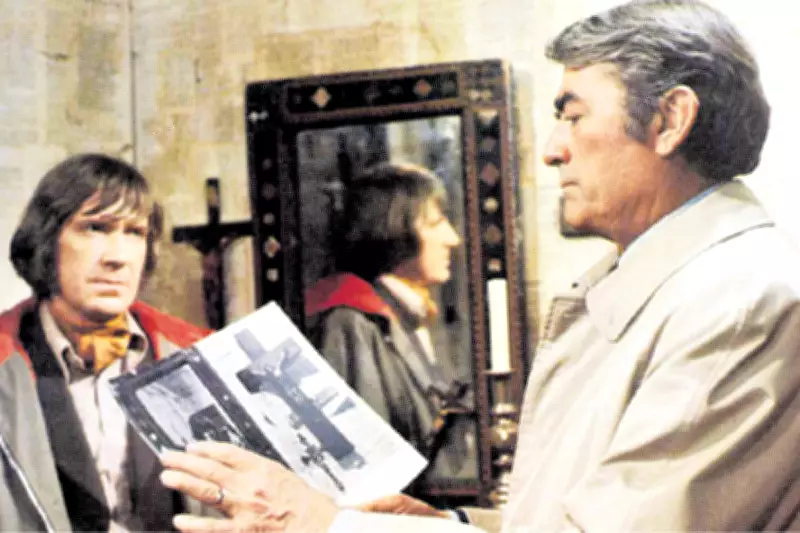
Tuesday 17 March 2026 marks a significant milestone in cinematic history as The Omen celebrates its 50th birthday. For many outside dedicated horror circles, this film exists in that peculiar space of cultural memory—a movie people believe they've seen, recognizing iconic snippets like Gregory Peck's stern demand, "What do you know about my son?" Yet, half a century after its release, The Omen retains a chilling power that continues to unsettle audiences.
A Bleak Supernatural Thriller Born in the 1970s
The film presents a stark narrative featuring Gregory Peck as Robert Thorn, an American diplomat who discovers his adopted son Damien is literally the offspring of Satan. Emerging during a wave of 1970s supernatural cinema inspired by Roman Catholic themes, The Omen often gets grouped with classics like The Exorcist (1973), Don't Look Now (1973), and Carrie (1976). However, its unique blend of psychological dread and theological horror carved its own distinct place in the horror canon.
Mixed Initial Reception and Lasting Legacy
Upon its June 1976 debut, critical opinions varied dramatically. The New York Times dismissed it as "dreadfully silly" while acknowledging competent pacing. NBC's Gene Shalit bluntly labeled it "a piece of junk." Perhaps most telling was Tom Shales' assessment in The Washington Post, describing it as "probably the classiest Exorcist copy yet." Despite these mixed reviews, The Omen has demonstrated remarkable longevity, maintaining its ability to disturb viewers across generations.

Why The Omen Still Unsettles After Five Decades
What makes this film endure when so many cultural references and cinematic techniques from 1976 feel dated? The answer lies in its fundamental approach to horror. While many films rely on shock, gore, or jump scares that provoke temporary reactions, The Omen cultivates something deeper—a visceral, instinctual discomfort that lingers far beyond the closing credits.
The Power of a Bleak, Uncompromising Ending
Crucial to this effect is the film's refusal to offer comforting resolution. In the devastating conclusion, Ambassador Thorn's attempts to save his family prove futile. His wife dies, the eccentric priest warning him meets a gruesome end, and Thorn himself is shot by police while trying to exorcise Damien. The final image—Damien smiling malevolently beside the President of the United States—reinforces the film's unrelenting pessimism. This isn't horror with catharsis; it's horror that leaves you feeling fundamentally unsafe.
British Settings and Performances That Amplify Dread
For British audiences particularly, the horror gains potency from its familiar locations. Shot primarily in London and the Home Counties during the winter of 1975-76, the film transforms ordinary English landscapes into landscapes of terror. Bishops Park in Fulham, All Saints' Church by Putney Bridge, Northwick Park Hospital in Harrow, and St. Peter's Church in Staines become stages for supernatural violence, undermining our assumptions about safety in everyday environments.
The British acting ensemble elevates the material significantly. Patrick Troughton, fresh from Doctor Who, delivers an unnerving performance as the doomed Father Brennan. Billie Whitelaw maintains a terrifyingly thin veneer of normalcy as the sinister housekeeper Mrs. Baylock. David Warner's journey from curious photographer to horrified believer remains a masterclass in escalating dread, making his eventual decapitation particularly shocking.
A Film Greater Than Its Individual Components
While The Omen may not achieve perfection—some narrative elements feel disjointed, and it occasionally struggles to fully cohere—its individual moments possess nightmarish potency. Like fragments of a bad dream you can't shake, these scenes accumulate into an experience that transcends typical horror entertainment. As Charles Baudelaire famously observed, "The greatest trick the Devil ever pulled was convincing us he doesn't exist." The Omen's enduring power lies in making that philosophical horror feel terrifyingly immediate, even fifty years after its creation.