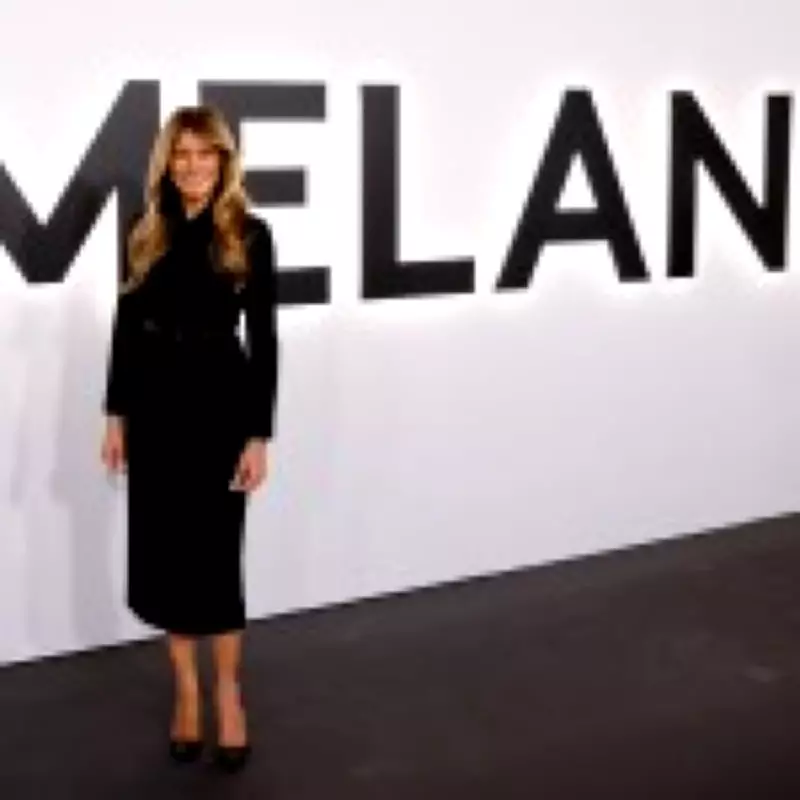
A Sparse Audience for a Controversial First Lady's Story
On a damp Friday morning in West London, I entered a Vue cinema with a ticket for 'Melania', the much-discussed documentary offering a behind-the-scenes look at the life of the former First Lady. The foyer was eerily quiet, setting the tone for what would be a revealing cinematic experience.
Empty Seats and Soft Sales
When I asked the usher about interest in the film, he responded with a resigned shake of his head. "The media said Melania was going to be big," he remarked, though his tone suggested otherwise. "So far, not really." This initial interaction highlighted the disconnect between the film's anticipated impact and its actual reception.
Vue cinemas have diplomatically described ticket sales as 'soft', a term that perfectly encapsulates the lukewarm response on both sides of the Atlantic. Screen 18, where the screening took place, seats approximately twenty people, yet only six attendees, including myself, were present for this first showing.

The Making of a Political Project
Before its release, 'Melania' raised eyebrows for its apparent political motivations. Amazon acquired the film for a staggering $40 million before filming commenced, with an additional $35 million allocated for marketing. Melania Trump herself reportedly earned $28 million as both star and executive producer.
The project is directed by Brett Ratner, known for the Rush Hour franchise, who returns to Hollywood amidst previous allegations of sexual harassment, which he denies. Ratner's presence at a private White House screening last week further fuels speculation that this documentary serves as an attempt to curry favour with Donald Trump.
Inside the Screening Room
The small audience comprised a mix of curious viewers and fellow journalists. One attendee, a middle-aged woman, explained her interest: "We saw Hamnet last week and thought the trailer for this looked really good. And you never really hear from her, do you?"
Her companion pondered whether Melania had "drunk the Kool-Aid" regarding Trump's rhetoric. This curiosity about the enigmatic First Lady contrasted sharply with the film's execution.
A Film of Beige Proportions
'Melania' uncomfortably straddles the line between boring and bizarre. Opening scenes feature the 55-year-old boarding a Trump-adorned private plane, complete with a bobblehead of Donald Trump dressed as The Terminator, before entering the gold-encrusted Trump Tower to Michael Jackson's 'Billie Jean'.
The documentary attempts to portray Melania as a woman of precision with a "sense of fun", including a painstaking karaoke scene with Ratner. It details her meticulous work with designers on her inauguration look and preparations for the pre-inauguration dinner, which provides the film's closest approximation of jeopardy.
The Trump Dynamic
Donald Trump appears sparingly, which aligns with Melania's apparent prioritisation of aesthetics. Their relationship appears distant, primarily conducted through phone calls where Trump monologues about his achievements. The film suggests a couple focused on optics rather than substance, with Trump described as having "the emotional range and intelligence of a pork scratching".
Melania discusses wanting to develop the First Lady role and continue charitable campaigns like Be Best, which aims to tackle cyberbullying. She emphasises protecting children, a statement that feels incongruous given her husband's associations with controversial figures.
Unanswered Questions and Propaganda Concerns
Over 108 minutes, the documentary creates more questions than answers. As Melania ignores the excesses of Trump's second term – including name-calling, immigration raids, and suppression of dissent – viewers are left wondering whether she is wilfully ignorant or genuinely unaware.
The film appears less as a moral exercise and more as propaganda from the Trump administration, albeit remarkably dull propaganda. Jeff Bezos' prominent involvement, with the Amazon founder appearing in multiple shots, suggests business motivations given Amazon's government contracts.

A Collective Disappointment
As the credits rolled, one attendee grimly shook her head, declaring, "That's two hours I won't get back." This sentiment captures the film's failure to engage or enlighten. 'Melania' emerges as vacuous, empty, and devoid of emotional heft, a beige vanity project that leaves audiences questioning its purpose beyond political manoeuvring.
The true offence lies not in the film's quality but in its transparent attempt to serve political and business interests under the guise of documentary filmmaking. For UK audiences with their "heads screwed on properly", this exercise in propaganda proves as unappealing as it is unnecessary.