Undertone Review: A Disappointing Descent into Horror Clichés
The Sundance Film Festival often serves as a launchpad for innovative genre fare, but A24's latest acquisition, Undertone, stumbles in its attempt to blend audio-based terror with visual storytelling. Directed by debut filmmaker Ian Tuason, this ultra low-budget horror film follows podcasters who receive mysterious recordings, yet it ultimately feels like a patchwork of familiar tropes rather than a fresh scare.
A Familiar Swirl of Horror Influences
From its opening moments, Undertone wears its inspirations prominently, evoking comparisons to classics like Paranormal Activity, Session 9, and The Blair Witch Project. The plot centres on Eva, played by Nina Kiri, who co-hosts a horror podcast with Justin, voiced by Adam DiMarco. When they investigate ten eerie audio files documenting a couple's disturbing experiences, the film initially builds intrigue through sound design, but soon succumbs to a sense of déjà vu that undermines its potential.
Resourceful Filmmaking on a Shoestring Budget
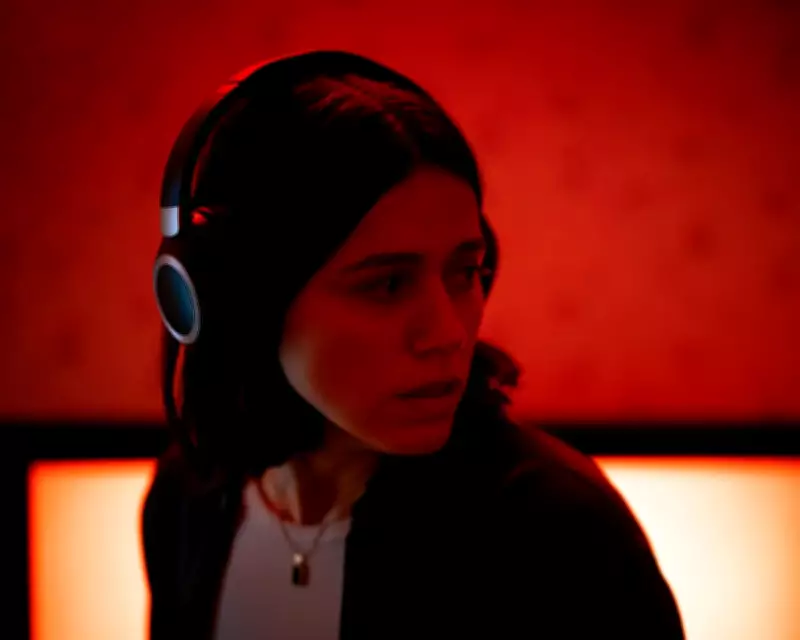
One of the film's notable strengths is its impressive use of a modest $500,000 budget. Shot entirely in Tuason's own home, Undertone relies heavily on audio to create tension, with Eva listening through noise-cancelling headphones as the camera reveals unseen threats around her. This technique effectively taps into a relatable vulnerability—the fear of what might be happening just beyond our awareness—but the execution becomes repetitive as the story progresses.

Kiri delivers a committed performance as Eva, a skeptic grappling with personal struggles, including her mother's terminal illness and possible pregnancy. Her dynamic with DiMarco's Justin echoes the Mulder and Scully rapport, adding a layer of flirtatious banter to their investigative podcast. However, the film's plot, which delves into demonic lore and child killings, often feels convoluted, with characters resorting to reading Wikipedia-like entries that drain suspense.
From Audio Tease to Visual Overload
As Undertone shifts from subtle audio horror to a chaotic third act, it loses its grip on coherence. Tuason throws everything at the screen in a Poltergeist-inspired frenzy, abandoning the earlier restraint for bombastic visuals that feel exhausting rather than frightening. The film's ending, with its ambiguous "is that it?" conclusion, leaves viewers stranded in a muddle of unscary confusion, failing to bridge the gap between the audio files' world and reality.
Despite these flaws, Undertone has proven commercially savvy, securing a seven-figure deal with A24 at the Fantasia festival and landing Tuason the Paranormal Activity reboot with Blumhouse. It serves more as a showcase of the director's potential than a standalone horror success, highlighting both his resourcefulness and the areas where his storytelling still needs refinement.
In summary, Undertone is a film that manages to feel both cluttered and empty, offering moments of effective low-budget ingenuity but ultimately drowning in a sea of horror clichés. For genre enthusiasts, it's a skippable entry in an overcrowded field, though it may hint at brighter futures for its creator.