The Rise of Verbatim Cinema: Real Words Become Dramatic Scripts
In a striking cinematic trend, filmmakers are increasingly turning to transcripts and recordings to craft powerful dramas, with the promise of delivering an exact facsimile of real events. This verbatim approach transforms actual dialogue into compelling scripts, creating a new wave of films that blur the lines between documentary and fiction.
Recent Examples in UK Cinemas
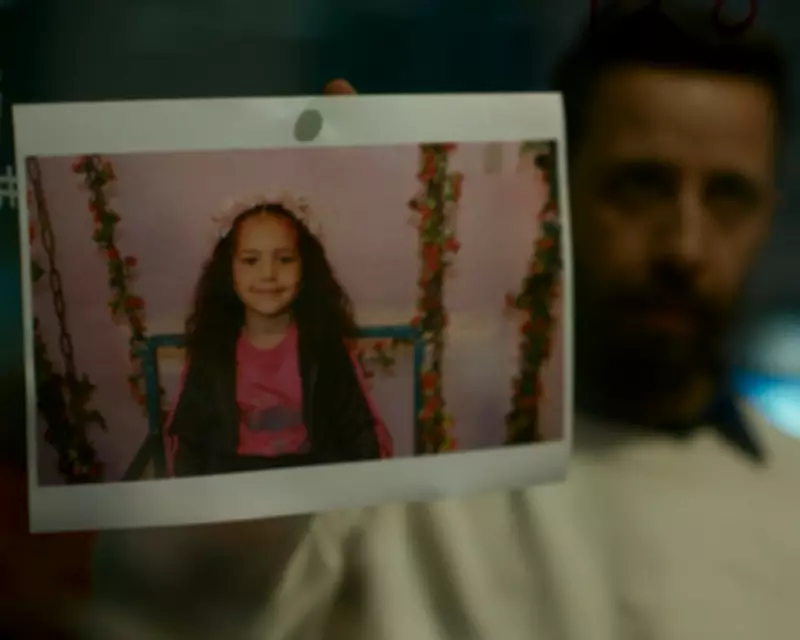
Within the space of a single month, two notable verbatim movies have arrived in UK cinemas. Peter Hujar's Day, directed by Ira Sachs, serves as a time capsule of 1974 New York, capturing candid conversations between Linda Rosenkrantz (played by Rebecca Hall) and photographer Peter (Ben Whishaw). Meanwhile, Kaouther Ben Hania's The Voice of Hind Rajab revisits the harrowing attempts to rescue a six-year-old girl during the evacuation of Gaza City in January 2024, using real emergency call centre transcripts.
Historical Precedents and Theatrical Roots
The concept of verbatim adaptation has deep roots, with the first bona fide feature film emerging as far back as 2015 with London Road. Directed by Rufus Norris and adapted from a National Theatre production, this film tells the story of community spirit following the Ipswich serial murders, using the exact words of real residents set to music. Interestingly, many verbatim films originate from theatrical productions, with the genre tracing back to the 1930s Federal Theatre Project in the US and its "living newspaper" approach to tackling pressing social issues.

The Appeal of Reality in Modern Filmmaking
As filmmakers grapple with increasingly complex current events, the verbatim style offers a powerful tool for addressing hard truths. Reality often proves stranger than fiction, and by packaging real events within dramatic frameworks, creators can cut through the noise of the news cycle. Transcripts provide ready-made dramatic potential, with speakers naturally listed "like characters in a play," as noted by director Tina Satter.
Technical Approaches and Cinematic Style
A hallmark of contemporary verbatim cinema is its use of vérité cinematography, featuring closeups, handheld cameras, and natural lighting to create immediacy and direct engagement. The Voice of Hind Rajab exemplifies this approach, combining dizzying closeups with actual recordings of the central figure. This technical style enhances the authenticity of the storytelling, allowing real voices to speak for themselves without fictional embellishment.
The Broader Documentary Landscape
The rise of verbatim films coincides with growing interest in hybrid documentaries that straddle fact and fiction. According to box office analysts Comscore, 120 documentaries and non-fiction films were released in UK cinemas in 2025, generating £8.6 million in revenue. While this represents a modest portion of the overall box office, it marks significant growth from 2001 when just four documentaries received cinematic releases.
This evolving cinematic landscape demonstrates how filmmakers are finding innovative ways to engage audiences with real stories, using verbatim techniques to create powerful, authentic narratives that resonate in our complex contemporary world.