Hook, Line, and Cinema: The Enduring Power of Boxing Films
From the earliest days of film, boxing emerged as a prime spectacle for the nascent artform, captivating audiences with its raw emotion, physical intensity, and dramatic narratives. The British Film Institute's new season, The Cinematic Life of Boxing, explores how this genre has endured for more than a century, celebrating its ability to inspire generations through stories of triumph, struggle, and societal reflection.
A Symbiotic Relationship: Film and Boxing Through the Ages
As soon as film was invented, boxing proved to be an ideal subject, helping to develop the medium while showcasing high-stakes rivalries and personal turbulence. The first sports film, a 1894 short of a six-round match, lasted only 23 seconds but left a lasting impact. Since then, countless directors have been drawn to pugilistic tales, from prize fights to amateur spars, making boxing the most cinematically rendered sport through dramas, biopics, and documentaries.
Curated by Clive Chijioke Nwonka, an amateur boxer from London, the BFI season highlights the uncompromising hunt for realism that defines the sport-film relationship. Nwonka notes that boxing films interact with human experiences like poverty, struggle, and triumph, presenting the sport as both a competition and a way of life. Unlike team sports, boxing's direct confrontation between two individuals makes its pressures and intensity easily legible on screen.

Beyond Stock Characters: Boxing as a Mirror of Society
While boxing films often feature familiar archetypes—such as the underdog fighter or shady promoter—the BFI selection emphasizes the sport as a mood music for working-class lives. Films like Fighters (1991) and Rocco and His Brothers (1960) delve into themes of family, mobility, endurance, and survival, transcending genre boundaries and resonating across time.
Moreover, boxing films frequently capture political zeitgeists. The 1974 "Rumble in the Jungle" between Muhammad Ali and George Foreman, depicted in the documentary When We Were Kings (1996), was not just a fight but a referendum on ideology during the civil rights era. This blend of sport and politics showcases how boxing narratives can reflect broader societal conflicts.
Iconic Franchises and Modern Iterations
The Rocky franchise, spanning six films and the Creed spin-off series, remains a cornerstone of boxing cinema. Nwonka describes it as quintessential boxing chum, highlighting Sylvester Stallone's determination to star in his own script, which resonated deeply with audiences. Rocky has influenced countless boxers to take up the sport, moving beyond Hollywood constraints into the real world of athletics.
Despite its stoical qualities, Rocky successfully captures the habitual experience of boxing, from self-actualization to love, while Creed brings the franchise to a new generation, fostering cross-pollination between past and present. However, the genre is not without clichés, as seen in recent failures like Christy (2025), criticized for paint-by-numbers storytelling and misguided emphasis on physical transformation over narrative depth.
Challenges and Innovations in Boxing Cinema
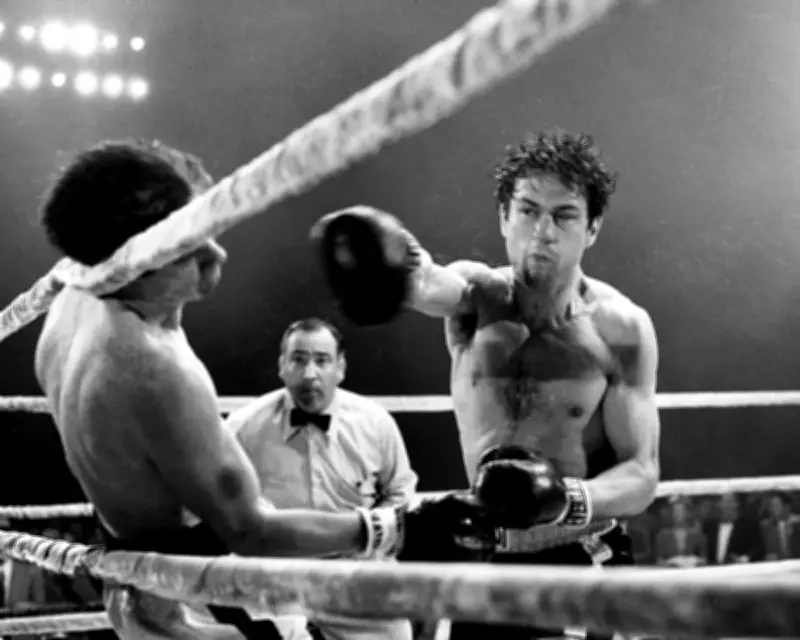
To remain fresh, boxing films must avoid assumptions about audiences and over-reliance on dramatic license. Nwonka warns against focusing too much on training montages and artificial fight scenes, which can detract from the broader life cycle of a boxer. Instead, films like Martin Scorsese's Raging Bull excel by presenting brutal, visceral fight choreography that communicates the unflinching reality of the ring.
The elasticity of boxing stories ensures their longevity, as filmmakers return to core themes: the stakes of signing up for a fight and the physical, psychological, and monetary costs of endurance. This reflection of the human condition makes boxing films universally appealing, allowing the dance between film and sport to continue reframing old contests for new audiences.
The Cinematic Life of Boxing runs at BFI Southbank from March 30 to April 30, offering a comprehensive look at this captivating genre's enduring legacy.