Why Train Dreams Should Win the Best Picture Oscar
With its meditative pace and sincere interest in moral questions, Clint Bentley's film Train Dreams possesses the air of a Hollywood classic from another era. This adaptation of Denis Johnson's novella follows a rudderless man cutting down trees in Idaho's verdant vistas, creating a cinematic experience that feels both timeless and urgently relevant.
A Film Out of Step With Our Time
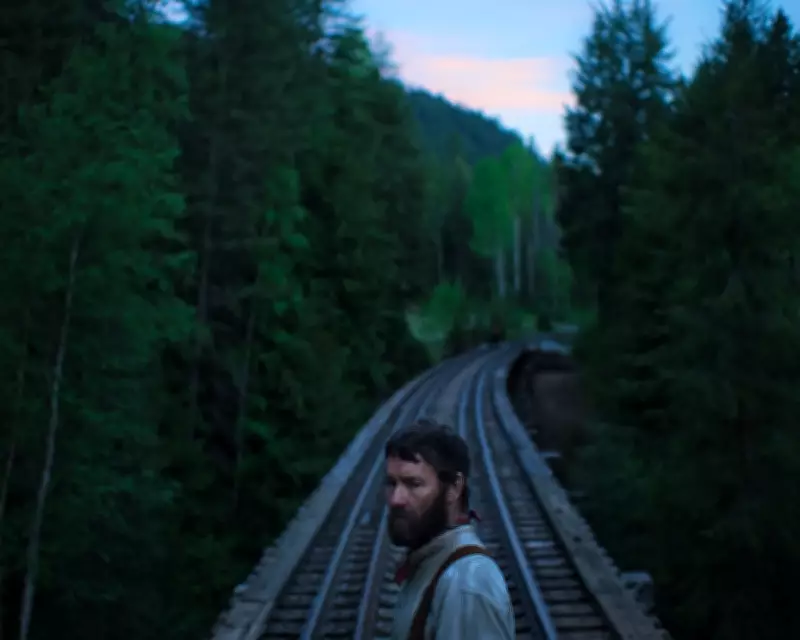
Train Dreams stands as arguably the lowest-profile of all the Oscar best film nominees. It could have easily been lost in Netflix's sprawling library if not for word-of-mouth recommendations. The film immediately establishes its classic sensibility through a kindly voiced omniscient narrator that recalls Hollywood films of the late 20th century. This narrative device drops viewers into Bonners Ferry, Idaho, in the early 1900s, introducing us to Robert Grainier, portrayed with remarkable depth by Joel Edgerton.
Robert drifts through his first two decades without much purpose before falling in love with the free-spirited Gladys, played by Felicity Jones. To support his new family, Robert takes a job as a logger, joining itinerant men including a terrific William H. Macy as Arn, a chatty explosives expert. The cinematography by Adolpho Veloso ranges across the breathtaking landscapes that Robert and his fellow loggers are systematically cutting down.

Meditative Pacing in a Frenetic World
In an era of fast cuts, frenetic pacing, and intense musical scores, Train Dreams offers a refreshingly deliberate rhythm that has drawn comparisons to the films of Terrence Malick. The gentle score by the National's Bryce Dessner complements the film's contemplative nature, allowing scenes to breathe and characters to develop organically.
What makes Train Dreams particularly anachronistic—and perhaps better for it—is its sincere interest in moral questions. This focus feels out of step with our current cinematic landscape, where empty provocations often substitute for genuine substance. The film engages with complex ethical dilemmas through Robert's experiences, particularly when he witnesses the racist murder of his Chinese colleague and friend Fu Sheng.
Moral Complexity and Human Nature
The film explores whether bad actions follow us through life, with Robert haunted by his failure to intervene during the attack. "Do the bad things we do follow us through life?" he asks Arn, who responds with nuanced wisdom about karmic justice and the indelible marks our choices leave. Arn observes, "We just cut down trees that have been here for 500 years. It upsets a man's soul whether you recognize it or not."
This interest in matters of good and evil as they pertain to the human soul feels remarkably novel in contemporary cinema. The film offers an acute character study of Robert as a drifter haunted by his failures, waiting for a grand revelation that never arrives. He only begins to gain "a faint understanding of his life" as it starts "slipping away from him."
A Unique Perspective on Humanity
One particularly striking scene illustrates the film's philosophical depth. The camera adopts the perspective of ancient trees looking down on human conversations, reducing people to ant-like figures scurrying about, trying to make meaning of their limited time on Earth. This visual metaphor encapsulates the film's broader meditation on humanity's relationship with nature, time, and moral responsibility.
Train Dreams represents precisely the kind of cinema that many viewers feel has become increasingly rare—films that trust their audience's intelligence, embrace moral complexity, and move at a pace that allows for genuine reflection. In a landscape crowded with hype and empty provocations, Bentley's film stands as a testament to the enduring power of thoughtful, character-driven storytelling.