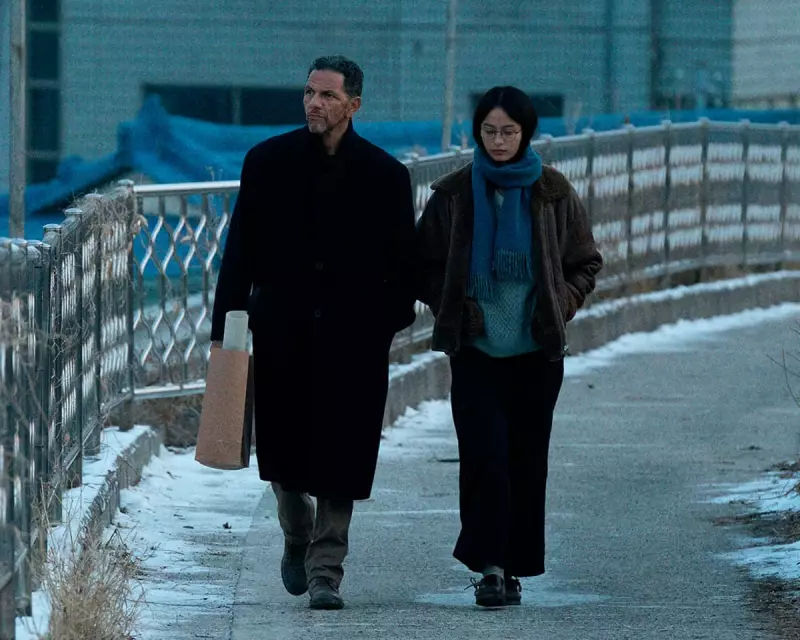
In the haunting coastal city of Sokcho, where North Korea looms just miles away, a new cinematic gem unfolds with deliberate, mesmerising grace. Winter in Sokcho emerges as a masterclass in atmospheric storytelling that lingers long after the credits roll.
A Border Town's Silent Tensions
Based on the acclaimed novel by Elisa Shua Dusapin, this French-South Korean co-production transports viewers to a world where political boundaries mirror emotional divides. The film follows a young French-Korean woman returning to her hometown, where frozen landscapes and empty hotels create a palpable sense of isolation.
Intimacy Forged in Isolation
What begins as a simple family visit transforms into a profound exploration of connection. The protagonist's encounter with a mysterious guest at her mother's guesthouse sparks an unexpected intimacy that challenges both characters' understanding of identity and belonging.

The cinematography serves as a silent character in itself, with sweeping shots of Sokcho's wintery beaches and quiet streets amplifying the film's meditative pace. Every frame feels carefully composed, inviting audiences to lean into the quiet moments rather than rush through them.
More Than Meets the Eye
Beneath its serene surface, Winter in Sokcho simmers with unspoken tensions—both personal and political. The border city setting becomes a powerful metaphor for the emotional barriers we construct and the courage required to cross them.
This isn't a film for those seeking fast-paced action or neatly resolved plots. Instead, it rewards patient viewers with rich character development and subtle emotional payoffs that feel earned rather than manufactured.
A Testament to International Collaboration
The production stands as a shining example of cross-cultural filmmaking, blending European sensibilities with Korean storytelling traditions to create something truly unique. The result is a cinematic experience that transcends language and cultural barriers.
For audiences weary of formulaic Hollywood productions, Winter in Sokcho offers a refreshing alternative—a thoughtful, beautifully crafted film that proves sometimes the quietest stories leave the loudest echoes.