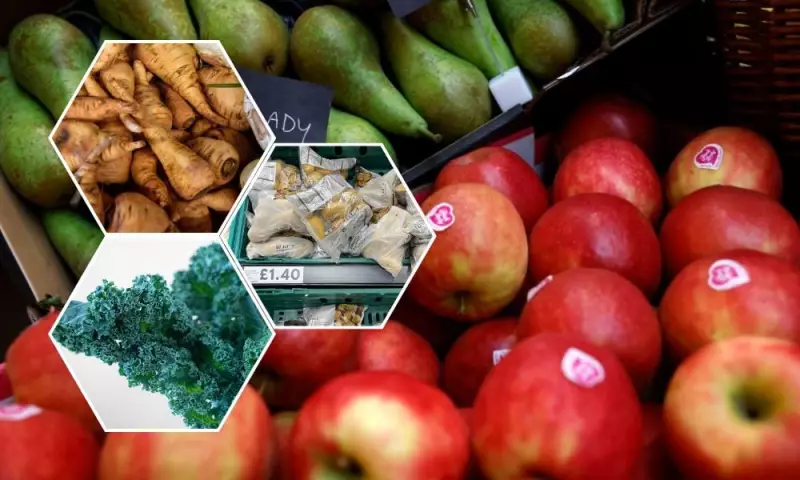
As the nights draw in and temperatures drop, the UK's culinary scene is shifting towards comforting, earthy flavours. According to the National Trust's seasonal food guide, November marks the peak time for a host of tasty and nutritious home-grown produce, perfect for warming soups, stews, and roasted dinners.
What's on the Seasonal Menu This November?
The National Trust highlights that root vegetables are amongst the most abundant offerings this month, describing them as the perfect ingredients for all kinds of recipes. While the abundance of late summer fruits has passed, there is still a impressive variety of fresh produce coming into season.
The following fruits and vegetables are ready to buy or harvest throughout November:

- Apples
- Carrots
- Cabbages
- Cauliflower
- Kale
- Leeks
- Parsnips
- Pears
- Potatoes
This list showcases a strong showing from the brassica family, known for its nutritious leafy greens, alongside classic autumnal fruits that are still going strong.
Why Choosing Seasonal Food Helps the Planet
Experts emphasise that eating with the seasons is a powerful way to reduce your pantry's carbon footprint. The National Trust explains that seasonal produce is more likely to be grown locally, which significantly cuts back on food miles.
Food miles refer to the distance food is transported from producer to consumer. Guidance from Hampshire County Council warns that supermarket food is travelling from further away than ever to meet demand for year-round availability.
Air freight creates around ten times more carbon emissions than road transport, making it a major contributor to climate change. Furthermore, reduced transport needs often mean less plastic packaging is required.
The environmental impact doesn't stop at transport. Growing produce out of season often requires higher energy usage to create artificial microclimates. This can involve providing additional heat and using electrical irrigation systems. For example, growing tomatoes in a heated greenhouse in December demands far more energy than growing them in their natural summer season.
By opting for seasonal, locally-grown fruits and vegetables, consumers can enjoy produce at its peak flavour while making a more sustainable choice for the planet.