From Airline Snack to Social Media Stardom: The Biscoff Phenomenon
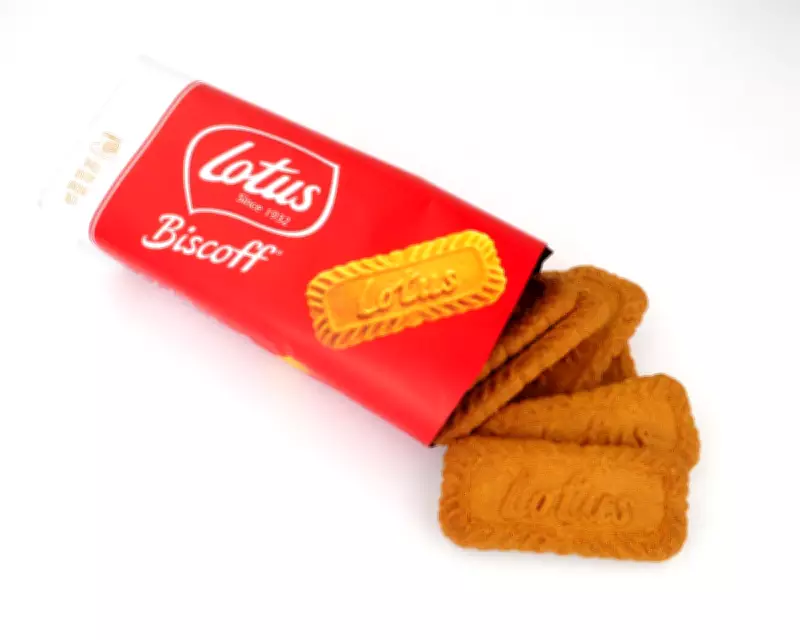
Around fifteen years ago, Ashley Markle encountered a small, plastic-wrapped biscuit for the first time at her aunt's house, served alongside a morning coffee. "I'd never seen them before," Markle recalls. "It was a warm flavor that I'd never really had in a cookie. I'm like, what is this?" Her aunt had discovered Biscoff as an airline snack and loved it so much she contacted the Belgian manufacturer, Lotus, to ship a box to the United States. At that time, Markle believes her aunt was likely the only person in the U.S. with a personal stash. Fast forward to today, and Biscoff has transformed into a social media juggernaut, with viral recipes ranging from cheesecakes to milkshakes captivating millions online.
The Evolution of a Biscuit Brand
Created in 1932, the spiced caramel biscuit has been described as a "Gen Z obsession" by major publications. Biscoff experienced periodic peaks over the past decade, such as in 2014 when its spreadable version was dubbed "crack in a jar," and in 2016 when it became part of the freakshake trend. The COVID-19 lockdowns in 2021 fueled a home-baking boom, propelling Biscoff across social media platforms. Chef Jon Watts demonstrated three Biscoff recipes in under seven minutes on the daytime TV show This Morning, though he humorously notes it was his "worst ever TV appearance." In January of this year, Biscoff surged again with a viral "Japanese cheesecake" trend on TikTok and Instagram, where creators submerged biscuits in yogurt overnight.
Driving Forces Behind the Trend
Lisa Harris, co-founder of the food and drink consultancy Harris and Hayes, explains that Biscoff's success is not a single trend but an "expression of various converging trends." Key factors include:

- Nostalgia: Biscoff is a modern take on traditional Belgian speculoos, evoking memories of airline travel in the 1980s or hairdresser visits in the 1990s.
- Accessible Indulgence: With the cost of living crisis, consumers seek affordable treats that feel special.
- Versatility: The biscuit can be incorporated into drinks, ice cream, desserts, and hot chocolate.
- Collaboration Culture: Partnerships with brands like Krispy Kreme and Cadbury enhance visibility and appeal.
Harris adds, "Fans run with it and feel as if they have ownership over the product as much as the brand itself does." This democratization of content creation means fans often drive trends, though brand managers undoubtedly celebrate the engagement.
Business Growth and Market Expansion
Niamh Leonard-Bedwell, fast-moving consumer goods editor at The Grocer, notes that Lotus has been responsive to social media trends, updating branding by replacing the Lotus embossing with "Biscoff" to resonate with younger shoppers. The Japanese cheesecake trend led to a 30% increase in volume sales in mid-January compared to the previous year. In its 2025 annual results, Lotus reported a 10% revenue increase, with over half coming from the Biscoff brand. The company has expanded globally, opening factories in the U.S. in 2019 and Thailand more recently, aiming to conquer the Asia-Pacific market.
Challenges and Future Prospects
Despite its sweet success, Biscoff faces challenges from wellness trends and concerns about ultra-processed foods (UPFs). The biscuits contain palm oil and emulsifiers, but Kiti Soininen, category director for food and drink research at Mintel, points out that most consumers adopt a moderation mindset. "There's a very small percentage of people who are trying to eat healthily absolutely all the time," she says. The traditional feel of Biscoff may also buffer it from negative UPF associations, as Soininen notes a disconnect between classification and intuition, where products perceived as old-fashioned are less likely to be seen as overly processed.

Observers like Leonard-Bedwell see no end in sight for the trend, citing retailer-inspired products like porridge, tea, and popcorn. Markle, who continues to create Biscoff recipes, asserts, "I don't see anybody deciding that they don't like Biscoff anymore." As the brand explores savory recipes in promotional cookbooks, its journey from humble biscuit to cultural icon underscores the power of social media in shaping modern food trends.