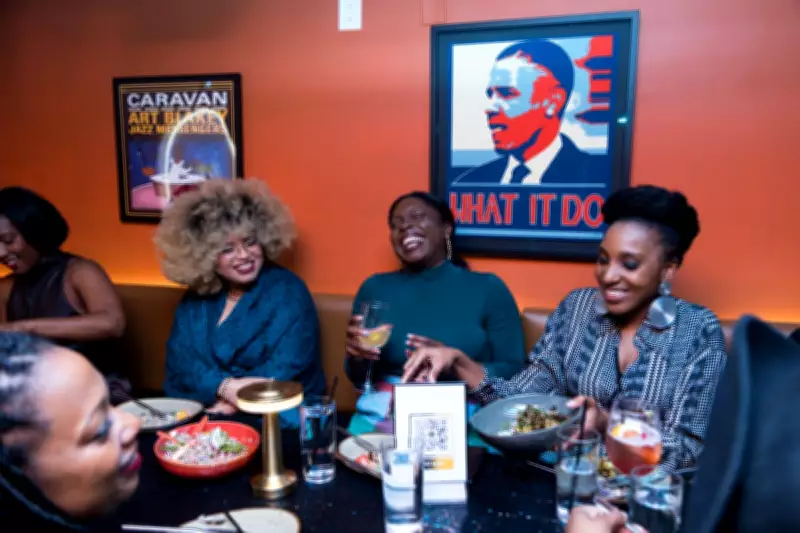
The Rise of Black Women's Supper Clubs in London
In recent years, a vibrant cultural movement has been reshaping London's dining scene: Black women's supper clubs. These intimate gatherings, often hosted in private homes or rented venues, have surged in popularity, offering more than just a meal. They provide a sanctuary for connection, empowerment, and cultural expression, with a notable 20% increase in such events since 2023. This growth reflects a broader trend of communities seeking authentic, inclusive spaces beyond traditional restaurants.
Creating Safe Spaces Through Food
At the heart of these supper clubs is the desire to foster safe, supportive environments where Black women can share stories, build networks, and celebrate their heritage. Organizers emphasize that these events are not merely about dining but about creating a sense of belonging. Many clubs feature themed menus inspired by African, Caribbean, and diaspora cuisines, blending traditional recipes with modern twists. This culinary focus serves as a catalyst for conversations about identity, history, and personal experiences, making each gathering a unique cultural experience.
Empowerment and Economic Impact
Beyond social connections, Black women's supper clubs are driving economic empowerment. Hosts often leverage these events to showcase culinary skills, with some transitioning into full-time catering or food businesses. The informal nature of supper clubs allows for low-barrier entry into the food industry, enabling women to test ideas and build customer bases without significant upfront costs. Additionally, these clubs contribute to London's diverse economy by promoting local ingredients and suppliers, supporting small businesses in the process.

Challenges and Future Prospects
Despite their success, supper clubs face challenges such as securing consistent venues and navigating regulatory requirements for food safety. However, organizers are adapting by partnering with community centers or using online platforms to coordinate events. Looking ahead, the trend shows no signs of slowing down. Experts predict further growth as demand for intimate, culturally rich dining experiences continues to rise. This movement not only enriches London's cultural landscape but also highlights the power of food to unite and inspire communities.
In summary, Black women's supper clubs are more than a passing fad; they are a testament to resilience and creativity in the face of societal gaps. By blending food, culture, and community, these events offer a blueprint for inclusive dining that resonates far beyond London, setting a new standard for how we gather and connect in modern times.