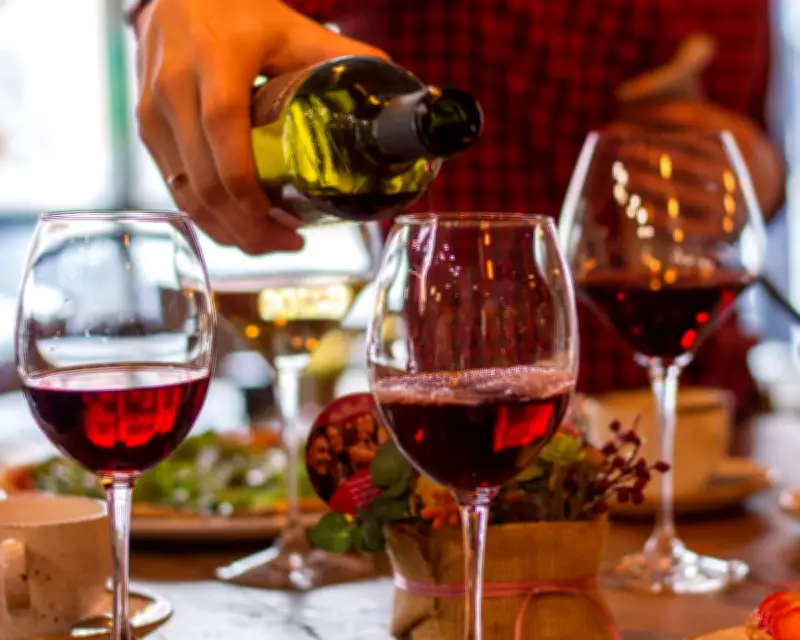
Warmer weather is reshaping drinking habits across Europe, with consumers in both France and Britain increasingly opting for lighter, fruitier wine bottles. This trend has contributed to a noticeable decline in red wine consumption, prompting the historic Bordeaux region to adapt with a significant innovation.
Bordeaux's Formal Validation of Claret
In an exclusive development, Bordeaux's wine industry is set to gain official status for a new type of wine: claret. This formal validation reflects the mounting pressures of climate change, falling consumption rates, and a growing preference for chillable reds. The move marks a strategic pivot for a region that has continually evolved with consumer demands.
A Historical Shift in Style
Historically, Bordeaux has demonstrated remarkable adaptability. In the 1970s, the region leaned towards white wines, but by the 2000s, it became renowned for powerful, oak-aged reds. Now, it is turning to a much older form of red with a name familiar to anglophones: claret. Originating in the 12th century when it was first shipped to Britain, claret soon became Britain's favoured wine, serving as an unofficial byword for Bordeaux red. However, in recent decades, these wines have grown increasingly full-bodied.

The Bordeaux protected designation of origin has now formally validated Bordeaux claret, linking it to the existing Bordeaux appellation. Yet, the bottles, available from the 2025 vintage, will differ from what many in Britain traditionally consider claret. They are designed to be lighter, less tannic, and lower in alcohol, aligning with contemporary tastes.
Climate Breakdown and Oenological Opportunity
Bordeaux has been profoundly affected by climate breakdown, with some impacts presenting a "positive challenge," according to Stéphanie Sinoquet, managing director of the Bordeaux growers' association. Producers are increasingly turning to untraditional, heat-resistant grape varieties, as warmer conditions allow grapes to achieve a "better and more consistent ripeness."
Consequently, ever-rising alcohol levels have become a concern, with 15% now common. For Jean-Raymond Clarenc, director of the Bordeaux branch of the Grands Chais de France, the new classification is a "strategic response to these environmental shifts. By opting for shorter macerations and a profile that values freshness over power, we can produce balanced, elegant wines even in warmer vintages. It's a way of turning a climatic challenge into an oenological opportunity."
Changing Consumption Habits
Wine consumption habits are evolving for several reasons. Beyond climate, warmer weather means drinkers are seeking lighter, fruitier bottles. In both France and Britain, red wine consumption is falling, with lighter, chillable reds becoming de rigueur. Experts note that Bordeaux claret is designed to be consumed at 8-12°C.
"Fresher and fruitier styles are perceived as more relaxed and inclusive," said Sinoquet, adding that they are more versatile and easier to drink outside meals. While lighter claret and the even lighter clairet, a dark rosé, never fully disappeared, Bordeaux producers had shifted towards powerful reds that earned international acclaim and appealed to wealthy collectors, driving prices upward.
"Classic Bordeaux reds will continue to offer the structured, age-worthy styles," Sinoquet assured, indicating that the new claret category complements rather than replaces existing offerings.
Market Struggles and Generational Shifts
Many cite Bordeaux's spiralling prices as a reason for its recent struggles. "A 50-year boom is over, vineyards are being abandoned, we've even ripped out a few plots ourselves," said Tony Laithwaite, founder of the wine retailer Laithwaites. He pointed to collapsing demand in key markets like China, declining sales in France, and a swing towards white wine.
"Bordeaux's posh and pricey image just doesn't fit any more, in these times of straitened circumstances for everyone," Laithwaite added, highlighting the need for more accessible options.

Appealing to Younger Drinkers
For Jonathan Kleeman, a sommelier and wine consultant, millennials are less likely to collect expensive wines than previous generations, preferring wines that are ready to drink. "The new category is going to be interesting," Kleeman said. "It actually harks back to the old days. Bordeaux didn't used to be the big wines they are today. It's actually bringing an old English term back."
Could it confuse drinkers? "Not really, these wines are aimed at younger generations who don't really use the word 'claret'," he explained. Kleeman cited other traditional wines now fashionable again, such as pétillant naturel or "pet-nat," a traditional sparkling wine, and the use of amphorae by natural wine producers. "It could be a very good move, and people 'in the know' might like the irony of calling it 'claret'."
Comparison with Other Regions
Today, Burgundy is widely considered the world's most expensive wine region. Will claret be more in line with its Pinot Noir reds? "I don't think so," said sommelier Tom Claxton. "I think the similarities will be a lighter body, but I'd expect these to be more playful or 'fun' wines." This suggests that Bordeaux's new claret aims to carve out a unique niche, blending tradition with modern appeal.
Overall, the introduction of Bordeaux claret represents a thoughtful adaptation to environmental and market pressures, offering a lighter, more approachable option that resonates with contemporary drinkers while nodding to the region's rich history.