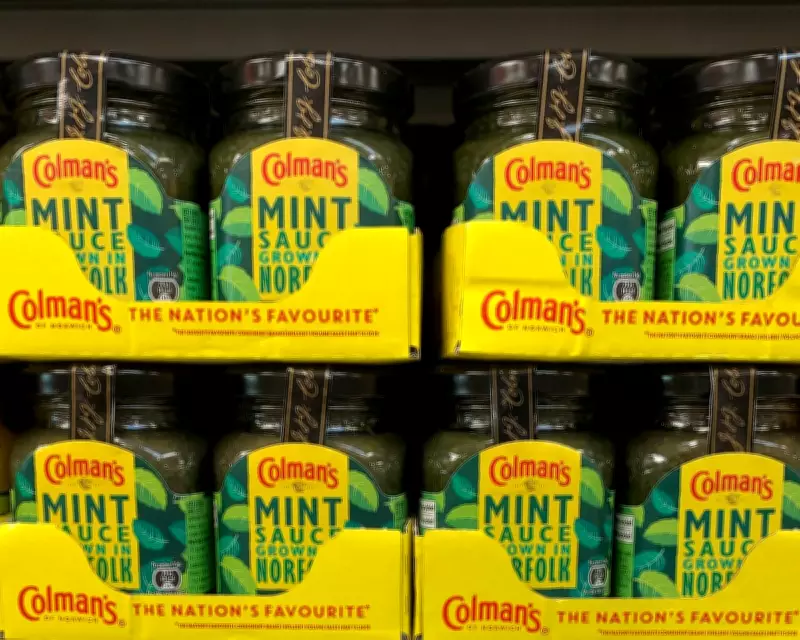
If you've found yourself with an abundance of mint sauce after a shopping mishap, don't worry—this versatile condiment has a surprisingly long shelf life and can be used in numerous creative ways beyond the classic roast lamb pairing. Our culinary specialists offer expert advice on transforming that surplus into delicious dressings, dips, glazes, and more, ensuring no jar goes to waste.
Shift Your Mindset: Treat Mint Sauce as an Ingredient
Kate Young, author of "Dinner at Mine?", emphasizes the importance of changing your perspective. "When you see a jar of sauce, there's a real tendency to think, 'I must use this as a sauce,'" she explains. Instead, consider mint sauce as a flexible ingredient that can enhance a variety of dishes. For instance, if a recipe calls for fresh mint, mint sauce can often serve as a convenient substitute, adding its unique sweet and tangy flavor profile.
Innovative Culinary Applications
Sally Abé of Teal by Sally Abé in east London suggests incorporating mint sauce into pea and mint soup. "Stir in the mint sauce at the end of the cooking process, then blend it with the peas for a vibrant and flavorful twist," she advises. This approach not only utilizes the sauce efficiently but also elevates a simple soup into something special.

For those hosting gatherings, especially during holidays like Easter, mint sauce can be a game-changer in sausage rolls. Young recommends mixing finely chopped onion with lamb mince and adding generous spoonfuls of mint sauce. "Fry a small portion of the mixture first to ensure the mint flavor is prominent before wrapping it in pastry," she notes. Similarly, lamb meatballs benefit greatly from a touch of mint sauce, enhancing their depth and aroma.
Glazes and Dressings: A Versatile Base
The sweetness and acidity of mint sauce make it ideal for creating glazes, particularly for fatty foods like cheese. Sophie Godwin, author of "I'll Cook!", proposes brushing halloumi cubes with mint sauce during the final minutes of frying. "They'll develop a nice caramelized and sticky texture, perfect for adding to dishes like tabbouleh," she says. This technique adds a burst of flavor that complements the saltiness of the cheese.
Mint sauce also excels in dressings. Young combines it with chilli and vinegar to accompany grilled halloumi, while Abé mixes it with oil and Dijon mustard for a simple yet effective salad or roasted vegetable dressing. Godwin takes it a step further by tossing hot boiled potatoes in a mixture of oil, mint sauce, capers, and fresh herbs, keeping them "in mint condition" and full of zest.
Beyond Traditional Pairings
While mint sauce with roast lamb is a timeless combination, it can also breathe new life into other meats. Young draws inspiration from Greek cuisine, pairing mint sauce with oregano for roast chicken. Godwin brushes her chicken with a blend of chopped preserved lemon skin, fresh chilli, toasted cumin and coriander seeds, and mint sauce during the last 15 minutes of roasting. "That's lovely and fresh," she remarks, highlighting how this approach adds a refreshing twist to a familiar dish.
Simple Solutions for Everyday Meals
If you're looking for a quick and easy option, consider incorporating mint sauce into raita or tzatziki. Godwin suggests mixing mint sauce and cucumber into Greek yoghurt, then adding lemon juice and fresh mint to taste. "Now, that's banging," she exclaims, offering a flavorful side that can be rotated into weekly dinner plans. This not only uses up the sauce but also provides a healthy and tasty accompaniment to various meals.
With these expert tips, that surplus of mint sauce becomes an opportunity for culinary exploration rather than a burden. Remember, mint sauce has a decent shelf life, so take your time experimenting with these ideas and enjoy the process of discovering new favorite dishes.