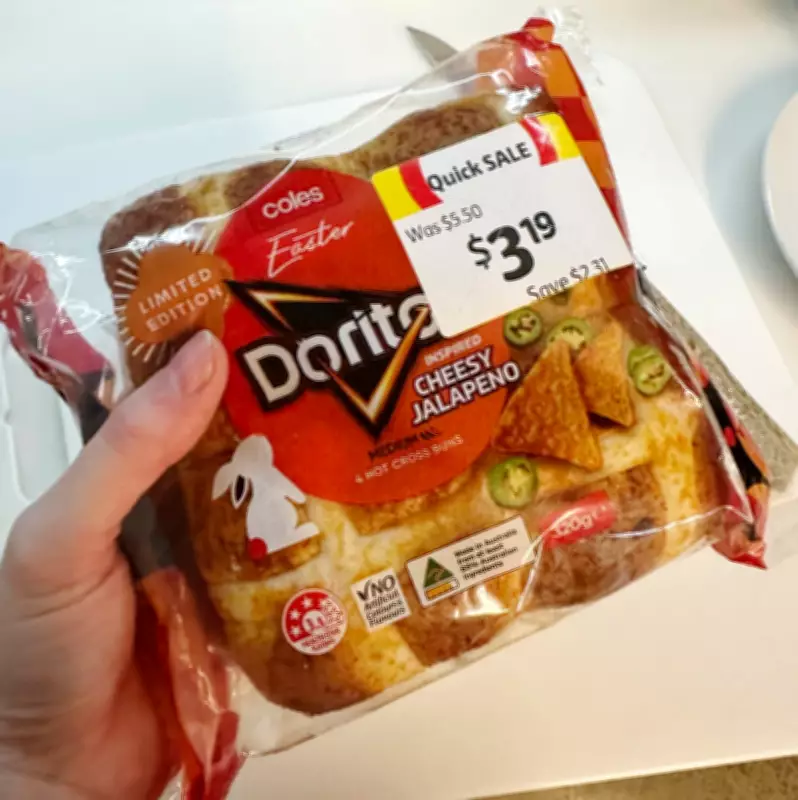
Doritos-Inspired Hot Cross Bun Divides Australian Tasters
A controversial new Easter pastry has emerged in Australian supermarkets, blending the traditional hot cross bun with the bold flavors of Doritos chips. This cheesy jalapeño creation has sparked intense debate among food critics and consumers alike, with reactions ranging from enthusiastic approval to outright disgust.
The Rise of Novelty Easter Treats
As Easter approaches, food companies are increasingly releasing unconventional pastries to capture consumer attention. This year, a "Doritos-inspired" hot cross bun has taken center stage, featuring a savory twist on the classic sweet bun. One Guardian staffer memorably described it as "the unholy progeny of a union between a Dorito and a marshmallow," capturing the polarizing nature of this culinary experiment.
The trend of transforming traditional foods into novel creations has been growing steadily, with major food corporations now fully embracing this approach. Beyond the Doritos version, Australian supermarkets have featured other unusual variations including Iced Vovo hot cross buns, Cadbury collaborations, and Aldi's carrot cake interpretation. This phenomenon extends beyond Australia, with similar novelty buns appearing in markets worldwide.

Mixed Reactions from Taste Testers
Reactions to the Doritos hot cross bun have been decidedly mixed. While some tasters found unexpected enjoyment in the spicy, cheesy creation, most expressed strong negative opinions. Common complaints included an artificial "Pizza Shapes" odor, claggy texture, uneven spiciness, and insufficient dried fruit content.
"I was hoping for a cheesy scone or jalapeño cornbread, but winced just at the smell of it," reported one disappointed staffer. Another critic noted it tasted like "an inappropriate blend of two completely different things," while multiple tasters described the experience as "truly vile."
Culinary Innovation or Marketing Gimmick?
The emergence of such unconventional Easter treats raises fundamental questions about food authenticity and culinary boundaries. When a savory, raisin-free creation can be marketed as a hot cross bun, it challenges traditional definitions and sparks what some have termed an "authenticity bunfight."
Food industry analysts suggest this trend represents calculated culinary clickbait designed to generate discussion and trial purchases. The strategy appears successful when measured by the attention these novelty items receive, regardless of whether consumers ultimately embrace or reject them.
The Future of Easter Treats
As the novelty hot cross bun trend continues to evolve, consumers face a choice between culinary purism and embracing what some call "hot cross anarchy." Traditionalists may insist on maintaining classic recipes featuring sultanas, candied orange, and cinnamon, while others might welcome further experimentation.
One taster suggested future innovations could include making the cross from cheese or creating entirely new concepts like a "guac cross bun" featuring avocado mash on nachos. Whether these developments represent culinary progress or marketing excess remains a matter of personal taste and philosophical perspective on food tradition versus innovation.