

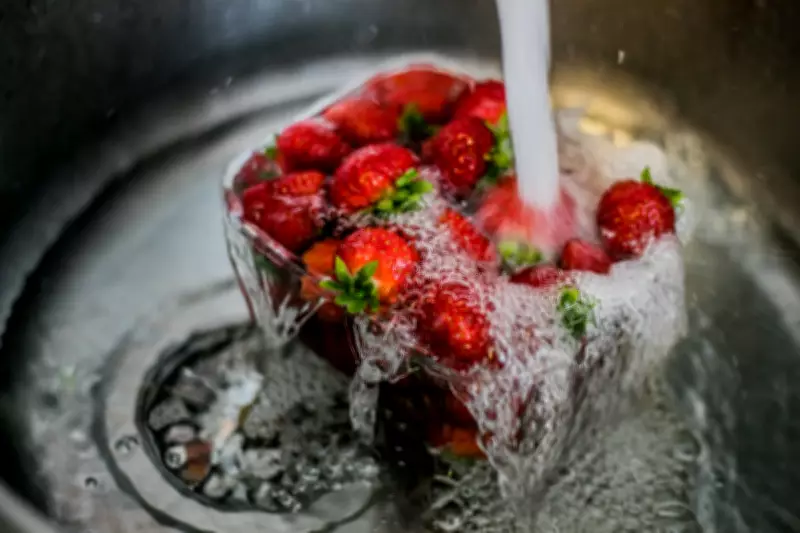
Experts Warn Against Washing Fruit Before Storage: The Right Way to Clean Produce
In the age of viral TikTok trends, influencers have popularised elaborate fruit and vegetable "sanitising" rituals, but food experts are now cautioning that these practices may be doing more harm than good. According to fruit farm operator Rebecca Scurr, washing soft fruit like strawberries before you're ready to eat them is "the worst possible thing for shelf life."
The Viral Cleaning Trend Versus Expert Advice
Across social media platforms, videos showing aesthetically pleasing produce cleaning routines have garnered millions of views. Content creators demonstrate soaking fruits and vegetables in sinks filled with water, adding everything from baking soda and vinegar to specialised vegetable soaps and expensive electronic purifiers. However, experts question whether this deep-cleaning obsession is necessary or even beneficial.
Rebecca Scurr, a fourth-generation operator of Piñata Farms who supplies fruit to Australian supermarkets, says these fruit-washing videos make her "cringe so much." She explains that "there is no fruit, even resilient ones like apples, that are going to be better off for being washed and then put away." For delicate fruits like strawberries and raspberries, premature washing significantly reduces their shelf life by introducing moisture that accelerates spoilage.

The Science of Produce Hygiene
Professor Enzo Palombo, an expert in food microbiology and gastroenteritis viruses at Swinburne University of Technology, advises consumers to "be cautious, but don't be paranoid." While acknowledging legitimate concerns about pathogens like listeria or salmonella, pesticide residues, and surface contaminants, Palombo emphasises that "we tend to think we need to consume 100% sterile food – you don't. Our body is designed to deal with these things, within reason."
Dr Rozita Vaskoska, who leads the CSIRO's Microbial Food Systems group, recommends rinsing produce under cold running water just before consumption or preparation. "The surface matters because as you cut it, the bacteria can move from the surface to inside in some instances," she explains, highlighting rock melon as a particular concern due to its rough skin that can harbour pathogens.
High-Risk Produce and Proper Cleaning Techniques
Certain fruits and vegetables require extra attention during cleaning. Rock melons should be rinsed thoroughly and even scrubbed with a clean dish brush before cutting. Tightly packed vegetables like cos lettuce, bok choy, bean sprouts, and pre-packaged salad mixes need thorough rinsing to remove dirt trapped in their crevices. These items pose particular risks for immunocompromised individuals.
Palombo notes that contamination risks can occur at multiple stages, from soil additives like chicken manure during growing to handling by other shoppers in supermarkets. "You see people pressing all the mangoes, all the avocados; where have their hands been?" he questions, highlighting the importance of proper handling throughout the supply chain.
The Truth About Specialised Cleaning Methods
Research into various home-washing methods reveals mixed results. One study found baking soda can degrade some pesticides on apple skin more effectively than rinsing alone, but it wasn't completely effective against residues that had penetrated the peel. Another study comparing different methods on lettuce found rice vinegar removed the most pesticides on average, though effectiveness varied across different chemical compounds.
When it comes to microorganisms, washing lettuce leaves in water removes a significant amount of bacteria but doesn't eliminate all risk. Vaskoska notes that "sterilising produce might not even be desirable, as there may be positive health effects of being exposed to the natural plant microbiome," an area of emerging scientific investigation.
The Most Important Rule of Food Hygiene
For Palombo, the "number one rule" for healthy fruit preparation has nothing to do with soaking produce in special solutions. "Wash your hands," he emphasises. "If you've come home from shopping and you've touched things, you've got in your car, give your hands a wash and then put away your groceries. If most people follow that rule, 99% of the problems would disappear."

Both experts caution against specialised fruit and vegetable cleaning products that make "really bold claims" without substantial evidence. While baking soda or vinegar might provide some additional cleaning benefits, they can also affect the texture and quality of produce due to their chemical properties.
Palombo concludes with a balanced perspective: "Don't be alarmist and panic and be swayed by products that have been sold to you, because they're going to make everything perfect. Nothing is perfect." The key is sensible hygiene practices rather than extreme sanitising rituals that may compromise both food quality and safety.





