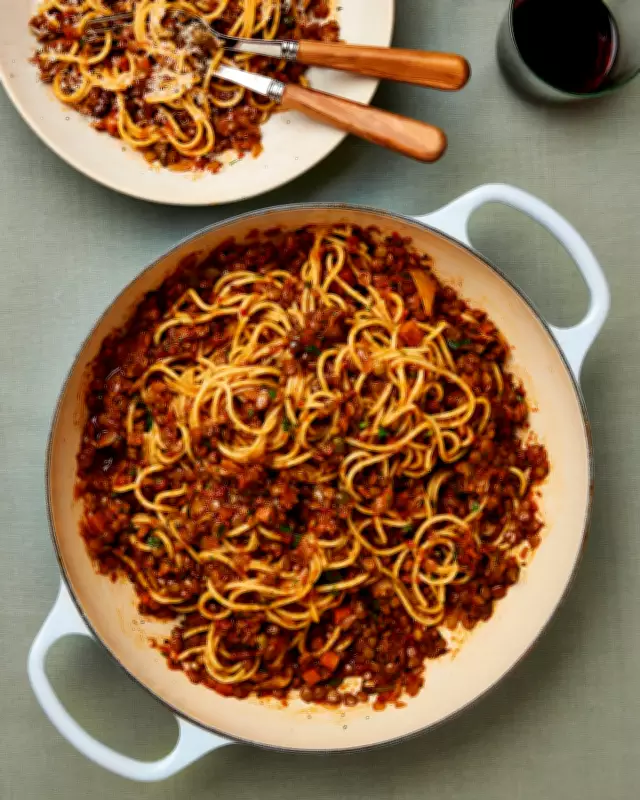
In the ever-evolving world of food and wellness, a new kitchen trend has taken social media by storm: FibreMaxxing. This viral movement centres on incorporating high-fibre foods into daily meals to boost gut health, energy levels, and overall well-being. With hashtags like #FibreMaxxing gaining traction on platforms such as TikTok and Instagram, it has captured the attention of health enthusiasts and home cooks alike, blending nutritional science with modern digital culture.
What Is FibreMaxxing?
FibreMaxxing involves a deliberate focus on increasing dietary fibre intake through whole foods like legumes, whole grains, fruits, and vegetables. Proponents of the trend advocate for creative recipes that make fibre-rich ingredients the star of the plate, often sharing tips for meal prepping and cooking techniques that enhance flavour and texture. The goal is not just to eat more fibre but to do so in a way that is enjoyable and sustainable, moving beyond bland or restrictive diets.
Expert Insights on Gut Health
Nutritionists and dietitians have welcomed the FibreMaxxing trend, highlighting its potential benefits for digestive health. Fibre is known to support a healthy gut microbiome, aid in digestion, and reduce the risk of chronic diseases such as heart disease and type 2 diabetes. However, experts caution that a balanced approach is key. They recommend gradually increasing fibre intake to avoid discomfort and ensuring a variety of sources to obtain all essential nutrients.

Social Media Influence and Popularity
The rise of FibreMaxxing can be largely attributed to social media, where influencers and everyday users share vibrant photos and videos of their fibre-packed meals. This visual appeal has helped demystify healthy eating, making it more accessible and appealing to a broader audience. The trend also taps into a growing interest in functional foods—those that offer health benefits beyond basic nutrition—reflecting a shift towards mindful consumption in the kitchen.
Practical Tips for FibreMaxxing
For those looking to embrace FibreMaxxing, here are some practical suggestions to get started:
- Start Slowly: Increase fibre intake gradually to allow your digestive system to adjust.
- Diversify Sources: Include a mix of soluble and insoluble fibre from foods like oats, beans, berries, and leafy greens.
- Get Creative: Experiment with recipes such as fibre-rich smoothies, hearty salads, or whole-grain bowls to keep meals interesting.
- Stay Hydrated: Drink plenty of water to help fibre move through the digestive tract effectively.
Sustainability and Long-Term Impact
Beyond individual health, FibreMaxxing aligns with sustainable eating practices. Many high-fibre foods, such as pulses and vegetables, have a lower environmental footprint compared to processed or animal-based products. This aspect resonates with eco-conscious consumers, adding another layer to the trend's appeal. As FibreMaxxing continues to grow, it may inspire more people to adopt plant-forward diets that benefit both personal health and the planet.
In summary, FibreMaxxing represents a fresh take on kitchen habits, merging nutritional awareness with social media savvy. While it offers promising benefits for gut health and beyond, experts emphasise the importance of a balanced and varied diet. As this trend evolves, it could play a role in shaping healthier, more sustainable food choices for communities across the UK and beyond.