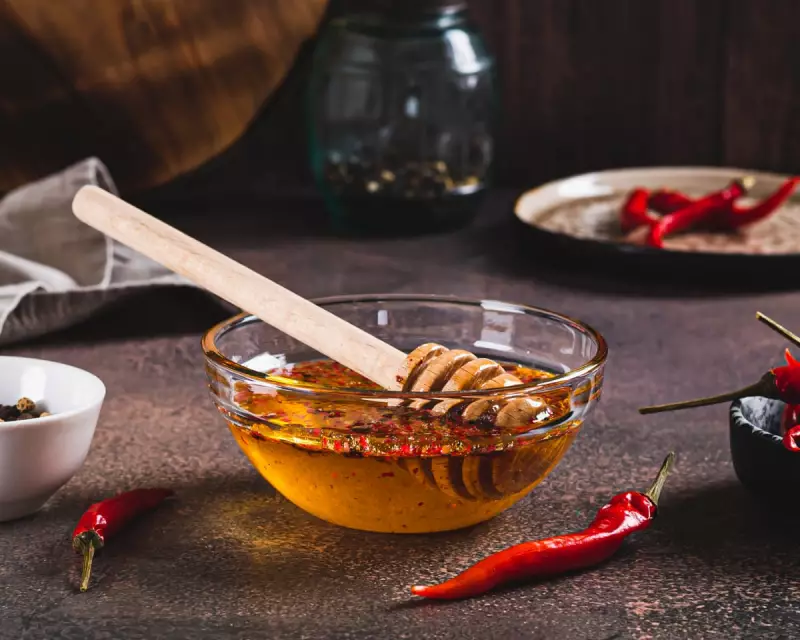
Has Hot Honey Reached Its Peak? The 'Swicy' Trend Sweeping UK Menus
What began as an exciting gen Z food trend has rapidly transformed into a ubiquitous presence across British supermarkets and restaurant menus. The distinctive "swicy" combination of sweet and spicy flavours, primarily delivered through hot honey, now appears everywhere from pizza toppings to crisp packets. However, industry experts are questioning whether this culinary phenomenon has reached its saturation point, with concerns mounting about mass-produced knock-offs and the proliferation of "fake honey" products.
The Meteoric Rise of Swicy Sensations
When hot honey first emerged on restaurant menus approximately five years ago, it represented something genuinely novel and exciting for British diners. The practice of drizzling this chilli-infused honey over pizzas or using it as a glaze for meats and halloumi captured the imagination of food enthusiasts, particularly among younger generations who championed its unique flavour profile.
"The product has gone a bit crazy over the last couple of years," observes Laurence Edwards, owner of Black Mountain Honey, whose company has witnessed hot honey sales skyrocketing. This explosive growth mirrors previous food trends like salted caramel, suggesting hot honey has firmly entered the mainstream consciousness.

From Artisanal to Mainstream: The Supermarket Takeover
The transition from niche restaurant ingredient to supermarket staple has occurred with remarkable speed. British consumers can now find:
- Supermarket own-brand hot honey varieties
- Hot honey flavoured Walkers crisps
- McVitie's Hot Honey Jaffa Cakes
- Kellogg's Crunchy Nut cereal with hot honey notes
"It's a bit of an accolade being on a Walkers crisp packet," acknowledges Edwards, who hopes this mainstream attention will benefit beekeepers through increased interest in their industry and products.
Quality Concerns and Market Saturation
Not everyone shares this optimistic outlook. Ben Lippett, chef and co-founder of Dr Sting's hot honey, expresses concern about the trend's longevity: "Are we reaching peak hot honey? Maybe we are. I'd be lying if I said it didn't make me slightly nervous when I see larger businesses and corporations using hot honey."
Lippett's apprehension centres on the potential market flooding with lower-quality versions, which could ultimately diminish consumer enthusiasm. The economics of honey production present significant challenges, with pure honey representing a high-cost raw ingredient – evidenced by Dr Sting's 280g bottle retailing at £8.99.
The 'Fake Honey' Problem Intensifies
These quality concerns intersect with broader issues in the honey industry. The European Commission's 2023 exposure of "fake honey" products bulked out with sugar syrup highlighted existing problems with honey authenticity. While pure honey benefits from regulatory protection requiring it to be "free from organic or inorganic matters foreign to its composition," flavoured honey enjoys no such safeguards.
"You can be less certain of what's in hot honey," cautions Diane Drinkwater, president of the British Beekeepers Association, who personally believes adding chilli "ruins honey's natural deliciousness."
Edwards advises consumers to carefully check ingredient lists to ensure they're purchasing hot honey made with proper honey rather than inferior substitutes, emphasising that authentic products deliver superior quality and flavour.
The Future of Hot Honey in British Cuisine
Despite these challenges, industry analysts predict hot honey will maintain its presence rather than disappear entirely. Lisa Harris, co-founder of Harris and Hayes food and drink consultancy, suggests the trend will plateau rather than collapse, becoming a standard menu item rather than an exciting novelty.

"Now when I see salted caramel on a menu, it doesn't excite me," Harris notes, drawing parallels between the two trends. She anticipates hot honey will follow a similar trajectory, evolving from innovative flavour combination to gastropub and pizzeria staple.
As the food industry continues its relentless search for the next viral flavour sensation, hot honey's "swicy" reign continues – albeit with questions about quality, authenticity, and market saturation shaping its future trajectory in British food culture.