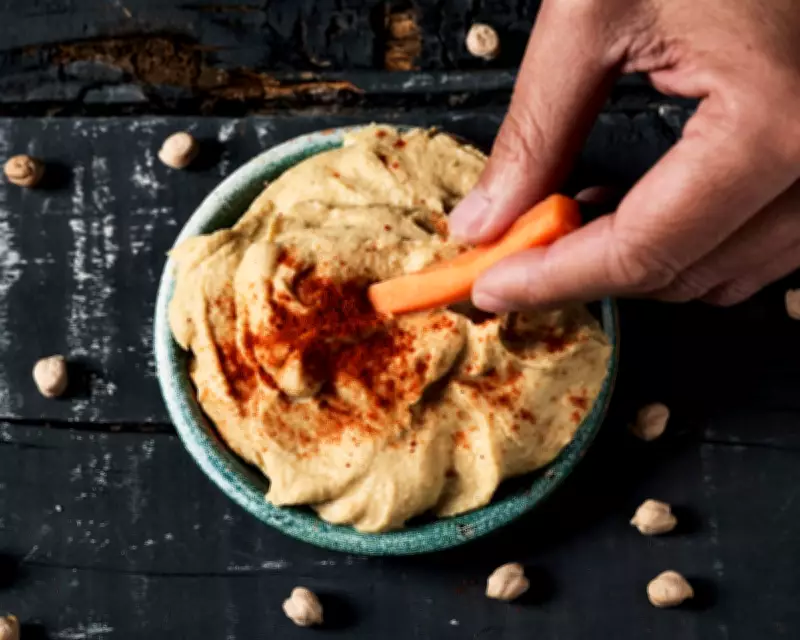
Hummus Transforms from Exotic Dip to British Mainstay
This week marks a significant milestone for hummus, as it joins the list of products used to measure the cost of living in the United Kingdom. The Office for National Statistics (ONS) has included this chickpea-based dip in its inflation basket, signaling its shift from a niche item to a ubiquitous staple in British households. Often dubbed the "new ketchup," hummus now reflects broader dietary changes and global influences shaping consumer habits across the nation.
From Humble Beginnings to Multi-Million Pound Industry
Ramona Hazan, founder of the popular Ramona's hummus brand, highlights this transformation. "What this shows us is that the UK diet is now global," she states. "There is a lot more Middle-Eastern food as mainstream, and supermarket ranges are reflecting that." Hazan started her company in 2004 from her London flat with a modest £25 blender, and today, the brand is valued at £24 million, producing 80-100 tonnes of hummus weekly.
Britons have embraced hummus wholeheartedly, with annual spending soaring to £170 million. Waitrose pioneered its introduction in 1987, advertising it as an "exotic Mediterranean flavour." Since then, supermarkets have expanded their offerings, with Tesco alone selling 18 different versions, from snack pots to large tubs. The dip's versatility has fueled its popularity, moving beyond party snacks to uses as a sandwich filler, soup additive, and pasta mix-in.

Health Trends and Cultural Influences Drive Adoption
Jonny Forsyth, a senior analyst at Mintel, notes that hummus has become a British staple, consumed as habitually as bread and milk. This rise is attributed to the growing popularity of Middle Eastern cuisine, influenced by chefs like Yotam Ottolenghi, Claudia Roden, and Anissa Helou. Social media platforms like Instagram and TikTok further amplify its appeal, with food influencers showcasing creative uses in health bowls and gourmet recipes.
Hazan emphasizes the health benefits, stating, "It is a healthy alternative to a lot of things on the market. Even if you're eating it with crisps, you're consuming something full of chickpeas, fiber, and pulses." The ONS's inclusion of alcohol-free beer alongside hummus in the inflation basket underscores a trend toward healthier lifestyle choices, as noted by Stephen Burgess, ONS deputy director for prices.
Economic and Social Implications
The inflation basket update reflects evolving shopping habits, ensuring accurate cost-of-living measurements. In 1987, a 300g tub of hummus cost 79p at Waitrose; today, the same size in its cheapest own-label version costs £1.85. This price increase mirrors hummus's integration into daily life, with Waitrose adding it to its "essential" range nearly a decade ago.
Lizzie Haywood, Waitrose's trend innovation manager, observes that hummus has transitioned from an "exotic curiosity" to the "backbone of British snacking habits." Its journey from a metallic-taste crisis in 2017 to a diversified product range—including beetroot and jalapeno variants—highlights its resilience and adaptability in the market.
As hummus cements its place in British culture, it symbolizes broader shifts toward globalized diets and health-conscious consumption, proving that this once-simple dip is now an indispensable part of the nation's culinary landscape.