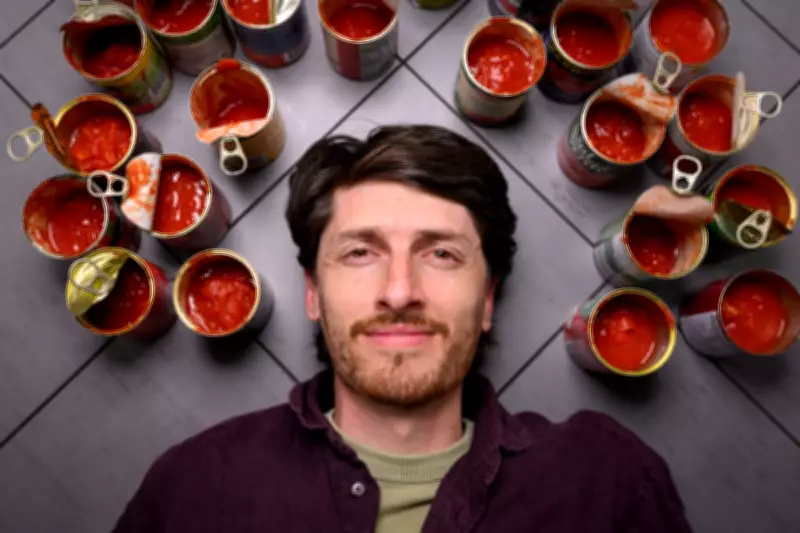
When I publicly broke up with Mutti tinned tomatoes, it was like I had entered a church and declared God is not real. The reaction was swift and fierce. Hundreds of readers and social media users let me know their thoughts: “Mutti for life,” “Mutti or bust,” “This taste test is rubbish,” “The most recent Guardian food test has destroyed the writer’s brain,” and “I still will always buy Mutti.” I spent hours laughing, grimacing, and responding to comments. I loved the engagement, but I was shocked by the sheer ferocity of it all.
Two weeks before the taste test, I was part of the same congregation. My pantry almost always held several tins of Mutti Solo Pomodoro Polpa, though I had no conscious reason why. It was not an inherited preference from my parents. Perhaps it was inherited by class or community. I have seen Mutti in the pantries of many friends, particularly those with Alison Roman cookbooks, Broadsheet subscriptions, and intimate knowledge of local specialty coffee options.
The Power of Food Choices
When we have access to so many products, what we choose says a lot about who we are. It is hard to suggest you are cultured with a supermarket home brand. You need something with storytelling oomph. Mutti, a product emblazoned with Italian writing and claims about ingredient purity, is as good as it gets. Fill your pantry with unhomogenised peanut butter, Australian extra virgin olive oil, and a pasta shape that is neither long nor penne, and you have a culinary identification system for the Australian middle class.

Without ever investigating further, I had subconsciously associated Mutti with quality. Quality is what I choose, and that is who I am. This is why, as soon as the taste test finished, I checked what scores the team of six reviewers had given Mutti. They ranged wildly from 3 to 7 out of 10.
The Taste Test Results
I did not feel right, but the facts were clear. Like the other 25 tinned tomatoes, we blind tasted Mutti straight out of the can and cooked into a sauce, prepared exactly the same as every other product. There was no evidence that it stood out at all. None of the tins did. We may as well have been reviewing white paint shades. I could tell they were different, but were any noticeably better than one another?
I have conducted more than 40 of these taste tests. If I am practised at anything, it is tasting supermarket products and identifying how they differ. Yet I was so rocked by the result that I did another test with several varieties of Mutti tinned products – diced, whole, San Marzano, and cherry tomatoes – and the same results emerged. Mutti is neither better nor different enough to make it worth buying.
Incredible and Horrific
Knowing that is both incredible and horrific. Incredible because I will save money never buying a Mutti tin again. Mutti polpa costs $2.30, more than double the price of a supermarket home brand I would also be happy to use. Horrific because it does not fit my understanding of the universe. Ingredients, restaurants, pieces of art – everything we consume and use, however directly or not, to define ourselves – maybe they do not make much difference either.
I think back to the time I tested peanut butter and ended up liking Skippy Super Chunk Peanut Butter the most. It took me months to come to terms with the fact that I prefer peanut butter with added sugar – a wildly unpopular opinion among people who avoid penne. Now I have to come to terms with this.
Why the Backlash?
This is why I think so many commenters were upset. When evidence does not match how you understand the world or how you shape your identity, you do not want to believe it. The loyalty to Mutti is not just about tomatoes; it is about a sense of self. Breaking that connection feels like a personal attack. But sometimes, the truth is simpler than we imagine: a good sauce can come from any tin, and the best choice might be the one that saves you money and still tastes great.