

Napa Valley's Wine Industry Confronts a 'Shocking' Downturn
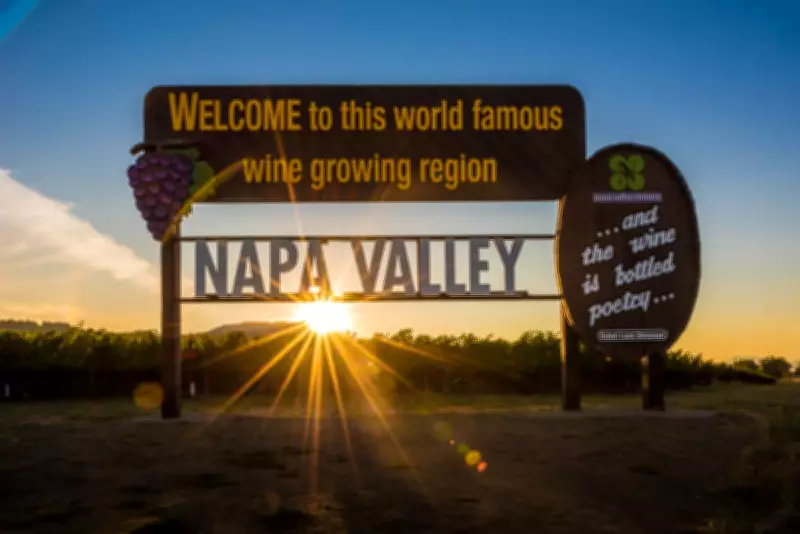
A sign welcoming visitors to California's Napa Valley, renowned as the home to more than 400 wineries, stands as a testament to a region facing unprecedented challenges. The wine industry, once a symbol of endless growth, is now grappling with a dramatic downturn that has forced wineries to adapt or risk extinction.
The Vindication of a Doomsayer
Rob McMillan, author of Silicon Valley Bank's annual state of the US wine industry report, has long warned of an impending correction in demand. His 2025 report confirmed these fears, revealing declining revenue, reduced production volumes, and a forecasted "bumpy bottom" in demand for 2027 and 2028. McMillan noted that while his dire predictions were once dismissed, the industry now understands the gravity of the situation.
A 'Sunsetting' Customer Base and Generational Shifts
The report highlights a critical issue: the baby boomer generation, which drove the premium wine boom in the 1990s, is now "sunsetting"—industry parlance for aging out of the market. This demographic shift is compounded by changing drinking habits among younger generations. A 2025 Gallup poll found that only 54% of American adults consume alcohol, the lowest figure in the pollster's 90-year history. Additionally, health concerns, including warnings from the surgeon general about alcohol as a leading preventable cause of cancer, have further impacted consumption.

McMillan's report emphasizes a growing divide between wineries that adapt to these new realities and those clinging to past growth models. It predicts that 2026 will see some struggling growers and wine companies publicly capitulate and exit the industry.
Layoffs and Large-Scale Adjustments
Major players in the industry are already feeling the pinch. Gallo, the largest US wine supplier, announced layoffs of 93 employees and the closure of a facility in Napa's St Helena in February. Similarly, Constellation Brands, owner of Robert Mondavi wines, laid off over 200 workers at its Mission Bell winery in January. These moves underscore the widespread nature of the downturn.
Small Wineries Innovate to Survive
Amid the gloom, small, family-run wineries in Napa are demonstrating resilience through innovation. Jill Matthiasson of Matthiasson Wines described the situation as a "perfect storm," citing factors like post-pandemic health trends and generational shifts. She emphasized that while wine drinking is an ancient tradition that fosters community, wineries must adapt by focusing on core values such as organic farming, employee welfare, and appealing to a new generation of consumers.
Laura Gabriel, founder of Paper Planes wines and The River Club tasting room, echoed this sentiment. She noted that discovery of wine brands now occurs through social media, online research, and friend recommendations rather than traditional shelf displays. Gabriel stressed the need for wineries to actively tell their stories and create memorable experiences to engage customers.
Tourism Challenges and Optimism
Tourism in Napa has also faced headwinds, with international visitors staying and spending less. Canadian bans on US wines have particularly hurt, as Canada was historically the largest export market for California wines, accounting for $1 billion annually. However, Linsey Gallagher, president and CEO of Visit Napa Valley, pointed to reasons for optimism: hotel occupancy rose nearly 3% in 2025, the average visitor age dropped from 46 to 40, and tourist diversity increased post-pandemic.
Gallagher highlighted Napa's community spirit in overcoming adversity, from vine diseases to wildfires, and affirmed that the valley remains a beautiful, world-class wine destination.
Adaptation as the Path Forward
Ben Brenner, co-owner of Benevolent Neglect wines, rejected the doom-and-gloom narrative, arguing that change is inherent to the industry. He criticized overpriced, manipulated wines and praised owner-operated wineries for hustling through dinners, road shows, and other outreach efforts. Brenner observed that millennials, now in their 30s, are buying more wine as they age, and young visitors continue to show excitement for the product.

McMillan concluded by urging wineries not to merely hold on but to see the situation clearly and adapt proactively. The future of Napa Valley's wine industry, while challenging, may hinge on this ability to innovate and connect with evolving consumer preferences.





