The Art of Crafting the Perfect Bara Brith
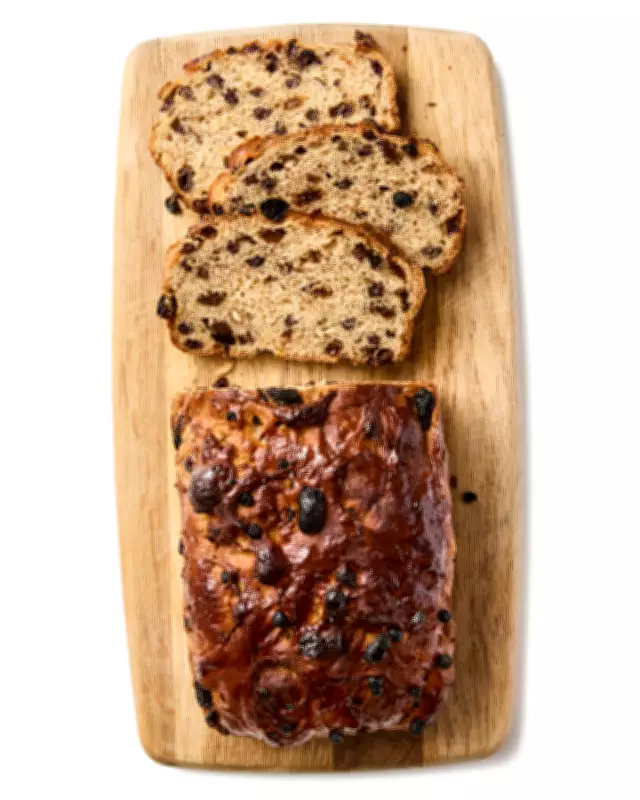
Bara brith, a beloved Welsh fruit loaf whose name translates to "speckled bread," presents a delightful challenge for bakers. This traditional treat, often compared to Yorkshire brack or Irish barmbrack, is notoriously tricky to perfect but offers a squidgy, heavenly experience when done right. Historically, it may have originated from excess bread dough, but today, it stands as a culinary gem in its own right, no excuses needed.
A Rich History and Cultural Significance
The roots of bara brith trace back to early 20th-century Wales, with some records suggesting it was enjoyed as early as 1857 in Bala, Gwynedd. Food historians note that wheat-based recipes like this are relatively modern, given Wales' wet climate. Originally known as teisen dorth in southern regions, this loaf has evolved into a staple, often paired with strong tea and cold, salty butter for a comforting snack.
The Great Raising Agent Debate
One of the key divides in bara brith recipes centers on the raising agent. Traditional versions used yeast, common until the mid-20th century, offering a lighter, chewier crumb ideal for buttered slices. In contrast, modern recipes often employ baking powder or bicarbonate of soda, introduced in the 1940s, which yield a moister, cake-like texture. While yeast-free versions are praised for their simplicity and moistness, purists argue that yeast preserves the bread-like quality, distinguishing it from fruit cakes.

Ingredients and Variations for Optimal Flavor
Choosing the right ingredients is crucial for achieving the perfect bara brith. Flour selection varies, with some recipes calling for wheatmeal or a mix of white and wholemeal flours to add texture and robustness. Fat options include lard for softness or butter for richer flavor, though vegan alternatives like margarine are also viable. Sugar choices range from caster to dark brown muscovado, with minimal sweetness recommended to balance the natural sugars in dried fruit.
The fruit component typically features raisins, currants, and sultanas, though creative bakers may incorporate dates, apricots, or sour cherries. Soaking the fruit in tea, such as earl grey, enhances moisture and flavor, though this step is a modern addition not found in early recipes. Spices like mixed spice or caraway seeds add depth, but should be added carefully to avoid inhibiting yeast activity.
Step-by-Step Recipe for Homemade Bara Brith
To make your own bara brith, start by soaking 75g each of sultanas and currants, plus 25g candied peel, in 150ml hot earl grey tea for several hours or overnight. Drain and reserve any liquid. In a large bowl, combine 150g strong white flour, 100g strong wholemeal flour, 7g instant yeast, 50g dark brown sugar, and ½ tsp salt. Add 30g melted lard or butter, the reserved tea, and enough buttermilk to form a dough.
Knead lightly, then let it rise for an hour. Pat the soaked fruit dry, then incorporate it into the dough with ½ tsp caraway seeds and ½ tsp mixed spice. Place in a greased loaf tin, prove until risen, and bake at 200C for 40 minutes. Glaze with honey for a shiny finish, then cool and serve.
Personalizing Your Bara Brith Experience
Whether you prefer a sweet, cakey version or a plain, yeasted traditional loaf, bara brith offers room for personalization. Experiment with different fruits, spices, or glazes to suit your taste. For those who'd rather leave it to professionals, seeking out Welsh bakeries or specialty shops can provide inspiration. Ultimately, this versatile recipe celebrates Welsh heritage while inviting bakers to make it their own.