

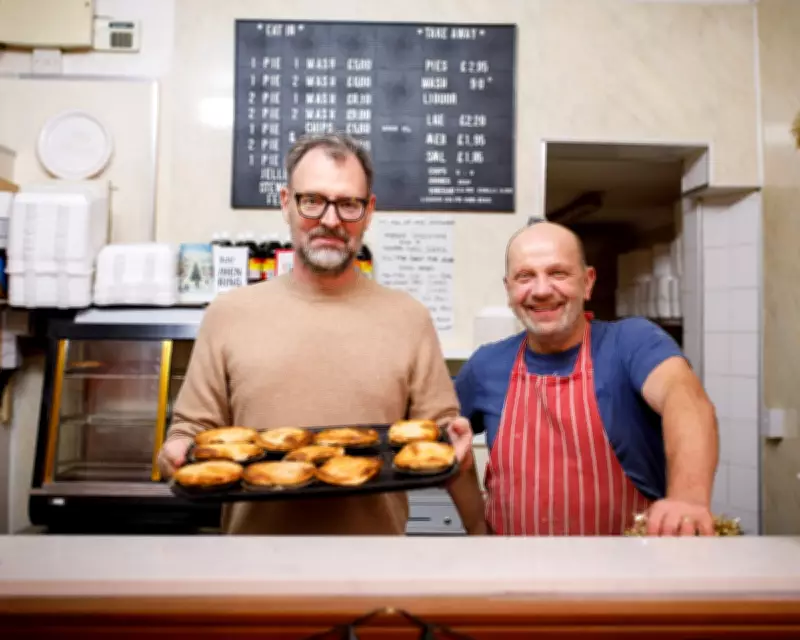
The Struggle and Revival of London's Traditional Pie and Mash Shops
Once numbering in the hundreds across the capital, London's iconic pie and mash shops have dwindled to barely more than thirty establishments. This dramatic decline represents a significant threat to a culinary tradition that dates back over a century. However, amidst this concerning trend, a surprising resurgence is occurring, driven largely by social media attention and growing interest from younger generations.
The Current State of Pie and Mash in London
The situation presents a complex picture of simultaneous decline and revival. According to the Pie and Mash Club, Greater London has witnessed five closures in 2025 alone, including the historic Manze's in Deptford High Street which served customers for more than a century before shutting its doors. This closure prompted emotional queues not for trendiness, but to mark the end of an era.
Yet against this backdrop of closures, new establishments have emerged. Barney's in Walthamstow opened in 2018, while Bush Pie & Mash in Shepherd's Bush filled a gap left by the 2015 closure of A Cooke's, which had operated since the 1930s. This contradictory pattern creates uncertainty about the future of this traditional London fare.

The Social Media Effect on Traditional Cuisine
Remarkably, platforms like TikTok and YouTube have become unexpected allies for pie and mash shops. Food blogger James Dimitri, who has visited nearly all London's pie and mash establishments, observes that many are packed during lunchtimes. The Washington Post recently highlighted this phenomenon, noting "renewed demand for hearty 'cockney cuisine'" across the city.
Nathan Jacobi, proprietor of BJ's Pie and Mash in Plaistow, acknowledges the positive impact of social media attention. "TikTok and YouTube and things like that, helps you out so much," he says, noting regular visits from influencers and content creators. This digital exposure has introduced traditional pie and mash to audiences who might never have encountered it otherwise.
Cultural Barriers and Traditions
The very traditions that make pie and mash shops special also create barriers for new customers. Jonathan Nunn, co-editor of Vittles magazine, explains: "There's an insularity about pie and mash which is one of the reasons why people love it. On the other hand, that insularity is one of the things that makes it difficult to induct new customers."
Unwritten rules govern the pie and mash experience: customers should never use a knife (only a fork and spoon), must flip their pies, and should liberally apply salt, white pepper and chilli vinegar. These customs can intimidate newcomers unfamiliar with the rituals of this working-class cuisine.
The Business Challenges of Tradition
Running a traditional pie and mash shop involves significant labor and commitment. Jacobi describes the demanding routine: "Tuesdays and Thursdays I mince me own meat. Then you're here at five o'clock every morning, and you're literally preparing pies for four or five hours." This intensive preparation occurs before any sales begin, creating financial pressure on proprietors.
Ownership structure also plays a crucial role in survival. Jacobi attributes BJ's longevity to his father's decision to purchase the freehold when establishing the business in 1982. "That's why we're still here," he notes, highlighting how property ownership provides stability in an increasingly challenging market.
The Protected Status Debate
In October 2024, MP Richard Holden called for pie and mash to receive Traditional Speciality Guaranteed (TSG) status, with fifteen producers agreeing on a standardised recipe in February 2025. This move raises important questions about whether such protection would help or hinder adaptation.
Nunn suggests flexibility might be necessary: "Having the choice of gravy, or vegetarian pies, if those are things that will help pie and mash shops thrive in 2026 London, then I would rather that happen." However, traditionalists like Dimitri prefer establishments that "strictly just do pie and mash and nothing else," reflecting tension between preservation and evolution.

The Future of London's Original Fast Food
Pie and mash represents more than just food; it embodies London's social history and working-class culture. As Jacobi describes it: "It is what it is: a comforting working-class dish." The challenge lies in balancing tradition with accessibility, preserving rituals while welcoming new customers.
The current moment presents both crisis and opportunity for London's remaining pie and mash shops. Social media attention has brought renewed interest, but long-term survival may require careful adaptation. Whether through protected status, digital promotion, or subtle evolution, the fate of this culinary tradition hangs in the balance, representing a broader question about preserving cultural heritage in a rapidly changing city.





